


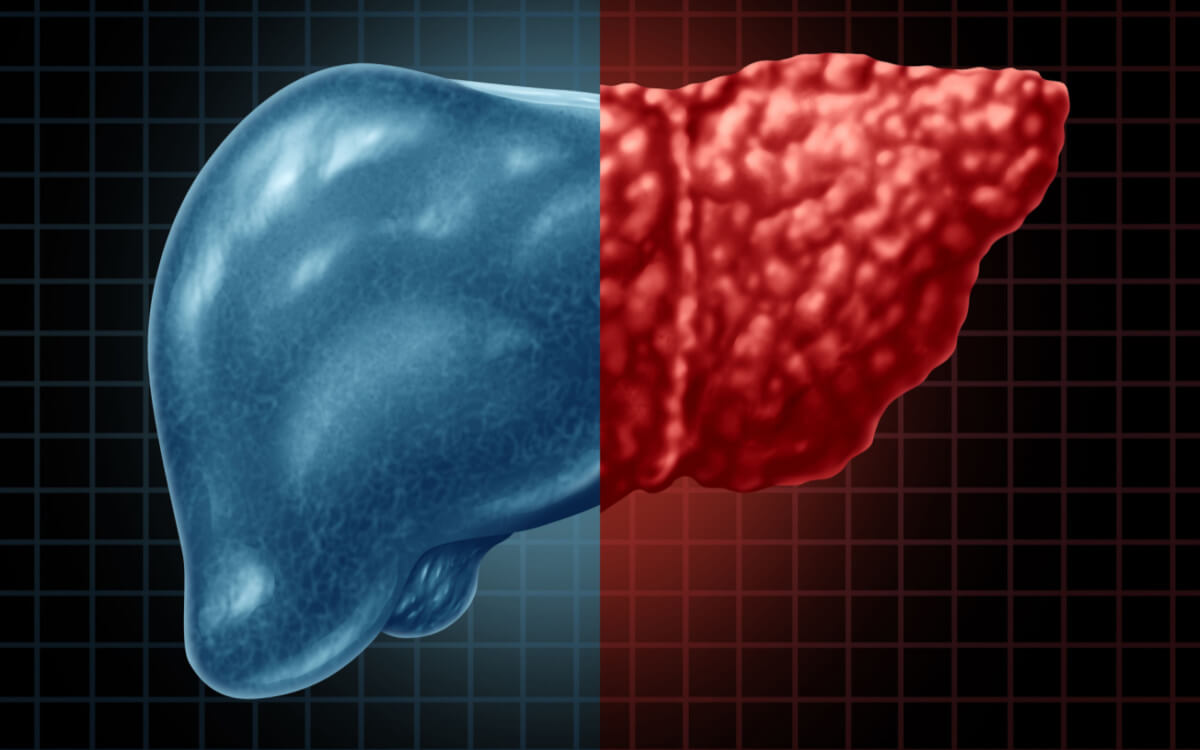
Fatty liver disease is a prevalent health concern in people, especially those who are obese or old. As the name suggests, it refers to the fat build-up across the liver that can damage the organ and lead to severe complications.
Risk factors for this disease include obesity, a high-fat diet, high alcohol intake, and diabetes mellitus. In most cases, people with fatty liver disease are encouraged to modify their diets, exercise regularly, and lose weight.
Often liver conditions are related to heavy drinking, but this is a non-alcoholic liver disease, and consumption of alcohol or drugs has no relation to it.
In this article, we will explain how to reduce the risk of fatty liver disease, so you can live healthily!
Significance Of A Healthy Liver
The liver is one of the most vital organs of the human body. It makes sure that all the toxins and chemicals are removed from the body efficiently. In addition, the bile that it produces helps to break down all of the fats from the food consumed by a person.
Alongside this, it regulates blood sugar and keeps the immune system sturdy enough to defeat all diseases. Hence, optimal liver functioning is mandatory for the human body to work efficiently. To keep it working optimally, you need to understand what is NASH.
What Are The Risks Leading To A Healthy Liver?
A healthy liver may get exposed to various issues, which may lead to fatty liver disease. These are called risk factors. Some of the major risk factors in this regard are as follows:
1. Obesity
This is undoubtedly the most prominent reason behind the occurrence of this disease. Being overweight automatically makes one prone to having a liver that is accumulated with fats. Excessive consumption of junk food, inadequate eating timings, and overeating leads to obesity.
2. Unhealthy Lifestyle
An unhealthy lifestyle is also one primary reason behind the development of this liver disease. Being sedentary alongside an unhealthy diet contributes to this. With time, the liver may stop working optimally, which would affect the entire body.
Reducing The Risk Of Fatty Liver Disease
It’s possible to reduce the risk of fatty liver disease. However, for that, you would need to modify your lifestyle altogether and bring it back on the right track.
Some simple acts that you need to perform right now are as follows:
1. Switch To A Healthier Diet
A diet that is filled with nutrients is something that you need to adopt. A plate full of greens and reds, and yellows is the perfect plate to have for your lunch or dinner. In addition, making sure that every meal you have comes with as many fruits and vegetables as possible would make your body healthier.
Getting rid of ‘white foods’ is also a good idea when you decide to switch to a healthy diet. This means that you need to limit pasta, white bread, sugar, and rice from your diet and switch to healthier alternatives.
Adding greens to your food, furthermore, helps in reducing the chances of fatty liver. For instance, add spinach to your daily diet, and it will ensure that fat doesn’t accumulate around or inside the liver. This is why leafy greens are so efficient in fighting off fatty liver disease.
2. Remove Excessive Salt And Spices From Your Food
Another change that you need to bring into your life is removing the excessive salt and spices from you. All those food items that are filled with refined carbohydrates shouldn’t make it to your meals. Staying away from processed food items is what makes it possible for your body to remove the risks of liver disease.
3. Stop Being A Couch Potato
No matter how much you love lying down on your bed or staying on the couch and relaxing, you surely need to change this habit of yours. Why? It will turn you into a couch potato, making it tougher to adopt a healthy lifestyle.
Being active will help you get rid of a lot of health issues. For example, if you work out every day, you will soon see your body changing for good. Your organs would start working efficiently, offering you a healthier body overall.
4. Enhance The Intake Of Water
Drinking water helps flush out all the toxins and chemicals from your body. In addition, consuming enough water lets your liver keep enough reserves. This way, it doesn’t get dehydrated, which would enhance the risk of sickness or disease.
5. Avoid The Damaging Food Options
Certain food items are quite damaging to the liver. For instance, lean white meat in poultry has the tendency to affect the liver adversely. Alongside this, cheese is filled with fat, which is bad for the body. Red meat, fried food items, and excessively sugary items should be avoided to keep cholesterol checked.
6. Take Care of Your Diet
It is possible to reduce the risks of fatty liver diseases by bringing some changes in your diet. Reversing this disease is quite possible simply by making mindful life decisions.
7. Incorporate Beneficial Supplements
Incorporating the right supplements, alongside a healthy lifestyle, can be a pivotal step in managing fatty liver disease and promoting liver health. Among the myriad of supplements available, Livpure has emerged as a noteworthy option, designed specifically to enhance liver function and overall health.
Read Also
- Full-Arch Dental Tourism: Why UK Patients With Severe Bone Loss Are Looking Abroad
 Dental implants have become one of the fastest-growing segments of private dentistry. Within that market, one patient group behaves very differently from the rest: people who have been told they do not have enough upper jawbone for conventional implants. For these patients, the choice is rarely between one clinic and another. It is between a… Read more: Full-Arch Dental Tourism: Why UK Patients With Severe Bone Loss Are Looking Abroad
 - Levels of Mental Health Care and When to Seek SupportMental health care can range from occasional outpatient appointments to 24-hour hospital treatment. The appropriate level depends on safety, symptom severity, daily functioning, medical needs, available support, treatment history and personal preferences. A licensed clinician should assess these factors rather than relying on a symptom list alone. Need help now? In the United States, call… Read more: Levels of Mental Health Care and When to Seek Support
- How to Choose a Shilajit Brand Based on the ResearchIn a randomized trial published in the Journal of the International Society of Sports Nutrition in 2019, 63 active men took 250 mg of standardized shilajit, 500 mg, or a placebo every day for eight weeks, and the benefit for strength retention after a fatiguing workout appeared only at 500 mg. For anyone choosing a… Read more: How to Choose a Shilajit Brand Based on the Research
- How to Incorporate Relaxation into Your Busy ScheduleFinding balance when you have a packed daily agenda often feels out of reach. Between work duties, family obligations, and personal projects, personal rest usually gets pushed to the bottom of the list. Small, intentional shifts in daily habits can help restore calm without requiring hours of extra free time. Continue reading to discover everything… Read more: How to Incorporate Relaxation into Your Busy Schedule
- Red Light Therapy for Skin and Wellness: Meet Vital Red Light TherapyModern wellness is not always about complicated treatments or long routines. Many people are now looking for simple, convenient ways to support their skin, recovery, and overall wellness at home. One technology getting more attention is red light therapy. Red light therapy uses specific wavelengths of red and near-infrared light to support the body’s natural… Read more: Red Light Therapy for Skin and Wellness: Meet Vital Red Light Therapy





