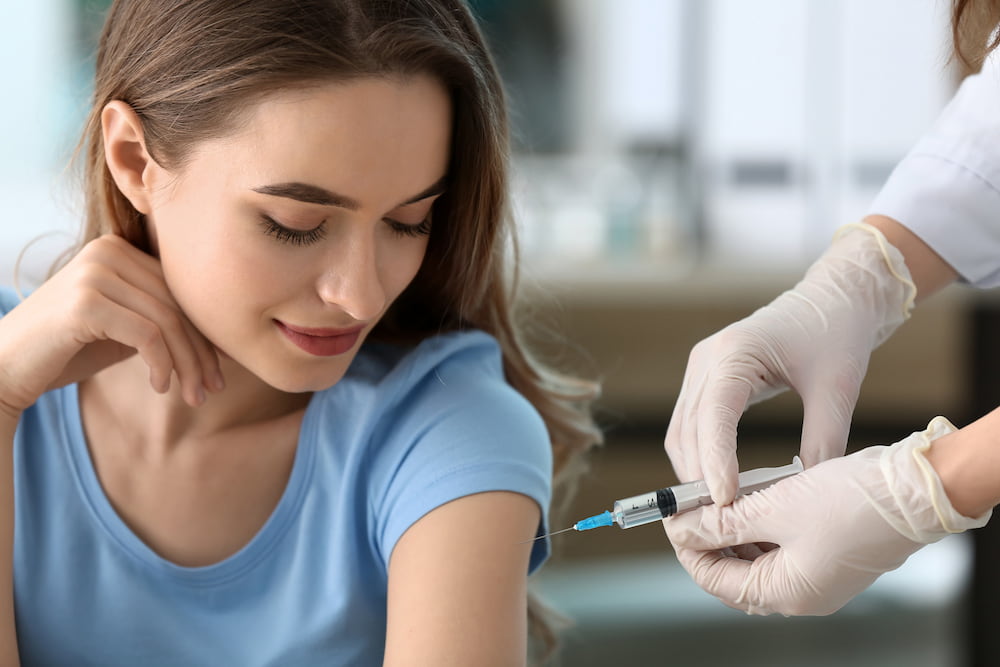
When you get a flu shot, you may experience some mild discomfort. However, following the safety instructions will lessen any discomfort.
What to avoid after flu shot depends on the vaccine. Typical seasonal flu shots don’t require any special precautions. However, this isn’t the case for other shots.
Read more about what to avoid after getting a flu shot by continuing to the sections below.
Strenuous Physical Activity
After a flu shot, it is best to avoid any strenuous physical activities following a flu shot. Any activities that require heavy physical exertion can strain the body. This potentially makes the body more prone to illness and side effects from the vaccine itself.
Additionally, vigorous physical activity may cause the body to become overheated and can cause exhaustion which could further reduce the effectiveness of the flu shot. Therefore, it is important to refrain from strenuous physical activity for up to 24 hours after receiving a flu shot to make sure that the body can relax and efficiently absorb the vaccine.
Touching or Rubbing the Injection Site
Touching or rubbing the injection site after a flu shot should be avoided for several reasons. Firstly, it can disrupt the body’s natural healing process by causing further irritation and infection, making it more vulnerable to bacteria and viruses. It can also disrupt the effects of the vaccine by introducing bacteria or viruses to the injection site.
In some cases, it could even lead to further spread of the virus the vaccine was meant to protect against. Furthermore, rubbing the injection site can cause further pain and discomfort around the area and can even cause the area to become red and swollen. Therefore, to ensure the safety and effectiveness of the flu vaccine, it is best to keep hands away from the shot area and instead allow the body to heal naturally for the greatest results.
Drinking Alcohol
Alcohol weakens your body’s immunity due to its toxic effects on your liver. Since your body is in a weakened state due to recent immunization, drinking alcohol can further weaken it. Alcohol can make you more prone to contract the flu virus or other infectious diseases.
Additionally, alcohol may increase the risk of long-term effects of the flu vaccination, such as soreness or inflammation at the injection site, as well as fatigue or fever. To ensure the best results of the flu shot are achieved, it is wise to avoid drinking alcohol for at least 24 hours following immunization.
Skipping Hydration
A good rule of thumb is to drink 8 or more glasses of water throughout the day. Skipping hydration can lead to intense side effects, such as:
- fever
- body aches
- vomiting
- anaphylaxis
If hydration is skipped, the body won’t have enough fluids to properly process the vaccine, leading to even further complications. If you feel some discomfort, visit your local onsite health services or contact your doctor for treatment. While some discomfort after the flu shot is normal, severe pain or any flu-like symptoms should be treated right away.
Know What to Avoid After Flu Shot
To avoid any unwanted side effects, it’s best to take a few preventative measures after receiving a flu shot. Be mindful of the type of activities you engage in, make sure you get ample rest, and drink plenty of fluids.
Taking these extra steps by being aware of what to avoid after flu shot can help you get the most out of your vaccination. As always, consult your doctor if you have any lingering concerns.
Visit our blog for more helpful articles.
Read Also
- Top Trends Shaping the Future of Mental Health Care
 Mental health care is moving fast to meet daily human needs. People want direct care that fits modern life. Clinics respond by creating flexible options that make healing easier to reach. Providers look past rigid habits to give people solid care. From smart tools to body wellness, these changes help people find relief when life… Read more: Top Trends Shaping the Future of Mental Health Care
 - Full-Arch Dental Tourism: Why UK Patients With Severe Bone Loss Are Looking AbroadDental implants have become one of the fastest-growing segments of private dentistry. Within that market, one patient group behaves very differently from the rest: people who have been told they do not have enough upper jawbone for conventional implants. For these patients, the choice is rarely between one clinic and another. It is between a… Read more: Full-Arch Dental Tourism: Why UK Patients With Severe Bone Loss Are Looking Abroad
- Levels of Mental Health Care and When to Seek SupportMental health care can range from occasional outpatient appointments to 24-hour hospital treatment. The appropriate level depends on safety, symptom severity, daily functioning, medical needs, available support, treatment history and personal preferences. A licensed clinician should assess these factors rather than relying on a symptom list alone. Need help now? In the United States, call… Read more: Levels of Mental Health Care and When to Seek Support
- How to Choose a Shilajit Brand Based on the ResearchIn a randomized trial published in the Journal of the International Society of Sports Nutrition in 2019, 63 active men took 250 mg of standardized shilajit, 500 mg, or a placebo every day for eight weeks, and the benefit for strength retention after a fatiguing workout appeared only at 500 mg. For anyone choosing a… Read more: How to Choose a Shilajit Brand Based on the Research
- How to Incorporate Relaxation into Your Busy ScheduleFinding balance when you have a packed daily agenda often feels out of reach. Between work duties, family obligations, and personal projects, personal rest usually gets pushed to the bottom of the list. Small, intentional shifts in daily habits can help restore calm without requiring hours of extra free time. Continue reading to discover everything… Read more: How to Incorporate Relaxation into Your Busy Schedule
- Red Light Therapy for Skin and Wellness: Meet Vital Red Light TherapyModern wellness is not always about complicated treatments or long routines. Many people are now looking for simple, convenient ways to support their skin, recovery, and overall wellness at home. One technology getting more attention is red light therapy. Red light therapy uses specific wavelengths of red and near-infrared light to support the body’s natural… Read more: Red Light Therapy for Skin and Wellness: Meet Vital Red Light Therapy