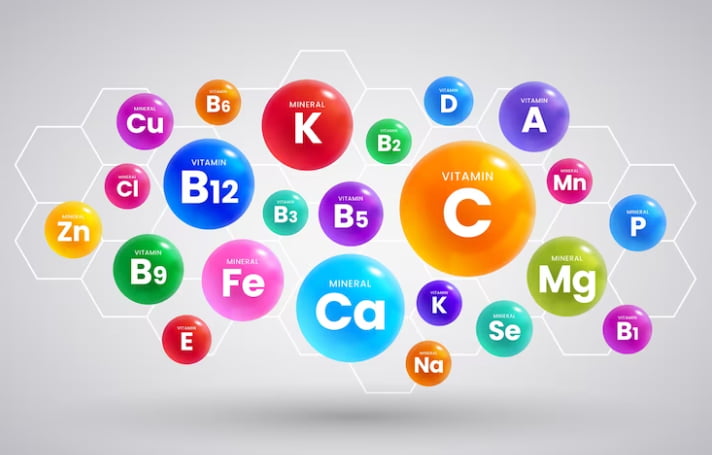
It’s no secret that vitamins are essential for maintaining a healthy lifestyle. Studies have shown numerous benefits to taking multivitamins, ranging from improved mental focus and energy levels to better skin and hair.
This article has explored the top seven medically proven health benefits of taking multivitamins every day.
Boosting Your Energy Levels
Multivitamins contain essential vitamins and minerals that your body needs to function optimally. When you don’t get enough of these nutrients, your energy levels can drop significantly. Taking a multivitamin can help replenish those nutrients, resulting in a much-needed energy boost.
Vitamins B6, B12, and C are particularly important for energy production, so look for a multivitamin product that contains them. Additionally, some studies have suggested that taking multivitamins may also help you feel more alert and improve mental clarity. So, if you’re feeling fatigued throughout the day, consider taking a multivitamin to help you power through.
Reducing Inflammation
Inflammation is a major cause of chronic illness, and multivitamins can help reduce it. Studies have shown that taking a daily multivitamin, such as liposomal vitamin C, can promote a healthy immune system, ultimately reducing the risk of inflammation in the body. Taking a daily multivitamin can also increase your antioxidant levels, which can help further reduce inflammation. Additionally, some studies have found that taking a multivitamin may also help reduce blood pressure, which is another factor related to inflammation. All of these factors can help reduce inflammation, which can, in turn, reduce the risk of chronic illnesses.
Enhancing Your Mood
Research has shown that certain vitamins and minerals, such as B vitamins, are essential for maintaining healthy levels of serotonin, a neurotransmitter responsible for regulating mood and emotions. Additionally, many studies have demonstrated that taking a daily multivitamin can help reduce symptoms of depression and anxiety.
While taking multivitamins alone won’t necessarily cure depression or anxiety, it can be part of an overall plan to improve your mental health. Furthermore, sufficient levels of vitamins and minerals can increase your overall sense of wellbeing, making you feel better.
Improving Memory and Concentration
Taking a combination of vitamins B12, B6, and folic acid can help improve memory recall and reaction time in adults. Additionally, the antioxidants found in vitamins C and E are thought to play a role in maintaining cognitive function.
A study found that taking a multivitamin supplement was associated with improved memory recall in older adults. It’s important to note, however, that these studies were not designed to prove that multivitamins were responsible for improved mental performance; rather, they simply showed an association. It is possible that other lifestyle factors also played a role.
Keeping Your Heart Healthy
Multivitamin supplements provide all the essential nutrients, such as vitamins A, C, and E, as well as minerals like magnesium, calcium, and selenium. These nutrients are important for keeping your heart functioning properly and reducing your risk of heart disease.
Vitamins A, C, and E, in particular, have been shown to reduce inflammation and oxidative stress in the body. Magnesium can help to lower blood pressure, while calcium helps to prevent the hardening of the arteries. Selenium helps to regulate cholesterol levels, which can help reduce the risk of coronary artery disease.
Preventing Birth Defects
Multivitamins contain essential vitamins and minerals, such as folic acid, which is critical for healthy fetal development. Studies have shown that taking a daily multivitamin before and during pregnancy can reduce the risk of neural tube defects by as much as 70%. Additionally, research indicates that taking a multivitamin can reduce the chances of having a low-birth-weight baby.
It is important to note that taking a multivitamin is not a substitute for eating a nutritious and balanced diet, especially during pregnancy. However, if you’re unable to get all of the necessary vitamins and minerals from food alone, a daily multivitamin can be an excellent way to ensure that your body is getting all of the nutrients it needs.
Supporting Eye Health
Certain vitamins and minerals are essential for maintaining good eye health. For example, Vitamin A, lutein, zeaxanthin, and zinc have all been linked to improved vision. Vitamin A is necessary for night vision and helps protect against macular degeneration, a leading cause of blindness.
Lutein and zeaxanthin are carotenoids found in the macula, the area of the retina responsible for detailed central vision, and protect against age-related macular degeneration. Zinc, on the other hand, also promotes eye health. A multivitamin supplement containing these vitamins and minerals can support and maintain good eye health.
However, it is always advised to consult your doctor or healthcare provider before starting any new supplements or vitamins.
Read Also
- Managing Shock Loss After a Hair Transplant: The Financial and Clinical Imperative of Post-Op Care
 In the rapidly evolving landscape of private healthcare, executive leadership within cosmetic and restorative surgery clinics faces a dual challenge: maintaining strict clinical standards while maximizing patient lifetime value (LTV) and brand advocacy. As the global medical tourism and elective procedure markets expand, clinical outcome quality alone is no longer the sole differentiator for premium… Read more: Managing Shock Loss After a Hair Transplant: The Financial and Clinical Imperative of Post-Op Care
 - Transform Your Skin Health: Premier Gluta IV Therapy in DubaiThis comprehensive guide explores how modern intravenous wellness treatments can help revitalize your complexion, boost immune function, and support overall cellular health. By incorporating modern IV therapy Dubai services into a routine health regimen, individuals can achieve direct nutrient absorption for optimal results. Selecting a customized gluta IV drip Dubai treatment provides targeted antioxidant defense,… Read more: Transform Your Skin Health: Premier Gluta IV Therapy in Dubai
- The Evolution of Dental Prosthetics: Innovation in Oral HealthDental replacements have improved a lot over time. Smiling, chewing, and speaking depend on having healthy teeth. When teeth break or go missing, today’s options can restore both function and confidence. Modern techniques make these replacements feel and look completely natural. Ancient Roots Of Tooth Replacement People have tried to replace lost teeth for thousands… Read more: The Evolution of Dental Prosthetics: Innovation in Oral Health
- How to Support a Loved One with Mental Health IssuesWatching someone you care about struggle with their mental health is difficult: you might feel helpless, confused, or even frustrated. You cannot cure a mental health condition with a simple conversation or a hug, no matter how much you wish you could. Your support can be the difference between them feeling isolated and feeling understood.… Read more: How to Support a Loved One with Mental Health Issues
- Understanding Endometriosis: Causes, Symptoms, and Treatment OptionsMillions of people around the world deal with pelvic health problems. Many spend years looking for answers about ongoing pain or fertility issues. Understanding your health can help you speak up and get better care. Managing pelvic pain starts with knowing the causes and treatment options. Learning about symptoms also helps you decide when to… Read more: Understanding Endometriosis: Causes, Symptoms, and Treatment Options
- Choosing the Right Treadmill for Your Body and Fitness GoalsFinding a quality home treadmill means looking closely at your height, weight, and training routine. Standard gym equipment rarely offers a one-size-fits-all experience for every unique body shape. Shopping with specific physical dimensions in mind helps you pick a machine that supports long-term health. Selecting the right unit requires balancing horsepower, frame dimensions, and deck… Read more: Choosing the Right Treadmill for Your Body and Fitness Goals