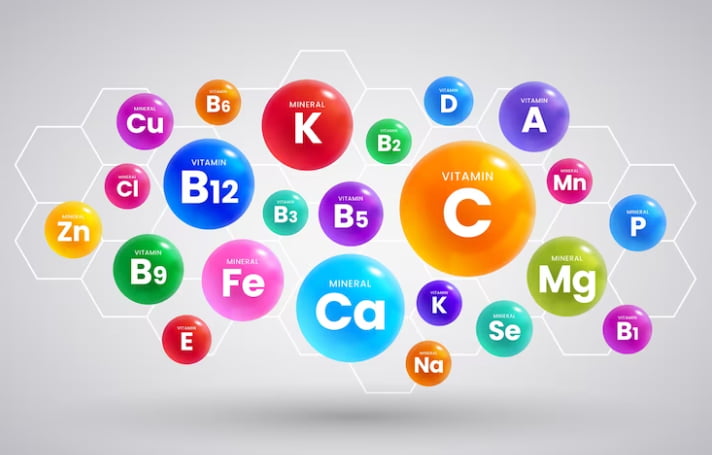
It’s no secret that vitamins are essential for maintaining a healthy lifestyle. Studies have shown numerous benefits to taking multivitamins, ranging from improved mental focus and energy levels to better skin and hair.
This article has explored the top seven medically proven health benefits of taking multivitamins every day.
Boosting Your Energy Levels
Multivitamins contain essential vitamins and minerals that your body needs to function optimally. When you don’t get enough of these nutrients, your energy levels can drop significantly. Taking a multivitamin can help replenish those nutrients, resulting in a much-needed energy boost.
Vitamins B6, B12, and C are particularly important for energy production, so look for a multivitamin product that contains them. Additionally, some studies have suggested that taking multivitamins may also help you feel more alert and improve mental clarity. So, if you’re feeling fatigued throughout the day, consider taking a multivitamin to help you power through.
Reducing Inflammation
Inflammation is a major cause of chronic illness, and multivitamins can help reduce it. Studies have shown that taking a daily multivitamin, such as liposomal vitamin C, can promote a healthy immune system, ultimately reducing the risk of inflammation in the body. Taking a daily multivitamin can also increase your antioxidant levels, which can help further reduce inflammation. Additionally, some studies have found that taking a multivitamin may also help reduce blood pressure, which is another factor related to inflammation. All of these factors can help reduce inflammation, which can, in turn, reduce the risk of chronic illnesses.
Enhancing Your Mood
Research has shown that certain vitamins and minerals, such as B vitamins, are essential for maintaining healthy levels of serotonin, a neurotransmitter responsible for regulating mood and emotions. Additionally, many studies have demonstrated that taking a daily multivitamin can help reduce symptoms of depression and anxiety.
While taking multivitamins alone won’t necessarily cure depression or anxiety, it can be part of an overall plan to improve your mental health. Furthermore, sufficient levels of vitamins and minerals can increase your overall sense of wellbeing, making you feel better.
Improving Memory and Concentration
Taking a combination of vitamins B12, B6, and folic acid can help improve memory recall and reaction time in adults. Additionally, the antioxidants found in vitamins C and E are thought to play a role in maintaining cognitive function.
A study found that taking a multivitamin supplement was associated with improved memory recall in older adults. It’s important to note, however, that these studies were not designed to prove that multivitamins were responsible for improved mental performance; rather, they simply showed an association. It is possible that other lifestyle factors also played a role.
Keeping Your Heart Healthy
Multivitamin supplements provide all the essential nutrients, such as vitamins A, C, and E, as well as minerals like magnesium, calcium, and selenium. These nutrients are important for keeping your heart functioning properly and reducing your risk of heart disease.
Vitamins A, C, and E, in particular, have been shown to reduce inflammation and oxidative stress in the body. Magnesium can help to lower blood pressure, while calcium helps to prevent the hardening of the arteries. Selenium helps to regulate cholesterol levels, which can help reduce the risk of coronary artery disease.
Preventing Birth Defects
Multivitamins contain essential vitamins and minerals, such as folic acid, which is critical for healthy fetal development. Studies have shown that taking a daily multivitamin before and during pregnancy can reduce the risk of neural tube defects by as much as 70%. Additionally, research indicates that taking a multivitamin can reduce the chances of having a low-birth-weight baby.
It is important to note that taking a multivitamin is not a substitute for eating a nutritious and balanced diet, especially during pregnancy. However, if you’re unable to get all of the necessary vitamins and minerals from food alone, a daily multivitamin can be an excellent way to ensure that your body is getting all of the nutrients it needs.
Supporting Eye Health
Certain vitamins and minerals are essential for maintaining good eye health. For example, Vitamin A, lutein, zeaxanthin, and zinc have all been linked to improved vision. Vitamin A is necessary for night vision and helps protect against macular degeneration, a leading cause of blindness.
Lutein and zeaxanthin are carotenoids found in the macula, the area of the retina responsible for detailed central vision, and protect against age-related macular degeneration. Zinc, on the other hand, also promotes eye health. A multivitamin supplement containing these vitamins and minerals can support and maintain good eye health.
However, it is always advised to consult your doctor or healthcare provider before starting any new supplements or vitamins.
Read Also
- Where to Find Reliable Mental Health Support for Teens
 Have you noticed changes in your teen’s mood, sleep, or behavior that leave you worried? Growing up can bring stress from school, friends, family, and new demands. Some teens may struggle to share their feelings or ask for help, even when they need support. Finding the right mental health support for teens can help them… Read more: Where to Find Reliable Mental Health Support for Teens
 - Top Trends Shaping the Future of Mental Health CareMental health care is moving fast to meet daily human needs. People want direct care that fits modern life. Clinics respond by creating flexible options that make healing easier to reach. Providers look past rigid habits to give people solid care. From smart tools to body wellness, these changes help people find relief when life… Read more: Top Trends Shaping the Future of Mental Health Care
- Full-Arch Dental Tourism: Why UK Patients With Severe Bone Loss Are Looking AbroadDental implants have become one of the fastest-growing segments of private dentistry. Within that market, one patient group behaves very differently from the rest: people who have been told they do not have enough upper jawbone for conventional implants. For these patients, the choice is rarely between one clinic and another. It is between a… Read more: Full-Arch Dental Tourism: Why UK Patients With Severe Bone Loss Are Looking Abroad
- Levels of Mental Health Care and When to Seek SupportMental health care can range from occasional outpatient appointments to 24-hour hospital treatment. The appropriate level depends on safety, symptom severity, daily functioning, medical needs, available support, treatment history and personal preferences. A licensed clinician should assess these factors rather than relying on a symptom list alone. Need help now? In the United States, call… Read more: Levels of Mental Health Care and When to Seek Support
- How to Choose a Shilajit Brand Based on the ResearchIn a randomized trial published in the Journal of the International Society of Sports Nutrition in 2019, 63 active men took 250 mg of standardized shilajit, 500 mg, or a placebo every day for eight weeks, and the benefit for strength retention after a fatiguing workout appeared only at 500 mg. For anyone choosing a… Read more: How to Choose a Shilajit Brand Based on the Research
- How to Incorporate Relaxation into Your Busy ScheduleFinding balance when you have a packed daily agenda often feels out of reach. Between work duties, family obligations, and personal projects, personal rest usually gets pushed to the bottom of the list. Small, intentional shifts in daily habits can help restore calm without requiring hours of extra free time. Continue reading to discover everything… Read more: How to Incorporate Relaxation into Your Busy Schedule