Hey there! So, you’ve heard all the buzz about matcha – that vibrant green powder that’s not just pretty but packed with good stuff? It can seem a little fancy and intimidating at first, but trust me, making a delicious cup at home is simpler than you think. Forget complicated ceremonies for now; let’s just brew a great cuppa!
Step 1: Pick Your Perfect Matcha Powder
- Ceremonial Grade: Think of this as the “special occasion” matcha. It’s the top-shelf stuff, super smooth and delicate with a lovely sweetness. Perfect for sipping straight up. You’ll recognize it by its bright, happy green color.
- Culinary Grade: This is your “kitchen adventures” matcha. It’s bolder in flavor and fantastic for blending into lattes, smoothies, or baking. It’s usually a bit less expensive too.
- Pro Tip: Look for that bright green color! Dull or yellowish powder is probably old or not great quality. Finely ground powder dissolves way better, giving you that silky smooth texture.
Step 2: Gather Your Gear (No Fancy Kit Needed!)
Don’t stress if you don’t have traditional tools. Here’s what you really need:
- Matcha Powder: Obviously!
- A Small Bowl: A wide cereal bowl or small mixing bowl works perfectly. You just need room to whisk comfortably.
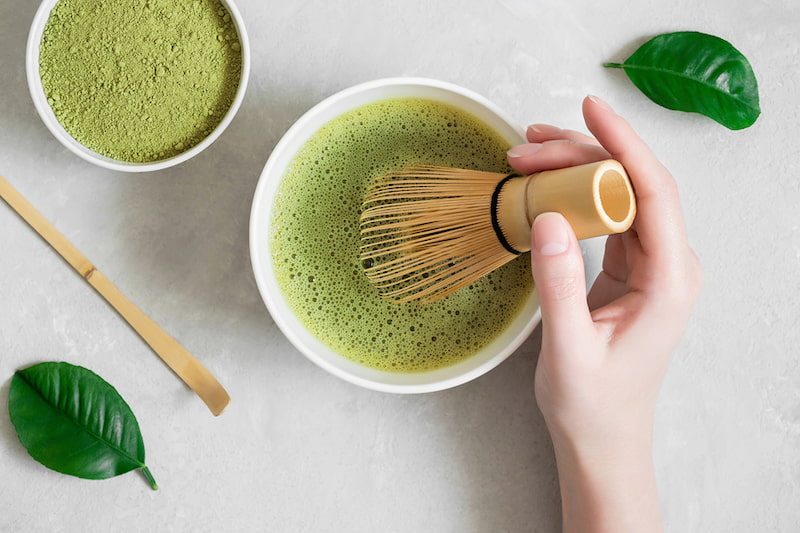
- A Whisk: The traditional bamboo one (called a chasen) is awesome and creates amazing froth. But honestly? A small regular kitchen whisk, a milk frother, or even a small fork will do the job! Don’t let the lack of a bamboo whisk stop you.
- A Sifter (Highly Recommended): Clumpy matcha is sad matcha. A tiny fine-mesh strainer helps avoid lumps for a smooth drink.
- Something to Scoop: A 1/4 teaspoon, a regular teaspoon (use roughly half), or even the end of a butter knife works. Aim for about 1-2 teaspoons per cup.
- Hot Water: Crucial! Boiling water makes matcha taste bitter and harsh. Let your kettle sit for a minute or two after boiling, or aim for about 175°F (80°C). Filtered water tastes best.
Step 3: Let’s Make Some Magic! (The Brewing Steps)
- Sift it: Put 1-2 teaspoons of matcha powder into your sifter over the bowl. Give it a gentle tap to break up any clumps. This step makes a huge difference!
- Add Water: Pour in about 2 ounces (1/4 cup / 60ml) of your hot (not boiling!) water.
- Whisk it Up! Grab your whisk. The key is a quick, zig-zag “W” or “M” motion right at the surface. Start gently to mix the powder, then whisk more vigorously until you get a nice layer of frothy bubbles on top (this is where the bamboo whisk shines, but any whisk works!). Aim for about 15-30 seconds. You want it smooth and foamy.
- Enjoy! That’s it! Sip it straight from the bowl for the authentic feel, or pour it into your favorite mug. Traditionally, it’s enjoyed without sweeteners to appreciate its unique grassy-sweet flavor, but hey, it’s your matcha!
Bonus Tips to Level Up Your Matcha Game
- Too Strong? Turn it into a latte! Heat and froth some milk (dairy or plant-based) and pour it over your whisked matcha. Creamy deliciousness!
- Want it Sweeter? A little honey, maple syrup, agave, or even a pinch of sugar balances the natural bitterness beautifully. Add it after whisking.
- Feeling Fancy? A drop of vanilla extract or a sprinkle of cinnamon can add a fun twist.
- Start Simple: If you’re new, begin with ceremonial grade. It’s smoother and less likely to be bitter.
- Mindful Moment: Matcha has a calming energy (thanks to L-theanine!). Savor it slowly as a peaceful morning ritual or an afternoon pick-me-up without the jitters.
- Go Easy: Matcha packs a punch! One serving a day is plenty, especially when you’re starting out.
- Experiment! Try different grades, brands, water temperatures, and whisking times. Find your perfect cup.
See? Brewing matcha is totally doable and kind of fun! Don’t worry about perfection on the first try. Just grab some powder, give it a whisk, and enjoy your vibrant green cup of goodness. Happy brewing!
Did you find this helpful? Check out our other helpful articles on our website.
Read Also
- Full-Arch Dental Tourism: Why UK Patients With Severe Bone Loss Are Looking Abroad
 Dental implants have become one of the fastest-growing segments of private dentistry. Within that market, one patient group behaves very differently from the rest: people who have been told they do not have enough upper jawbone for conventional implants. For these patients, the choice is rarely between one clinic and another. It is between a… Read more: Full-Arch Dental Tourism: Why UK Patients With Severe Bone Loss Are Looking Abroad
 - Levels of Mental Health Care and When to Seek SupportMental health care can range from occasional outpatient appointments to 24-hour hospital treatment. The appropriate level depends on safety, symptom severity, daily functioning, medical needs, available support, treatment history and personal preferences. A licensed clinician should assess these factors rather than relying on a symptom list alone. Need help now? In the United States, call… Read more: Levels of Mental Health Care and When to Seek Support
- How to Choose a Shilajit Brand Based on the ResearchIn a randomized trial published in the Journal of the International Society of Sports Nutrition in 2019, 63 active men took 250 mg of standardized shilajit, 500 mg, or a placebo every day for eight weeks, and the benefit for strength retention after a fatiguing workout appeared only at 500 mg. For anyone choosing a… Read more: How to Choose a Shilajit Brand Based on the Research
- How to Incorporate Relaxation into Your Busy ScheduleFinding balance when you have a packed daily agenda often feels out of reach. Between work duties, family obligations, and personal projects, personal rest usually gets pushed to the bottom of the list. Small, intentional shifts in daily habits can help restore calm without requiring hours of extra free time. Continue reading to discover everything… Read more: How to Incorporate Relaxation into Your Busy Schedule
- Red Light Therapy for Skin and Wellness: Meet Vital Red Light TherapyModern wellness is not always about complicated treatments or long routines. Many people are now looking for simple, convenient ways to support their skin, recovery, and overall wellness at home. One technology getting more attention is red light therapy. Red light therapy uses specific wavelengths of red and near-infrared light to support the body’s natural… Read more: Red Light Therapy for Skin and Wellness: Meet Vital Red Light Therapy
- Managing Shock Loss After a Hair Transplant: The Financial and Clinical Imperative of Post-Op CareIn the rapidly evolving landscape of private healthcare, executive leadership within cosmetic and restorative surgery clinics faces a dual challenge: maintaining strict clinical standards while maximizing patient lifetime value (LTV) and brand advocacy. As the global medical tourism and elective procedure markets expand, clinical outcome quality alone is no longer the sole differentiator for premium… Read more: Managing Shock Loss After a Hair Transplant: The Financial and Clinical Imperative of Post-Op Care
- Transform Your Skin Health: Premier Gluta IV Therapy in DubaiThis comprehensive guide explores how modern intravenous wellness treatments can help revitalize your complexion, boost immune function, and support overall cellular health. By incorporating modern IV therapy Dubai services into a routine health regimen, individuals can achieve direct nutrient absorption for optimal results. Selecting a customized gluta IV drip Dubai treatment provides targeted antioxidant defense,… Read more: Transform Your Skin Health: Premier Gluta IV Therapy in Dubai
- The Evolution of Dental Prosthetics: Innovation in Oral HealthDental replacements have improved a lot over time. Smiling, chewing, and speaking depend on having healthy teeth. When teeth break or go missing, today’s options can restore both function and confidence. Modern techniques make these replacements feel and look completely natural. Ancient Roots Of Tooth Replacement People have tried to replace lost teeth for thousands… Read more: The Evolution of Dental Prosthetics: Innovation in Oral Health