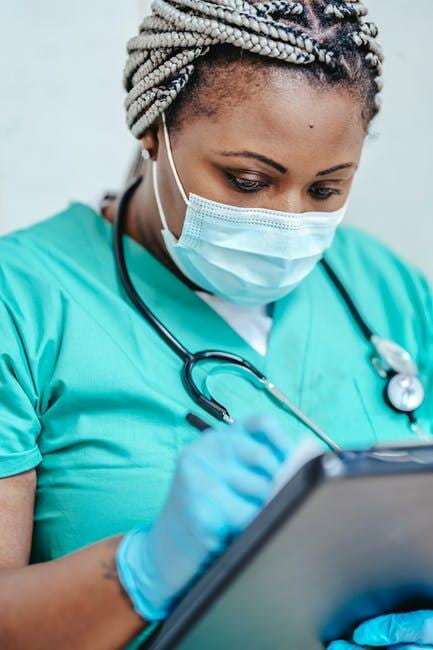
How can healthcare providers improve patient care using simple tools that people already use every day?
Mobile technology is changing how care is delivered in clinics and hospitals. It helps doctors, nurses, and patients stay connected at all times. It also makes it easier to track health and share information quickly.
If you want to improve patient outcomes and workflow, now is the time to explore mobile solutions and take action.
Improving Communication Between Staff
Clear communication is very important in healthcare settings. Mobile devices help staff send messages quickly and safely. Doctors can update nurses about patient needs without delay. This reduces errors and improves teamwork. It also helps staff respond faster during emergencies. Mobile alerts can notify teams about urgent cases instantly.
Staff can also share images and reports in real time. This ensures that everyone has the same information. Better communication leads to better coordination. It also builds a stronger healthcare team. Quick messaging reduces waiting time for decisions. It also improves patient safety in critical moments. Instant updates help avoid confusion among staff. This creates a smoother workflow in busy environments.
Enhancing Patient Engagement
Patients feel more involved when they can access their health data. Mobile apps allow them to check results and track progress. This makes them more aware of their condition. It also encourages them to follow treatment plans. Engaged patients often recover faster and feel more confident. They can also set reminders for appointments and medications.
Mobile tools can provide health tips and daily guidance. Patients can communicate with doctors through secure messaging. This reduces anxiety and builds trust. It also improves overall satisfaction. Patients can track their goals and progress easily. This creates a sense of control over their health. Mobile apps can also send motivational reminders. This helps patients stay consistent with their care plan.
Access to Real-Time Data
Healthcare providers need updated information at all times. Mobile technology allows access to patient records in real time. This helps doctors make better decisions quickly. It also reduces the risk of outdated information. Real-time access leads to safer and more effective care. Doctors can review lab results immediately.
Nurses can update patient charts on the spot. This reduces delays in treatment. It also improves accuracy in documentation. Quick access supports faster diagnosis.
It also allows faster response to sudden changes. Real-time data improves overall care quality. It ensures that decisions are based on the latest information. This leads to more reliable treatment plans.
Streamlining Administrative Tasks
Many healthcare tasks take time and effort. Mobile tools can simplify scheduling, billing, and documentation. Staff can complete tasks faster using handheld devices. This reduces paperwork and saves time. It also allows more focus on patient care. Digital forms can replace paper records. Automated systems can reduce human error.
Staff can track tasks and updates easily. This improves workflow efficiency. It also reduces stress for healthcare workers. Mobile scheduling tools can avoid conflicts. This helps improve daily operations. Faster processes reduce patient waiting times. This improves the overall patient experience.
Supporting Remote Monitoring
Mobile devices make it easier to monitor patients from home. Wearable tools can track vital signs and send updates to doctors. This helps detect problems early. It also reduces the need for hospital visits. Remote monitoring is helpful for chronic conditions. Patients can stay comfortable at home. Doctors can receive alerts if something changes.
This allows early intervention. It also reduces hospital readmissions. Remote care supports long-term health management. Patients feel more independent with remote tools. This also lowers healthcare costs over time. Continuous monitoring provides better health insights. This helps doctors adjust treatments more effectively.
Improving Medication Management
Medication errors can be serious. Mobile apps help track prescriptions and remind patients to take medicine. Nurses can also scan and verify medications before giving them. This reduces mistakes and improves safety. Better management leads to better outcomes. Patients can receive alerts for missed doses. Doctors can review medication history easily.
This helps avoid harmful interactions. Digital tracking improves accuracy. It also supports safer treatment plans. Mobile tools can provide dosage instructions clearly. This helps patients follow their prescriptions correctly. Alerts can also warn about possible side effects. This adds another layer of patient safety.
Using Tablets for Patient Education
Education is key to better health. Tablets can show videos and guides to patients. This helps them understand their condition and treatment. Many hospitals now use ipads for hospitals to provide simple and clear information. Visual learning makes it easier for patients to follow instructions. Patients can watch step-by-step guides.
They can also review information at their own pace. This improves understanding and retention. It also helps families support patient care. Education leads to better health decisions. Interactive tools can answer common questions. This makes learning more engaging and effective. Patients can revisit content whenever needed. This supports better long-term understanding.
Enhancing Data Security
Patient data must always be protected. Mobile systems use secure networks and encryption. This keeps information safe from unauthorized access. Staff can log in using passwords or biometric tools. Strong security builds trust between patients and providers. Regular updates improve system safety. Access controls limit who can view data.
This reduces risks of data breaches. Staff training also supports better security. Safe systems protect both patients and providers. Monitoring systems can detect unusual activity. This helps prevent potential threats. Secure backups protect data from loss. This ensures continuity of care.
Training and Supporting Healthcare Staff
Mobile technology also helps train staff. Online modules and apps provide quick learning tools. Staff can access training anytime and anywhere. This improves their skills and confidence. Well-trained staff can deliver better care. Training apps can include videos and quizzes. Staff can learn at their own pace. Updates can be shared quickly across teams.
This keeps everyone informed about new practices. Continuous learning supports high-quality care. Mobile tools can track staff progress. This ensures consistent training across departments. Feedback systems can guide staff improvement. This builds a stronger and more capable workforce.
Learn All About Mobile Technology
Mobile technology is changing healthcare in many positive ways. It improves communication, access to data, and patient involvement.
It also helps reduce errors and save time. By using the right strategies, healthcare providers can deliver better and safer care for everyone.
Did you enjoy reading this article? If so, then be sure to check out the rest of our blog for more!
Read Also
- Innovative Technologies in Oncology: The Future of Cancer Treatment
 Have you ever wondered how far cancer treatment has come in recent years? Advances in technology are making a real difference in the fight against cancer. Today, more people are living longer and healthier lives after a cancer diagnosis. This is all thanks to new and groundbreaking medical advancements. The future of cancer care looks… Read more: Innovative Technologies in Oncology: The Future of Cancer Treatment
 - Cloud-Based Healthcare Administration Solutions: A Guide for Payers, TPAs, and Provider NetworksHealthcare administration has become too complex for disconnected spreadsheets, aging on-premise applications, and manual handoffs between departments. Organizations need technology that can manage claims, enrollment, billing, provider relationships, and member data as connected parts of the same operation. MCSI – Visova is one example, offering a cloud-native vpaas designed to support HIPAA-compliant healthcare administration. Its… Read more: Cloud-Based Healthcare Administration Solutions: A Guide for Payers, TPAs, and Provider Networks
- How Intelligent Invoice Processing Is Reshaping Healthcare AP WorkflowsWhat happens when healthcare invoice volumes outpace the AP team’s ability to review, validate, and route them, while cost per invoice keeps rising? That gap is pushing finance leaders past basic digitization. Supplier invoices across formats, systems, departments, and approval paths, and holding speed, accuracy, compliance, and visibility together gets harder at scale. Intelligent invoice… Read more: How Intelligent Invoice Processing Is Reshaping Healthcare AP Workflows
- From 1905 to 2026: How German Legacy Manufacturers Power Deutsche Dental Technologien’s SuccessFrom 1905 to 2026: How Busch & Co.’s Legacy Powers Deutsche Dental Technologien’s Success In an era where dental technology advances at breakneck speed, few companies embody the perfect blend of historic craftsmanship and modern business agility quite like Busch & Co. and its strategic partner Deutsche Dental Technologien. What began as a small dental bur factory in… Read more: From 1905 to 2026: How German Legacy Manufacturers Power Deutsche Dental Technologien’s Success
- Why the Future of Healthcare Administration is Cloud-NativeThe operational demands placed on modern healthcare administrators have officially outpaced the capabilities of traditional IT infrastructure. While clinical medicine continues to advance at breakneck speed, the back-office systems required to support it often remain painfully stagnant. Today’s insurers, Third-Party Administrators (TPAs), and provider networks are forced to navigate an avalanche of daily claims, aggressive… Read more: Why the Future of Healthcare Administration is Cloud-Native
- The Digital Overhaul: Why Modern Healthcare Administration Demands Advanced Technology SolutionsLet’s be honest about the current state of healthcare administration: it is staggering under its own complexity. The days of managing patient populations, claims, and provider networks with spreadsheets and disjointed legacy systems are long gone. Today, the sheer volume of data processing required just to keep a healthcare organization afloat is enough to paralyze… Read more: The Digital Overhaul: Why Modern Healthcare Administration Demands Advanced Technology Solutions
- Tech-Enabled Healthcare Innovation in Physical Therapy CarePhysical therapy is changing with the help of new technology. Digital tools are now used to support recovery and improve care. These tools help therapists track progress in a better way. Explore how technology is reshaping physical therapy with innovative digital tools. It highlights smarter recovery and patient outcomes in healthcare. Continue reading to discover… Read more: Tech-Enabled Healthcare Innovation in Physical Therapy Care
- 5 Best Payroll Error Detection Software for Healthcare in 2026Healthcare organizations operate some of the most complex payroll environments in any industry. Hospitals, skilled nursing facilities, rehabilitation centers, physician groups, and home healthcare providers must manage thousands of employees working across different shifts, departments, facilities, and compensation structures. Payroll teams are expected to process this information accurately while complying with labor regulations, organizational policies,… Read more: 5 Best Payroll Error Detection Software for Healthcare in 2026