
Medicine moves fast, and new clinical tools appear every month. Patient care rules change fast too. Doctors need fresh knowledge to give their patients the best care.
Continuing medical education gives doctors a clear path to sharpen their skills. It helps them build confidence, fix gaps in their knowledge, and guide their careers. Steady learning turns daily medical work into lasting career success.
Continue reading to discover everything you need to know!
Keeping Up with Fast Medical Changes
Clinical science moves fast in every medical specialty. Many doctors take courses from World Class CME to gain practical diagnostic skills from top experts.
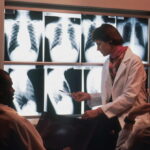
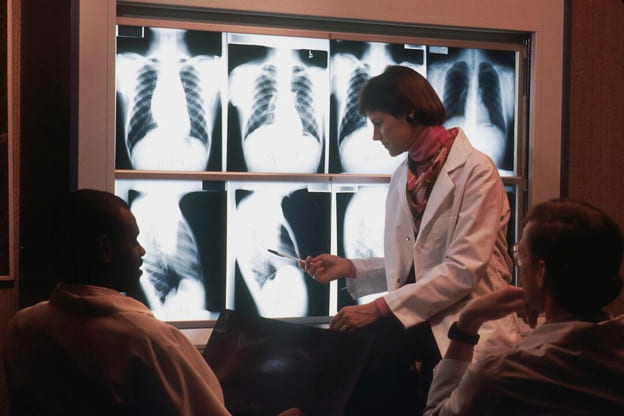
These classes help clinicians review complex scan results with clear guidance. That hands-on training leads right to better patient care.
Staying sharp takes more than skimming journals at lunch. Formal courses offer deep reviews of recent trials and guidelines. Clinicians learn key updates in focused classes built for deep study.
Shifting Mindsets for Real Career Growth
Many doctors see yearly course hours as boring paperwork. When doctors treat learning as a steady habit rather than a once-a-year task, it drives their growth. This shift in mindset changes how you view medical conferences.
Active learners do not wait for license renewal deadlines to read updates. They pick courses that solve real problems in their daily rounds. This direct approach keeps daily work interesting and fresh.
Meeting state board rules becomes a natural result of healthy curiosity. Doctors who study all year keep their licenses without last-minute stress. They stay ready for hospital credential reviews at any point.
Regular training shows a real commitment to medical excellence. Healthcare facilities praise doctors who pursue advanced credentials and clinical mastery.
Building Deep Clinical Expertise
General medicine covers broad topics. But focused skill opens exciting career doors. Target courses let doctors master niche imaging methods or complex clinical procedures.
Medical professionals refine their skills, meet licensing rules, and stay competitive in their field. Great technical skill turns a doctor into a trusted clinic leader. Peers seek out skilled colleagues when hard scan results appear.
That peer trust builds a solid base for long-term career growth. Advanced credentials help doctors stand out in a crowded job market.
Medical groups seek doctors who bring special diagnostic skills to their teams. These skills expand the range of tests a clinic can offer, helping their practices give full care under one roof.
Opening Doors to Medical Leadership
Hospitals need leaders who pair patient care skills with a strong clinic vision. Steady investment in ongoing education leads to specialization, higher pay, leadership roles, and new career paths. These paths include medical directorships, department chairs, or board advisory seats.
Such steps often bring pay bumps of $20,000 or more. Hospital boards trust doctors who show proven mastery. When leadership roles open, doctors with deep coursework stand out from other candidates.
They bring fresh ideas that improve patient care across whole departments. Advanced credentials create strong chances in teaching and research.
Skilled doctors can teach young residents, run Grand Rounds, or run clinical trials. These varied duties add excitement to daily work and help prevent burnout.
Improving Diagnostic Precision for Patients
Accurate diagnosis is the basis of safe care. Advanced courses show doctors rare cases. They also show subtle scan findings that doctors might miss.
Doctors sharpen their diagnostic eye. They study real scans with expert teachers. Refined skills cut medical errors, and this holds in primary care and emergency rooms.
Accurate diagnoses remove needless repeat scans. They also remove invasive biopsies. Patients get quick treatment. That shortens hospital stays and cuts costs.
Clear clinical reviews offer four major daily benefits:
- Lower error rates on complex imaging exams
- Fast turnaround times for urgent emergency room checks
- Better choice of the right medical tests
- High patient satisfaction ratings across outpatient clinics
These gains protect patient health. They also shield medical groups from legal risk. Doctors read findings right the first time.
Care quality rises. Clear accuracy builds lasting trust across the whole care team.
Expanding Your Nationwide Medical Network
Medical conferences bring people together. Doctors, scientists, and clinic directors all attend. They come from across the country.
These events create friendly spaces. People discuss hard patient cases and regional health trends. A quick chat over morning coffee can lead to joint trials, and it can also lead to future job offers.
Learning from Colleagues
Connecting with peers outside your local hospital breaks down isolation. Doctors trade practical advice. They talk about scanner buys worth over $100,000.
They cover staffing models and clinic efficiency. These shared insights help doctors solve hard problems at home.
Long-term career success often rests on strong bonds. Mentors met during courses guide career moves. This can last for 10 or 20 years.
Trusted peers across the country give you a steady sounding board. They help with hard clinical choices.
Adapting to New Healthcare Technology
Digital tools and artificial intelligence are changing daily care. Doctors must grasp how algorithms read patient scans.
Focused courses teach doctors how to judge these tools. They learn to use a critical eye.
Modern software should help clinical judgment. It should not replace human wisdom. Doctors who grasp computer detection models make smart choices.
They know how to handle automated results. This balanced approach protects patient safety. It also boosts clinic output.
Modern imaging courses prep providers for several key tasks:
- Adding artificial intelligence data into standard diagnostic reports
- Using point-of-care ultrasound devices during bedside emergency exams
- Managing updated digital image systems across hospital networks
- Reviewing new biomarker data in special oncology cases
Mastering digital tools makes a doctor vital to any team. Doctors who grasp medical tech help pick new software and hardware.
Protecting Yourself Against Clinical Fatigue
Repetitive clinic routines can lead to fatigue, and this can be physical and mental. It often shows up after years in practice. Stepping away from daily pressures helps.
Studying fresh ideas restores curiosity. Learning new surgical methods reconnects doctors with early passion. New diagnostic rules do the same.
Educational seminars give quiet time. Doctors can think about career goals. They return to their clinics with high energy and sharp focus.
That mental reset helps the doctor. It also helps the patients who depend on their care. Steady study turns medical practice into a rewarding adventure.
Charting Your Next Professional Milestone
Continuing medical education is a valuable investment. It pays off in your future. Structured learning sharpens skills.
It unlocks leadership paths, and it improves patient care quality. Take the next step in your career. Explore accredited programs today, then reach your long-term goals.
Check out the rest of our site for more!
Read Also
- How Continuing Medical Education Advances Your Career
 Medicine moves fast, and new clinical tools appear every month. Patient care rules change fast too. Doctors need fresh knowledge to give their patients the best care. Continuing medical education gives doctors a clear path to sharpen their skills. It helps them build confidence, fix gaps in their knowledge, and guide their careers. Steady learning… Read more: How Continuing Medical Education Advances Your Career
- 6 Best AI Drug Discovery Platforms for Biotech TeamsKey Takeaways A biotech team shortlisting AI drug discovery platforms is usually comparing products that are not the same kind. One vendor sells access to a model. Another runs a design campaign on your target and returns candidates. A third will only work on a shared-risk basis, taking a position in whatever comes out. All… Read more: 6 Best AI Drug Discovery Platforms for Biotech Teams
- What Today’s Patients Expect From Healthcare BrandsHealthcare is no longer experienced only through appointments, prescriptions, or hospital visits. Patients now interact with healthcare brands through websites, mobile applications, educational articles, product instructions, customer support teams, social media, and online reviews. Every one of these interactions influences how people judge a company. This shift has raised expectations. Patients want accurate information, convenient… Read more: What Today’s Patients Expect From Healthcare Brands
- Top Trends Shaping the Future of Mental Health CareMental health care is moving fast to meet daily human needs. People want direct care that fits modern life. Clinics respond by creating flexible options that make healing easier to reach. Providers look past rigid habits to give people solid care. From smart tools to body wellness, these changes help people find relief when life… Read more: Top Trends Shaping the Future of Mental Health Care
- Can Outsourced Telepsychiatry Help Healthcare Organizations Keep Pace With Modern Mental Health Screening?Mental healthcare is changing quickly, but many hospitals, clinics, schools, correctional facilities, and community health organizations do not have enough psychiatric professionals available to turn new screening approaches into timely clinical care. Outsourced telepsychiatry offers one way to close that gap. FasPsych, for example, connects healthcare organizations with psychiatrists, psychiatric nurse practitioners, and other behavioral… Read more: Can Outsourced Telepsychiatry Help Healthcare Organizations Keep Pace With Modern Mental Health Screening?
- Five operational checks for choking readiness in healthcare facilitiesA facility can have a choking poster on every wall and still be unprepared. Preparedness shows up when someone can recognize the emergency, call the right response, bring the right people and supplies to the room, and hand over clear information without losing time. That test belongs in operations as well as clinical education. The… Read more: Five operational checks for choking readiness in healthcare facilities
- Understanding the Demand for Correctional Healthcare ProfessionalsHave you ever wondered who cares for people when they get sick inside a prison? Many people do not realize that jails and prisons need skilled medical teams every single day. By reading this guide, you will learn why these important jobs are growing fast and how you can join this rewarding career field. Caring… Read more: Understanding the Demand for Correctional Healthcare Professionals
- Patient Engagement and Pharmaceutical Support Services: Building a Better Patient JourneyPatients rarely experience healthcare as a simple, linear process. They may need to understand a diagnosis, determine whether they qualify for a clinical trial, gather medical records, navigate insurance requirements, arrange transportation, learn how to use a medication, and stay engaged with treatment for months or years. Serva Health is one example of a specialist… Read more: Patient Engagement and Pharmaceutical Support Services: Building a Better Patient Journey