

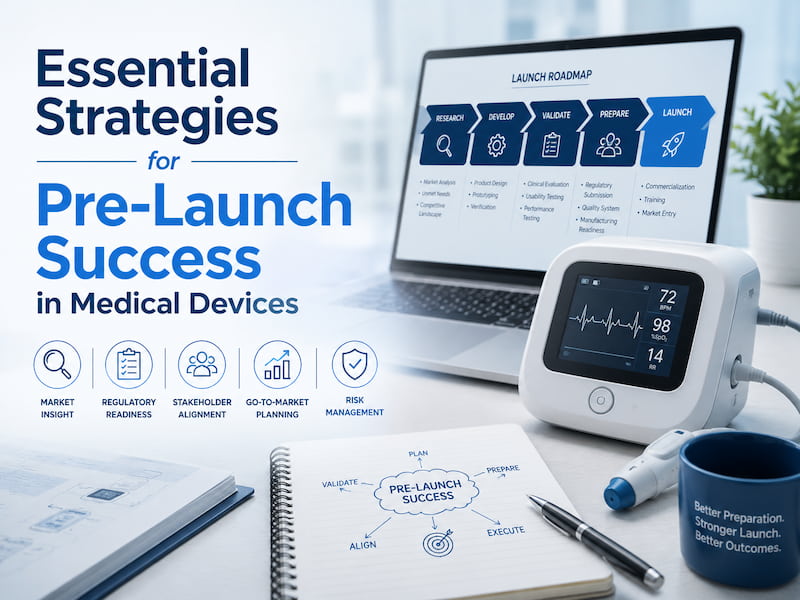
Launching a medical device takes more than a good idea. It needs careful planning from the start. Many products fail because teams rush the process. They do not prepare enough before entering the market.
A strong pre-launch plan helps reduce risks. It also improves product success. Good planning helps teams stay organized and focused.
It also helps avoid costly mistakes. When companies prepare well, they have a better chance to succeed in a competitive healthcare market.
Learn About the Market
Understanding the market is the first key step. Companies must know who will use the device. This includes doctors, nurses, hospitals, and patients. Each group has different needs. Research helps identify these needs clearly.
Teams should also study competitors. They must see what similar devices offer. This helps them understand what works and what does not. It also shows where improvements can be made.
Feedback from healthcare workers is also very useful. It helps shape the product into something more effective. Good research leads to better decisions and a stronger product before launch.
Get Ready for Regulations
Medical devices must follow strict rules. These rules protect patient safety and product quality. Companies should start learning these rules early. Waiting too long can slow down the launch.
Teams need to prepare all required documents. They must complete tests and safety checks carefully. Every detail must be correct and complete. Even small errors can cause delays. Experts in regulations can help guide the process.
A clear regulatory plan makes approval easier. It also helps avoid legal or compliance problems. This step is very important for success in any medical device launch.
Build Awareness Before Launch
Marketing should begin before the product is released. This helps people learn about the device early. It also builds trust in the brand. Strong awareness can lead to better sales after launch.
Companies should use simple and clear messages. They can share information through websites, emails, and online events. These tools help reach healthcare professionals faster.
A well-planned strategy like a Pre-Launch Marketing Checklist for Medical Devices helps teams stay organized. It ensures that all tasks are completed on time. Early marketing also helps create interest and demand before the product becomes available.
Prepare the Sales Team
A strong sales team is very important. Team members must fully understand the product. They should know how it works and what problems it solves. This helps them explain it clearly to customers.
Training is also needed before launch. Sales teams should practice answering questions. They should also learn how to handle objections. Companies must also plan product delivery. They should ensure enough stock is ready. Shipping and supply chains must be prepared in advance.
Test Everything Before Release
Testing is one of the most important steps. Companies must check if the device works correctly. They should test it in real situations when possible. This helps find problems early.
User feedback is very helpful during this stage. Healthcare workers can give honest opinions. Their feedback helps improve the final product. Marketing materials should also be tested. Sales messages must be clear and accurate. Small improvements before launch can lead to better results later.
Learn All About Pre-Launch Success in Medical Devices
A successful medical device launch needs strong preparation. Companies must study the market, follow regulations, and build awareness early. They must also train sales teams and test the product carefully.
Each step plays an important role. When done properly, these actions increase the chance of success. Good planning leads to a smoother and safer launch in the medical field.
Visit our blog for more!
Read Also
- The Outpatient Shift: How Hospitals Protect Revenue as Procedures Move to ASCs
 The outpatient shift is no longer a forecast; it is in the revenue line. Outpatient revenue at US hospitals is growing faster than any inpatient metric while operating margins sit below 3 percent, and federal policy is actively pushing procedures out of the hospital building. The response from health systems has escalated from pilot surgery… Read more: The Outpatient Shift: How Hospitals Protect Revenue as Procedures Move to ASCs
- What Pharma Companies Should Consider Before Entering a New International MarketA pharmaceutical product can be successful in one country. It may struggle to even set foot in another. The reason is simple. Global market entry is not merely a regulatory activity. A company’s product may be approved with strong clinical data backing it. The manufacturing network may be vast. However, the unexpected barriers around local… Read more: What Pharma Companies Should Consider Before Entering a New International Market
- Egypt’s Universal Health Insurance Phase II: What Private Facilities Need to KnowEgypt’s universal health insurance program is about to get much bigger, and private hospitals, clinics, labs and imaging centers are being invited into it. Phase II of the Universal Health Insurance System is rolling out across six more governorates, a new national compact with the World Bank is funding the expansion, and the health ministry… Read more: Egypt’s Universal Health Insurance Phase II: What Private Facilities Need to Know
- Electronic Prior Authorization 2027: How Clinics and Hospitals Can Get ReadyFor most clinics and hospitals, prior authorization is where patient care meets paperwork. Staff spend hours finding out whether an authorization is required, chasing payer-specific documentation rules, uploading records to different portals and tracking requests by phone and fax. In the United States, a federal rule now aims to replace much of that fragmented work… Read more: Electronic Prior Authorization 2027: How Clinics and Hospitals Can Get Ready
- How to Navigate Executive Recruitment in the Pharmaceutical SectorSuccessful leadership hiring in life sciences requires a clear and structured approach. Companies need leaders who can support growth, innovation, and operational strength. Competition for top talent is high and decisions need to be precise. The process also demands a strong understanding of both science and business needs. Many organizations struggle with finding the right… Read more: How to Navigate Executive Recruitment in the Pharmaceutical Sector
- Essential Strategies for Pre-Launch Success in Medical DevicesLaunching a medical device takes more than a good idea. It needs careful planning from the start. Many products fail because teams rush the process. They do not prepare enough before entering the market. A strong pre-launch plan helps reduce risks. It also improves product success. Good planning helps teams stay organized and focused. It… Read more: Essential Strategies for Pre-Launch Success in Medical Devices
- Key Trends in Medical Spa Marketing PerformanceMedical spa marketing is changing quickly. More clinics now compete for the same patients. People want fast results and simple booking options, and this has pushed clinics to improve their marketing strategies. A strong online presence is now very important for growth. Patients also expect clear information before they book. They want to see results,… Read more: Key Trends in Medical Spa Marketing Performance
- Dental Marketing Tactics That Improve Organic Search VisibilityMany people use search engines to find dental services online. They search for terms like “dentist near me” or “best dental clinic in Texas.” If a dental clinic appears at the top of search results, it has a better chance of getting new patients. That is why improving organic search visibility is important for every… Read more: Dental Marketing Tactics That Improve Organic Search Visibility