

Losing an adult tooth can change your daily life. Chewing becomes harder, speaking may feel different, and smiling can become uncomfortable. Many people think tooth loss only affects their appearance. However, missing teeth can affect much more than your smile. Your mouth plays an important role in your overall health. When you lose a tooth, changes can begin in your jaw, diet, and even other parts of your body.
How Missing Teeth Change Your Bite
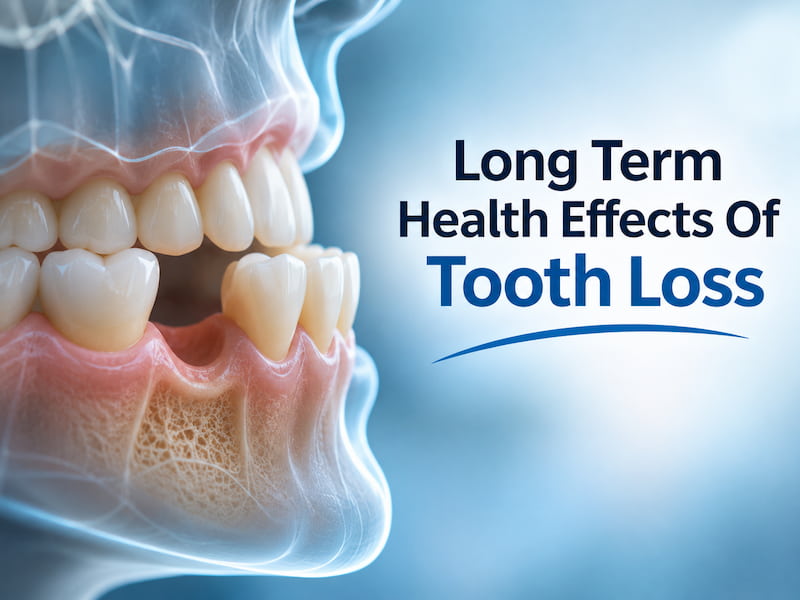
Your teeth work together to keep your bite balanced. Each tooth helps support the teeth around it. When one goes missing, the others may begin to move into the empty space.
Nearby teeth can lean, twist, or shift out of place. Teeth in the opposite jaw may also move downward or upward because they no longer have a tooth to meet. Dentists call this movement overeruption.
These changes can affect how your upper and lower teeth meet. Your bite may become uneven, placing extra pressure on certain teeth. This strain can also affect your jaw joints. Some people develop jaw pain, muscle tension, or frequent morning headaches.
Modern Options for Replacing Missing Teeth
There are several ways to replace missing teeth and restore normal chewing. Common options include dental implants, bridges, and dentures.
Each option works in a different way. Dental implants use a small support placed in the jawbone. Bridges use nearby teeth to hold a replacement tooth in place. Dentures replace several missing teeth or a full set.
Replacing a missing tooth can help restore your bite and reduce unwanted tooth movement. It may also help protect the shape of your face. A dentist can examine your mouth and explain which option best suits your needs.
Inflammation and Heart Health
Your mouth contains many types of bacteria. Most are harmless, but some can cause gum disease and infection.
When gum disease becomes severe, the gums may become swollen and bleed. This creates small openings through which harmful bacteria can enter the bloodstream.
Researchers have found links between certain mouth bacteria and heart disease. Studies have also found different patterns of oral bacteria in people with narrowed or damaged arteries.
These findings suggest that poor oral health may play a role in long-term inflammation. Inflammation can affect blood vessels and may add to the risk of heart problems.
However, this does not mean that losing a tooth directly causes heart disease. Gum disease, poor oral health, and other health conditions may share several risk factors.
The Connection Between Tooth Loss and Brain Health
Your oral health may also affect your brain as you get older. Researchers have studied possible links between gum disease, tooth loss, and memory problems.
Long-term gum infections can keep the body’s immune system active. This may lead to ongoing inflammation. Scientists believe that this inflammation could affect the brain and its protective barrier.
Missing teeth may also reduce the signals that travel from the mouth to the brain during chewing. These signals help the brain respond to normal eating movements.
Protect Your Health by Replacing Missing Teeth
Replacing missing teeth can help restore chewing and support your remaining teeth. Regular dental visits can also help detect problems before they become worse.
If you have lost a tooth, speak with your dentist about your options. Early care can help protect your jawbone, maintain a balanced bite, and support your overall health. Make sure to check out the rest of our articles!
Did you find this helpful? Check out our other helpful articles on our website.
Read Also
- Long Term Health Effects Of Tooth Loss
 Losing an adult tooth can change your daily life. Chewing becomes harder, speaking may feel different, and smiling can become uncomfortable. Many people think tooth loss only affects their appearance. However, missing teeth can affect much more than your smile. Your mouth plays an important role in your overall health. When you lose a tooth,… Read more: Long Term Health Effects Of Tooth Loss
- How to Set Up a Sleep Friendly Bedroom for Recovery at HomeRest is one of the simplest parts of recovery, yet it is often the hardest to get at home. After surgery, an illness, or a hospital stay, many people go back to a bedroom that was never designed for healing. Light from the street, early sun, and a busy household can all cut sleep short… Read more: How to Set Up a Sleep Friendly Bedroom for Recovery at Home
- Piles Clinic in Singapore: Symptoms, Treatment Options and When to See a SpecialistHaemorrhoids, commonly known as piles, are a frequent condition affecting the veins around the lower rectum and anus. They can cause discomfort, itching, swelling and bleeding, making everyday activities such as sitting and passing stools uncomfortable. Although mild cases may improve with dietary and lifestyle changes, persistent or advanced haemorrhoids sometimes require medical procedures or… Read more: Piles Clinic in Singapore: Symptoms, Treatment Options and When to See a Specialist
- What You Need to Know About Dental FluorosisHave you noticed chalky white spots on your teeth when you look in the mirror? You might have a common condition called dental fluorosis, which drastically changes the way your tooth enamel looks. This mostly happens when young children consume too much fluoride while their adult teeth actively grow beneath the gums. While fluoride undoubtedly… Read more: What You Need to Know About Dental Fluorosis
- What Makes Permanent Tooth Replacement A Life-Changing Option?Missing teeth can cause serious discomfort and lower your self-esteem. Many people struggle with everyday tasks like eating meals and speaking clearly to friends. Traditional dentures offer a quick fix but often slip or feel completely unnatural. A modern approach provides a secure fit that feels exactly like real teeth – giving you true peace… Read more: What Makes Permanent Tooth Replacement A Life-Changing Option?
- Where to Find Reliable Mental Health Support for TeensHave you noticed changes in your teen’s mood, sleep, or behavior that leave you worried? Growing up can bring stress from school, friends, family, and new demands. Some teens may struggle to share their feelings or ask for help, even when they need support. Finding the right mental health support for teens can help them… Read more: Where to Find Reliable Mental Health Support for Teens
- Top Trends Shaping the Future of Mental Health CareMental health care is moving fast to meet daily human needs. People want direct care that fits modern life. Clinics respond by creating flexible options that make healing easier to reach. Providers look past rigid habits to give people solid care. From smart tools to body wellness, these changes help people find relief when life… Read more: Top Trends Shaping the Future of Mental Health Care
- Full-Arch Dental Tourism: Why UK Patients With Severe Bone Loss Are Looking AbroadDental implants have become one of the fastest-growing segments of private dentistry. Within that market, one patient group behaves very differently from the rest: people who have been told they do not have enough upper jawbone for conventional implants. For these patients, the choice is rarely between one clinic and another. It is between a… Read more: Full-Arch Dental Tourism: Why UK Patients With Severe Bone Loss Are Looking Abroad