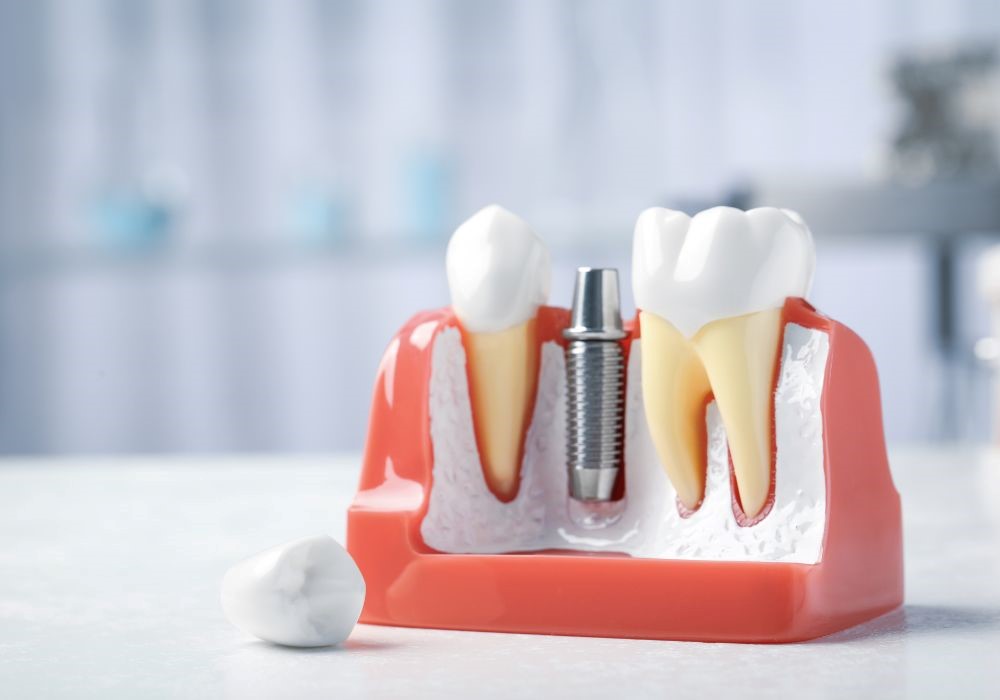
You can expect technology and change in every industry, but some take longer to embrace these new technologies than others. Dentistry is one industry that must continually respond to and incorporates new technologies to deliver the best care possible. New developments aren’t slowing down any time soon. Thankfully, there are some things you can expect in the future of dentistry that will start showing up in dental offices in the next few years.
Augmented Reality (AR) Education
One of the biggest challenges for students and professionals alike in the medical field is learning practical skills in a safe setting. It’s difficult to go from textbooks to working on an actual patient, but it’s what students have had to do for years. Thankfully, new augmented reality (AR) tools make that transition easier. AR is also great for established professionals who need to learn a new treatment or tool.
In the augmented reality space, you can have a perfect replica of a patient and their teeth to work on, and you can code all kinds of situations. AR will allow you to use real instruments to work on a virtual patient’s teeth in real time. With AR, you can work on
- Cavities
- Dental cleanings
- Braces
- Orthodontic surgeries
- Wisdom teeth removals
- Plaque removal
Training in this virtual space will help students and professionals prepare before working with real patients. They may not have real-world experience, but they’ll have all the knowledge and tools necessary to be ready for the first patient that walks through the door.
Dental Implants
One aspect of dentistry’s future that you’re likely to start implementing in your own dental offices is better dental implants. Dentists need to know that the future of dental implants is here, and prosthodontics will continue to advance. In fact, if you check out this dentist in Charlotte, they’ll tell you about a recent study about a smart dental implant that could control bacterial growth. Dentists know how teeth work with your jaws and muscles, but each person is different. You must take other occlusion and bite factors into account when creating a dental implant and use proper materials that can last for years in a patient’s mouth.
Modern dental implants are already tough and resistant to infections, but soon, you may see more implants made with zirconia. It’s efficient, easy to use, and much more corrosion-resistant than other dental implant materials.
Remote Teledentistry
Teledentistry is another way dentistry will change in the future. Some dentists already embrace this form of interaction with patients, but some are slow to embrace this new form of dentistry. It can seem unrealistic since a dentist needs to look at a patient’s teeth to fully understand the situation, but there are ways that it can work. It’s a great way to have consultations, and you can also get radiographs or digital impressions to your office when the patient goes through other locations. Sharing this information can help you deliver care to patients who can’t come into your office traditionally.
The future is uncertain, but these are some of the things to expect in the future of dentistry. It’s an industry that’s quick to embrace new technologies, and there are no signs of slowing down any time soon. Technological changes are happening quicker than ever before, and the dentistry industry of the future will likely look quite different than it looks today.
Read Also
- Innovative Technologies in Oncology: The Future of Cancer Treatment
 Have you ever wondered how far cancer treatment has come in recent years? Advances in technology are making a real difference in the fight against cancer. Today, more people are living longer and healthier lives after a cancer diagnosis. This is all thanks to new and groundbreaking medical advancements. The future of cancer care looks… Read more: Innovative Technologies in Oncology: The Future of Cancer Treatment
 - Cloud-Based Healthcare Administration Solutions: A Guide for Payers, TPAs, and Provider NetworksHealthcare administration has become too complex for disconnected spreadsheets, aging on-premise applications, and manual handoffs between departments. Organizations need technology that can manage claims, enrollment, billing, provider relationships, and member data as connected parts of the same operation. MCSI – Visova is one example, offering a cloud-native vpaas designed to support HIPAA-compliant healthcare administration. Its… Read more: Cloud-Based Healthcare Administration Solutions: A Guide for Payers, TPAs, and Provider Networks
- How Intelligent Invoice Processing Is Reshaping Healthcare AP WorkflowsWhat happens when healthcare invoice volumes outpace the AP team’s ability to review, validate, and route them, while cost per invoice keeps rising? That gap is pushing finance leaders past basic digitization. Supplier invoices across formats, systems, departments, and approval paths, and holding speed, accuracy, compliance, and visibility together gets harder at scale. Intelligent invoice… Read more: How Intelligent Invoice Processing Is Reshaping Healthcare AP Workflows
- From 1905 to 2026: How German Legacy Manufacturers Power Deutsche Dental Technologien’s SuccessFrom 1905 to 2026: How Busch & Co.’s Legacy Powers Deutsche Dental Technologien’s Success In an era where dental technology advances at breakneck speed, few companies embody the perfect blend of historic craftsmanship and modern business agility quite like Busch & Co. and its strategic partner Deutsche Dental Technologien. What began as a small dental bur factory in… Read more: From 1905 to 2026: How German Legacy Manufacturers Power Deutsche Dental Technologien’s Success
- Why the Future of Healthcare Administration is Cloud-NativeThe operational demands placed on modern healthcare administrators have officially outpaced the capabilities of traditional IT infrastructure. While clinical medicine continues to advance at breakneck speed, the back-office systems required to support it often remain painfully stagnant. Today’s insurers, Third-Party Administrators (TPAs), and provider networks are forced to navigate an avalanche of daily claims, aggressive… Read more: Why the Future of Healthcare Administration is Cloud-Native
- The Digital Overhaul: Why Modern Healthcare Administration Demands Advanced Technology SolutionsLet’s be honest about the current state of healthcare administration: it is staggering under its own complexity. The days of managing patient populations, claims, and provider networks with spreadsheets and disjointed legacy systems are long gone. Today, the sheer volume of data processing required just to keep a healthcare organization afloat is enough to paralyze… Read more: The Digital Overhaul: Why Modern Healthcare Administration Demands Advanced Technology Solutions