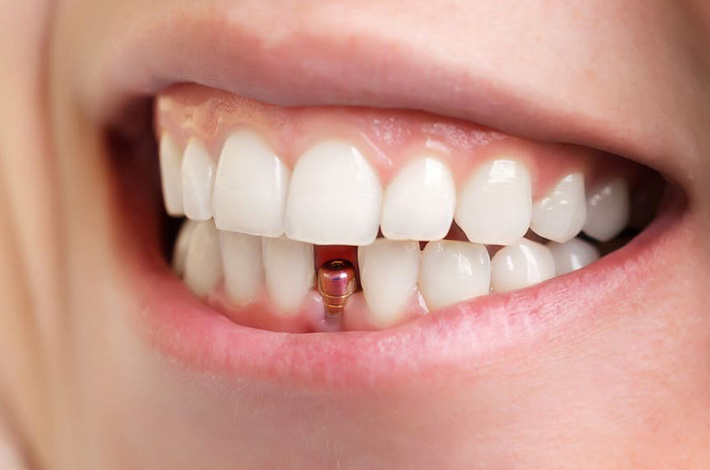
Dental implants are an excellent option for people wishing to improve their smile. However, its benefits go beyond enhancing visual appeal. You may also receive additional advantages from these dental appliances. Dental implants may enhance certain aspects of your quality of life.
What Exactly is Dental Implants?
Artificial replacement teeth, called dental implants, are attached to the jawbone. Titanium cylinders are surgically placed beneath the gum line as mounts, holding the replacement teeth in place. A qualified dentist must carry out the procedure in a setting with the right dental tools. You lessen health risks and ensure your safety by doing this.
What Makes Dental Implants a Good Option?
Given that the process involves surgery, it is normal to have concerns about it. When performed by a professional, you can be confident that dental implants are more dependable than any other dental repair method. The following six reasons support the use of dental implants:
Missing Teeth’s Natural Functions Are Restored
Dental implants mimic natural tooth characteristics, restoring bite force and digestion. They can replace extracted teeth like molars, allowing for better oral hygiene and handling tougher food. Implants can be cleaned similarly to normal teeth, ensuring a natural feel and functioning as if no tooth was lost.
Increased Convenience
Dentures that don’t fit properly can come out at the most inconvenient times. Additionally, you’ll need to clean them frequently. As they deteriorate or become damaged over time, bridges and crowns may need replacing. With implants, none of these concerns will apply to you.
Durability
You can anticipate your implants lasting for many years if you properly maintain them by brushing your teeth, maintaining your regular dental hygiene practice, and continuing to go for routine checkups. Your implants are a fantastic investment in the long-term health of your teeth because of this enduring benefit.
Reestablish Facial Support
Your cheeks and other facial muscles lose support when teeth fall out. When your skin sags, it can make you look years older than you actually are, especially if you’ve recently lost one or more teeth. Implants can be used to restore missing teeth and maintain your youthful appearance. Dental implants will also gradually fuse with your jawbone as you age, keeping them in place permanently and reducing your risk of developing new dental difficulties or problems with your neighbouring teeth.
Improving Appearance
Have you ever observed how persons who are missing numerous teeth appear to have sunken faces? In the first year following the loss of an adult tooth, the jawbone might decline by as much as 50%. Your face will once again appear fuller as your titanium implant fuses with your jawbone, a process known as osseointegration. Additionally, a broader face may give you a younger, healthier appearance.
Enhanced Comfort
Dental implants offer a more comfortable alternative to dentures for lost teeth, as they resemble natural teeth and do not cause speech or eating discomfort. Dentures require breaking in and may cause discomfort, while dental implants feel like natural teeth immediately, with the exception of treatment and healing time.
Conclusion
Implants feel natural and can prevent missing teeth. Research them and consult a dentist for a thorough examination and discussion to determine your best option.
Read Also
- Understanding the Impacts of Metabolic Rates on General Health
 Your metabolic rate plays a bigger role in your health than you might think. It controls how your body turns food into energy every single day. When metabolism is balanced, you may feel more active and focused. If it slows down or speeds up too much, problems can appear. It can affect weight, energy levels,… Read more: Understanding the Impacts of Metabolic Rates on General Health
 - When to Take Your Child to the Pediatrician vs. Urgent Care: A Practical GuideFew parenting decisions feel more uncertain than the one made at 9 PM with a feverish toddler in your lap. Is this a wait-until-morning situation? A drive-to-urgent-care situation? A call-the-pediatrician’s-after-hours-line situation? Knowing the framework for these decisions cuts down on stress, reduces unnecessary trips, and makes sure your child gets the right care at the… Read more: When to Take Your Child to the Pediatrician vs. Urgent Care: A Practical Guide
- Well-Child Visits Explained: What Happens at Each Checkup and Why They MatterWell-child visits are one of the most useful — and most underestimated — tools in pediatric care. Many parents think of them as a vaccination delivery system, but they’re actually structured developmental checkpoints designed to catch issues early, track healthy growth, and give parents a regular opportunity to ask questions about everything from sleep to… Read more: Well-Child Visits Explained: What Happens at Each Checkup and Why They Matter
- Sprained Ankle vs. Fracture: How to Tell the Difference and What to Do NextA rolled ankle is one of the most common injuries in everyday life — a missed step on a curb, an awkward landing during a pickup game, a slip on uneven ground. Most of the time it’s a sprain that heals with rest. Sometimes it’s actually a fracture, and the two can be surprisingly hard… Read more: Sprained Ankle vs. Fracture: How to Tell the Difference and What to Do Next
- Plantar Fasciitis, Bunions, and Heel Pain: When Conservative Care Isn’t EnoughFoot pain is often dismissed as a nuisance — something to push through, stretch out, or ignore until it goes away. And in fairness, many cases do resolve with rest, better shoes, and basic stretching. But certain conditions can quietly worsen for months or years before patients seek help, by which point conservative options have… Read more: Plantar Fasciitis, Bunions, and Heel Pain: When Conservative Care Isn’t Enough
- Is Joint Replacement Right for You? Questions to Ask Before SurgeryJoint replacement is one of the most successful procedures in modern medicine — but it’s still major surgery, and it’s not the right answer for everyone. If chronic hip or knee pain has reached the point where you’re considering replacement, the questions you ask before scheduling can shape your outcome as much as the procedure… Read more: Is Joint Replacement Right for You? Questions to Ask Before Surgery