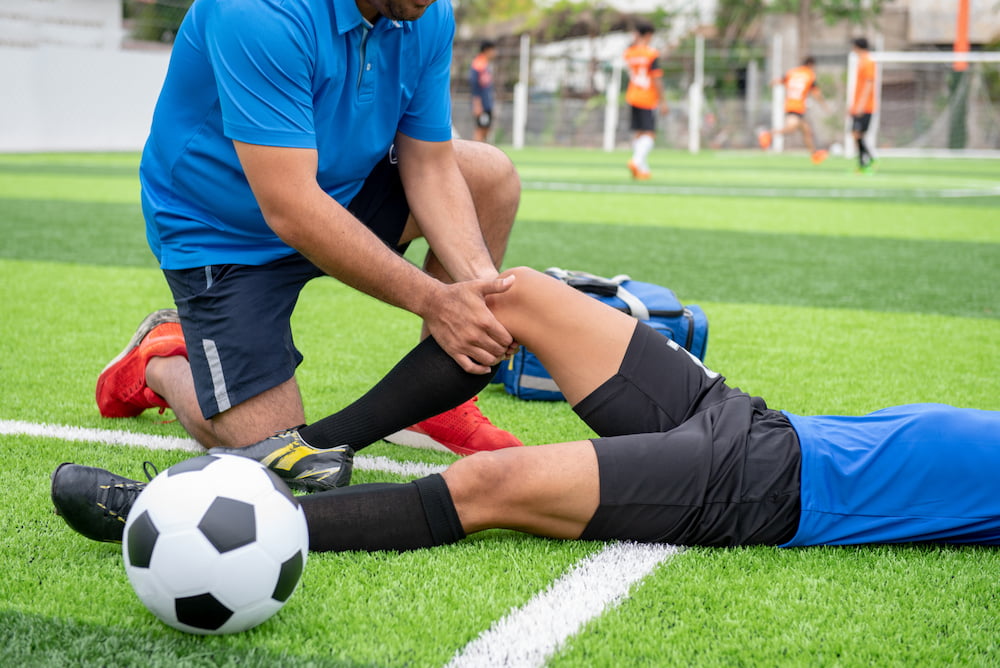
Have you heard that around 3.5 million kids and teens suffer from sports injuries each year?
Participating in sports can bring immense joy and many health benefits. Such physical exertion comes with the risk of sports injuries, though. Understanding when to seek professional help for sports injury treatment is crucial.
What are sports injuries, and when should you consult a sports injury clinic? Read on so you can look after your health better.
Common Sports Injuries
Sports injuries can range from mild strains to severe fractures. Each needs specific attention.
Try to understand the nature of these injuries. That can help you identify when professional help is necessary.
Sprains
Sprains happen when ligaments stretch or tear from twisting or getting hit. Common examples include ankle sprains and wrist sprains.
Mild sprains can often be managed at home. Severe or recurring sprains may need professional evaluation and treatment.
Strains
Strains refer to injuries that involve muscles or tendons. They can occur when these tissues are overstretched or torn.
Common examples include hamstring strains and groin strains.
Whiplash
Most people think of car crashes when they hear about whiplash. People can get whiplash in contact sports like football, though. This injury causes severe pain in the neck.
You could even seek out whiplash injury compensation for your suffering.
Fractures
Fractures involve the breaking or cracking of bones. This can occur due to sudden impacts, falls, or excessive force. Fractures can vary in severity from hairline fractures to complete breaks.
It’s crucial to seek professional help for fractures to ensure accurate diagnosis and proper alignment of the bones. You’ll get appropriate treatment. This may include casting, splinting, or surgery.
Tendonitis
Tendonitis is the inflammation of a tendon. Overuse and repetitive motions can cause it. Common examples include tennis elbow and Achilles tendonitis.
Initial treatment for tendonitis may involve self-care measures. Persistent or severe cases may need professional evaluation and intervention. This could include physical therapy or corticosteroid injections.
Dislocations
Dislocations occur when a bone is forced out of its normal position within a joint. This can result from sudden impacts or extreme joint movements. Common examples include shoulder dislocations and finger dislocations.
Seeking immediate professional help is crucial. You can resolve the dislocation and prevent further complications.
When to See a Sports Injury Doctor
Minor sports injuries can often get better with simple at-home remedies. Doing things like resting and icing can get stellar results. Severe injuries can benefit from professional care, though.
Persistent Pain
Has your pain persisted or gotten worse after a few days of self-care measures? It’s advisable to consult a sports injury doctor.
Persistent pain may indicate a more serious underlying condition. It requires proper diagnosis and treatment. Ignoring constant pain can lead to further damage and delay recovery.
Swelling and Bruising
Significant swelling and bruising around the injured area are signs of tissue damage. It should get evaluated by a medical professional.
These symptoms may be indicative of a fracture or ligament tear. This needs immediate attention. Prompt medical assessment can prevent complications.
Inability to Bear Weight
Are you unable to put weight on the injured limb or joint? It could signify a severe sprain, strain, or fracture.
Seeking professional help is vital to determine the extent of the injury and receive appropriate treatment. Professionals can provide support and immobilization devices. Surgical interventions are possible as well, if necessary.
Restricted Range of Motion
Difficulty moving or a loss of flexibility suggests a potential ligament, tendon, or muscle injury. A sports injury doctor can assess the range of motion. They’ll prescribe suitable therapies to aid in recovery.
Rehabilitation exercises and physical therapy can restore mobility.
Recurring or Chronic Pain
Do you have a history of recurring pain or a chronic condition related to a sports injury? You’ll get a targeted treatment by seeking the expertise of a sports injury specialist. They’ll also provide long-term management strategies.
These professionals can address underlying issues and provide pain relief. They’ll develop tailored plans to prevent future injuries.
Benefits of Professional Help
Consulting a sports injury chiropractor or doctor offers countless benefits. They enhance the healing process and minimize the risk of long-term complications.
These professionals have specialized knowledge and experience in treating sports-related injuries. This ensures a comprehensive and tailored approach to recovery.
Accurate Diagnosis
Professionals can accurately diagnose the nature and severity of the injury. This is crucial for appropriate treatment planning.
This could involve getting X-rays, MRIs, or ultrasounds to assess the extent of the damage. A precise diagnosis allows for targeted treatment strategies.
Personalized Treatment Plans
Each sports injury is unique. Professionals will treat you based on:
- The specific injury
- Your age
- Your activity level
- Your health
This promotes efficient healing. Professionals can incorporate various therapies as well. This can include physical therapy, chiropractic care, or medication.
Rehabilitation and Physical Therapy
Sports injury clinics often offer rehabilitation services. These experts can guide you through exercises and techniques.
They’ll facilitate a safe return to sports or physical activities. Rehabilitation programs aim to restore strength, flexibility, and function.
Preventive Measures
Sports injury professionals can educate you on injury prevention strategies. This can include proper warm-up routines, conditioning exercises, and equipment recommendations.
This knowledge can help minimize the risk of future injuries. It’ll also enhance your athletic performance. Learning techniques to prevent recurrent injuries can contribute to long-term well-being.
Seeking Professional Help for Sports Injury Treatment
When it comes to sports injury treatment, professional intervention can be vital for a successful recovery. Your recovery and long-term well-being should always be a top priority.
What else can you do to look after your wellness? We publish excellent health and fitness content. Tour the rest of our blog to learn more.
Eat well, get plenty of exercise, and live a generally healthy lifestyle to keep your testosterone levels where they should be.
Read Also
- Levels of Mental Health Care and When to Seek Support
 Mental health care can range from occasional outpatient appointments to 24-hour hospital treatment. The appropriate level depends on safety, symptom severity, daily functioning, medical needs, available support, treatment history and personal preferences. A licensed clinician should assess these factors rather than relying on a symptom list alone. Need help now? In the United States, call… Read more: Levels of Mental Health Care and When to Seek Support
 - How to Choose a Shilajit Brand Based on the ResearchIn a randomized trial published in the Journal of the International Society of Sports Nutrition in 2019, 63 active men took 250 mg of standardized shilajit, 500 mg, or a placebo every day for eight weeks, and the benefit for strength retention after a fatiguing workout appeared only at 500 mg. For anyone choosing a… Read more: How to Choose a Shilajit Brand Based on the Research
- How to Incorporate Relaxation into Your Busy ScheduleFinding balance when you have a packed daily agenda often feels out of reach. Between work duties, family obligations, and personal projects, personal rest usually gets pushed to the bottom of the list. Small, intentional shifts in daily habits can help restore calm without requiring hours of extra free time. Continue reading to discover everything… Read more: How to Incorporate Relaxation into Your Busy Schedule
- Red Light Therapy for Skin and Wellness: Meet Vital Red Light TherapyModern wellness is not always about complicated treatments or long routines. Many people are now looking for simple, convenient ways to support their skin, recovery, and overall wellness at home. One technology getting more attention is red light therapy. Red light therapy uses specific wavelengths of red and near-infrared light to support the body’s natural… Read more: Red Light Therapy for Skin and Wellness: Meet Vital Red Light Therapy
- Managing Shock Loss After a Hair Transplant: The Financial and Clinical Imperative of Post-Op CareIn the rapidly evolving landscape of private healthcare, executive leadership within cosmetic and restorative surgery clinics faces a dual challenge: maintaining strict clinical standards while maximizing patient lifetime value (LTV) and brand advocacy. As the global medical tourism and elective procedure markets expand, clinical outcome quality alone is no longer the sole differentiator for premium… Read more: Managing Shock Loss After a Hair Transplant: The Financial and Clinical Imperative of Post-Op Care
- Transform Your Skin Health: Premier Gluta IV Therapy in DubaiThis comprehensive guide explores how modern intravenous wellness treatments can help revitalize your complexion, boost immune function, and support overall cellular health. By incorporating modern IV therapy Dubai services into a routine health regimen, individuals can achieve direct nutrient absorption for optimal results. Selecting a customized gluta IV drip Dubai treatment provides targeted antioxidant defense,… Read more: Transform Your Skin Health: Premier Gluta IV Therapy in Dubai