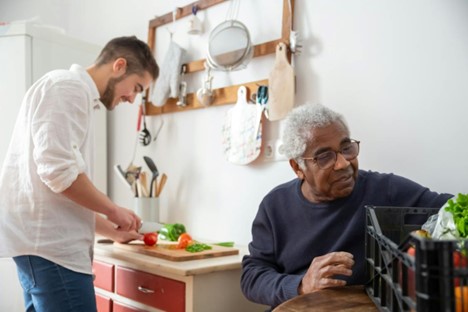
Global life expectancy has more than doubled in the last hundred years, thanks to modern medicine and technology. However, with more people living longer and making it into old age, the need for effective and compassionate care for our elderly loved ones has never been more pronounced. Caring for seniors requires a unique combination of understanding, patience, and knowledge. It’s not just about addressing their physical needs but also about nurturing their emotional well-being and respecting their dignity.
This article offers ten essential tips for those who find themselves in the rewarding yet challenging role of caring for a senior loved one. From understanding individual needs to maintaining regular health check-ups, these tips aim to provide a holistic approach to senior care, ensuring that our elders live their later years with the comfort, respect, and love they deserve.
1. Understanding Individual Needs
Every senior is unique, with their own set of preferences, habits, and health issues. Understanding these individual needs is the first step in providing effective care. Start by having open conversations with your senior loved one about their desires and concerns. Pay attention to both their spoken and unspoken needs. It’s also crucial to stay informed about their health conditions and any limitations they might have, whether physical or cognitive. This understanding allows you to tailor your approach, ensuring that it aligns with their personal needs and enhances their quality of life.
2. Enrolling in a Nursing Program
Nurses are the backbone of professional care for older adults, offering a level of expertise and compassion that is crucial in this field. But why become a nurse? It’s more than a profession; it’s a calling that brings deep fulfillment. As a nurse, you play a pivotal role in the lives of seniors, providing not just medical care but also emotional support. You are often the bridge between the senior, their doctor, and their family, helping to navigate the complexities of elder care. The satisfaction of making a genuine difference in someone’s life is what makes nursing a truly rewarding and fulfilling career.
3. Establishing a Safe Environment
A safe living environment is paramount for senior care. Start by assessing the home for potential hazards, such as loose rugs, inadequate lighting, or slippery floors, and make necessary modifications. Install grab bars in the bathroom, ensure that pathways are clear of clutter, and consider renovations like adding wheelchair ramps to help with mobility. Remember, building a safe environment is not only about preventing falls or accidents but also about creating a space where seniors feel secure and comfortable.
4. Encouraging Independence
One of the key aspects of caring for seniors is to encourage and support their independence as much as possible. This involves finding a balance between providing necessary assistance and allowing them to perform tasks they are still capable of doing on their own. Encourage them to engage in daily activities, whether it’s dressing themselves, participating in household chores, or pursuing hobbies. Respecting their autonomy not only boosts their self-esteem but also contributes to their overall well-being.
5. Maintaining Regular Health Check-Ups
Regular health check-ups are essential in monitoring and managing the health of seniors. These check-ups can help in the early detection of potential health issues and ensure that existing conditions are managed effectively. Coordinate with healthcare providers to keep track of appointments, vaccinations, screenings, and any specialist visits that may be required. It’s also important to keep a record of medical history, medications, and any changes in health status. Staying proactive in healthcare management can significantly impact the quality of life for seniors.
6. Providing Nutritious Meals
Ensuring proper nutrition intake is crucial for seniors, as it directly impacts their health and well-being. Age-related changes can affect appetite and the body’s ability to absorb nutrients, making it vital to focus on providing nutritious, well-balanced meals. Start by understanding any dietary restrictions or needs related to health conditions like diabetes or heart disease. Meals should be rich in essential nutrients, including fiber, vitamins, and proteins while being low in sodium and unhealthy fats.
Don’t overlook the importance of hydration; ensure that your senior loved one is drinking enough water throughout the day. If preparing meals is challenging, consider services like meal delivery or assistance from a nutritionist to ensure that dietary needs are met.
7. Encouraging Social Interaction
Social interaction is essential for the emotional and mental health of seniors. Loneliness and isolation can lead to depression and a decline in cognitive function. Encourage your loved one to stay connected with friends and family, whether it’s through regular visits, phone calls, or video chats. Participating in community activities, clubs, or senior centers can also provide valuable opportunities for social interaction. If mobility is a concern, look into community transport services that can facilitate these engagements. Remember, social activities should be enjoyable and aligned with the senior’s interests and capabilities.
8. Incorporating Physical Activity
Regular physical activity is beneficial for seniors, contributing to their overall health and mobility. Exercise can help maintain muscle strength, improve balance, and reduce the risk of chronic diseases. Consult with healthcare professionals to determine suitable exercises, which might include walking, gentle stretching, water aerobics, or yoga. Always consider the senior’s physical limitations and ensure that activities are safe and enjoyable. Physical activity is not just about exercise; it can also include gardening, dancing, or simple household tasks. The key is to keep the body moving and engaged in a way that’s both beneficial and enjoyable.
9. Managing Medications Effectively
Effective medication management is vital for seniors, especially those with multiple prescriptions. It’s essential to ensure that medications are taken correctly in terms of dosage and timing. Use pill organizers and set reminders to help keep track.
Regular reviews with a healthcare provider are important to assess the ongoing relevance and effectiveness of each medication. Open communication with pharmacists and doctors can help prevent adverse interactions between different medications. Remember, proper medication management can significantly impact the health and quality of life for seniors.
10. Emotional Support and Empathy
Providing emotional support and showing empathy are as important as addressing physical needs. Seniors often face emotional challenges such as dealing with loss, facing health issues, or feeling a lack of purpose. Listen attentively to their concerns, show understanding, and offer reassurance. Simple acts of kindness, regular check-ins, and shared activities can greatly contribute to their emotional well-being. Remember, emotional support involves recognizing and respecting their feelings, providing companionship, and ensuring they know they are valued and loved.
Conclusion
Caring for a senior loved one is a multifaceted responsibility that extends beyond physical care to encompass emotional support, social engagement, and a deep understanding of their individual needs. These ten tips provide a comprehensive guide to enhancing the quality of life for seniors. From ensuring proper nutrition and medication management to encouraging physical activity and offering emotional support, each aspect plays a critical role in providing holistic care.
For caregivers, this journey, though challenging, is immensely rewarding. It’s an opportunity to give back to the older generation, ensuring they live their later years with dignity, comfort, and joy. By following these tips, caregivers can make a significant difference in the lives of their senior loved ones, fostering a caring and supportive environment where they can thrive. Remember, the care we provide to our elders today reflects the values of our society and sets a precedent for the care we may one day receive.
Did you find this helpful? Check out our other helpful articles on our website.
Read Also
- What Makes Permanent Tooth Replacement A Life-Changing Option?
 Missing teeth can cause serious discomfort and lower your self-esteem. Many people struggle with everyday tasks like eating meals and speaking clearly to friends. Traditional dentures offer a quick fix but often slip or feel completely unnatural. A modern approach provides a secure fit that feels exactly like real teeth – giving you true peace… Read more: What Makes Permanent Tooth Replacement A Life-Changing Option?
 - Where to Find Reliable Mental Health Support for TeensHave you noticed changes in your teen’s mood, sleep, or behavior that leave you worried? Growing up can bring stress from school, friends, family, and new demands. Some teens may struggle to share their feelings or ask for help, even when they need support. Finding the right mental health support for teens can help them… Read more: Where to Find Reliable Mental Health Support for Teens
- Top Trends Shaping the Future of Mental Health CareMental health care is moving fast to meet daily human needs. People want direct care that fits modern life. Clinics respond by creating flexible options that make healing easier to reach. Providers look past rigid habits to give people solid care. From smart tools to body wellness, these changes help people find relief when life… Read more: Top Trends Shaping the Future of Mental Health Care
- Full-Arch Dental Tourism: Why UK Patients With Severe Bone Loss Are Looking AbroadDental implants have become one of the fastest-growing segments of private dentistry. Within that market, one patient group behaves very differently from the rest: people who have been told they do not have enough upper jawbone for conventional implants. For these patients, the choice is rarely between one clinic and another. It is between a… Read more: Full-Arch Dental Tourism: Why UK Patients With Severe Bone Loss Are Looking Abroad
- Levels of Mental Health Care and When to Seek SupportMental health care can range from occasional outpatient appointments to 24-hour hospital treatment. The appropriate level depends on safety, symptom severity, daily functioning, medical needs, available support, treatment history and personal preferences. A licensed clinician should assess these factors rather than relying on a symptom list alone. Need help now? In the United States, call… Read more: Levels of Mental Health Care and When to Seek Support
- How to Choose a Shilajit Brand Based on the ResearchIn a randomized trial published in the Journal of the International Society of Sports Nutrition in 2019, 63 active men took 250 mg of standardized shilajit, 500 mg, or a placebo every day for eight weeks, and the benefit for strength retention after a fatiguing workout appeared only at 500 mg. For anyone choosing a… Read more: How to Choose a Shilajit Brand Based on the Research
- How to Incorporate Relaxation into Your Busy ScheduleFinding balance when you have a packed daily agenda often feels out of reach. Between work duties, family obligations, and personal projects, personal rest usually gets pushed to the bottom of the list. Small, intentional shifts in daily habits can help restore calm without requiring hours of extra free time. Continue reading to discover everything… Read more: How to Incorporate Relaxation into Your Busy Schedule
- Red Light Therapy for Skin and Wellness: Meet Vital Red Light TherapyModern wellness is not always about complicated treatments or long routines. Many people are now looking for simple, convenient ways to support their skin, recovery, and overall wellness at home. One technology getting more attention is red light therapy. Red light therapy uses specific wavelengths of red and near-infrared light to support the body’s natural… Read more: Red Light Therapy for Skin and Wellness: Meet Vital Red Light Therapy