Warts are common skin growths caused by a viral infection in the top layer of the skin. They are usually harmless but can be bothersome and unsightly. This comprehensive guide covers everything you need to know about warts, including their appearance, causes, contagiousness, treatment options, and more.
What are warts?
Warts are common, benign skin growths caused by the human papillomavirus (HPV). They can appear on any part of the body but are most frequently found on the hands, feet, and face. The texture of a wart can vary; they might be rough, grainy, or smooth and can appear as raised bumps or flat lesions. While warts are generally harmless and often resolve on their own, they can be unsightly and sometimes painful, particularly when located on areas subject to pressure or friction.
There are several types of warts, each classified based on the area they affect and their appearance. Common warts typically grow on the fingers and toes, plantar warts are found on the soles of the feet, and flat warts can appear on the face, thighs, or arms. Understanding what does a wart look like can help in identifying the type and choosing the appropriate treatment strategy.
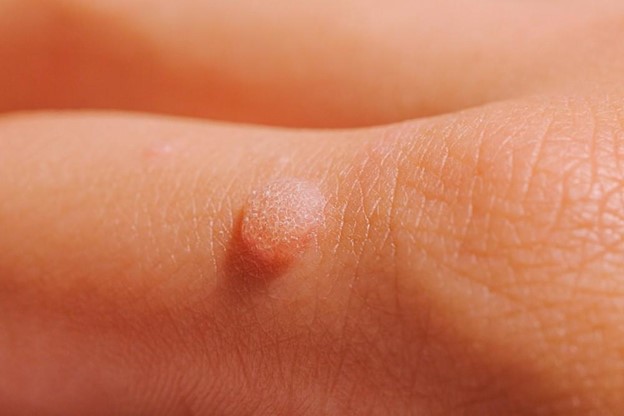
Wart look like?
Warts can vary significantly in their appearance, which sometimes makes them challenging to identify. Here’s what to look for when trying to determine if a growth is a wart:
– Texture: Warts are often rough to the touch, though they can also be smooth, particularly in the case of flat warts.
– Shape and Size: They can appear as small, grainy bumps or larger, cauliflower-like growths. Common warts are usually round or oval and can be as small as a pinhead or as large as a pea.
– Color: Warts are typically the same color as your skin, but they can also be darker or lighter. Plantar warts, found on the soles of the feet, may have a gray or brown hue.
– Number: Warts can appear singly or in clusters. When multiple warts grow in a small area, they can merge to form a larger, mosaic-like pattern.
What causes warts?
Warts are primarily caused by an infection with the human papillomavirus (HPV), a highly contagious virus with numerous strains, each responsible for different types of warts. Here’s a deeper look into the causes and transmission of warts:
– HPV Infection: The virus invades the outer layer of skin, usually through tiny cuts or abrasions. Once inside, HPV causes rapid growth of cells on the outer layer of skin, leading to the formation of a wart.
– Direct Contact: Warts are spread by direct contact with a wart or something that touched a wart. This can happen through personal interactions or by touching objects used by a person with warts, such as towels or workout equipment.
– Autoinoculation: If you have a wart, you can spread it to other parts of your body. Touching the wart and then another part of your body can transport the virus.
– Weak Immune System: Individuals with weakened immune systems are more susceptible to HPV infections, which can lead to the development of warts. This can include people with immune disorders, on immune-suppressing medication, or young children whose immune systems are still developing.
Prevention strategies focus on minimizing direct contact with warts and enhancing immune function through healthy lifestyle choices. Keeping the skin clean and dry, using protective barriers in communal showers, and not sharing personal items like razors can help prevent the spread of the virus.
Are warts contagious?
Yes, warts are contagious. They can spread from person to person through direct contact with a wart or with something that touched a wart, such as towels or surfaces. You can also spread warts from one part of your own body to another through touch.
What is the treatment for warts?
Treatment for warts varies depending on their location and severity:
– Salicylic acid: Available over-the-counter in patches, gels, and liquids. Salicylic acid helps peel the wart away from the skin.
– Cryotherapy: This procedure involves freezing the wart with liquid nitrogen.
– Surgical removal: In persistent cases, a doctor might suggest removing the wart surgically.
– Laser treatment: An option for warts that do not respond to other treatments.
– Immune therapy: Aiming to get the body’s immune system to fight off the warts.
How can I remove warts?
Removing warts often involves either home remedies or professional medical treatments:
– Home treatments: These include applying salicylic acid or duct tape to the wart.
– Professional treatments: Procedures like cryotherapy, laser therapy, or surgical removal performed by a healthcare provider.
It’s important to consult a healthcare provider before starting any treatment to ensure the growth is a wart and not a more serious condition.
Can warts go away on their own?
Yes, many warts will go away on their own, especially in children. However, it can take a long time for the wart to disappear—sometimes a year or more. If the wart causes pain, spreads, or is in a sensitive area, seeking treatment is advisable.
Conclusion
Warts are a common skin issue that, while generally harmless, can be a nuisance. Understanding the causes and options for treatment can help manage and possibly remove warts more effectively. Remember, if you’re unsure about skin growth or if the wart changes in appearance, it’s important to consult a healthcare provider.
FAQs
1- Are all warts caused by the same type of HPV?
No, different types of HPV cause different kinds of warts.
2- Can I prevent warts?
Preventing warts involves reducing your exposure to HPV. Practices like not sharing towels and wearing footwear in communal showers can help.
3- Are warts a sign of a poor immune system?
Not necessarily, but individuals with weakened immune systems may be more prone to developing warts.
4- Do wart removal methods guarantee the wart will not return?
No method guarantees that warts will not reoccur, as the underlying virus may still be present in the body.
Did you find this helpful? Check out our other helpful articles on our website.
Read Also
- Full-Arch Dental Tourism: Why UK Patients With Severe Bone Loss Are Looking Abroad
 Dental implants have become one of the fastest-growing segments of private dentistry. Within that market, one patient group behaves very differently from the rest: people who have been told they do not have enough upper jawbone for conventional implants. For these patients, the choice is rarely between one clinic and another. It is between a… Read more: Full-Arch Dental Tourism: Why UK Patients With Severe Bone Loss Are Looking Abroad
 - Levels of Mental Health Care and When to Seek SupportMental health care can range from occasional outpatient appointments to 24-hour hospital treatment. The appropriate level depends on safety, symptom severity, daily functioning, medical needs, available support, treatment history and personal preferences. A licensed clinician should assess these factors rather than relying on a symptom list alone. Need help now? In the United States, call… Read more: Levels of Mental Health Care and When to Seek Support
- How to Choose a Shilajit Brand Based on the ResearchIn a randomized trial published in the Journal of the International Society of Sports Nutrition in 2019, 63 active men took 250 mg of standardized shilajit, 500 mg, or a placebo every day for eight weeks, and the benefit for strength retention after a fatiguing workout appeared only at 500 mg. For anyone choosing a… Read more: How to Choose a Shilajit Brand Based on the Research
- How to Incorporate Relaxation into Your Busy ScheduleFinding balance when you have a packed daily agenda often feels out of reach. Between work duties, family obligations, and personal projects, personal rest usually gets pushed to the bottom of the list. Small, intentional shifts in daily habits can help restore calm without requiring hours of extra free time. Continue reading to discover everything… Read more: How to Incorporate Relaxation into Your Busy Schedule
- Red Light Therapy for Skin and Wellness: Meet Vital Red Light TherapyModern wellness is not always about complicated treatments or long routines. Many people are now looking for simple, convenient ways to support their skin, recovery, and overall wellness at home. One technology getting more attention is red light therapy. Red light therapy uses specific wavelengths of red and near-infrared light to support the body’s natural… Read more: Red Light Therapy for Skin and Wellness: Meet Vital Red Light Therapy
- Managing Shock Loss After a Hair Transplant: The Financial and Clinical Imperative of Post-Op CareIn the rapidly evolving landscape of private healthcare, executive leadership within cosmetic and restorative surgery clinics faces a dual challenge: maintaining strict clinical standards while maximizing patient lifetime value (LTV) and brand advocacy. As the global medical tourism and elective procedure markets expand, clinical outcome quality alone is no longer the sole differentiator for premium… Read more: Managing Shock Loss After a Hair Transplant: The Financial and Clinical Imperative of Post-Op Care
- Transform Your Skin Health: Premier Gluta IV Therapy in DubaiThis comprehensive guide explores how modern intravenous wellness treatments can help revitalize your complexion, boost immune function, and support overall cellular health. By incorporating modern IV therapy Dubai services into a routine health regimen, individuals can achieve direct nutrient absorption for optimal results. Selecting a customized gluta IV drip Dubai treatment provides targeted antioxidant defense,… Read more: Transform Your Skin Health: Premier Gluta IV Therapy in Dubai
- The Evolution of Dental Prosthetics: Innovation in Oral HealthDental replacements have improved a lot over time. Smiling, chewing, and speaking depend on having healthy teeth. When teeth break or go missing, today’s options can restore both function and confidence. Modern techniques make these replacements feel and look completely natural. Ancient Roots Of Tooth Replacement People have tried to replace lost teeth for thousands… Read more: The Evolution of Dental Prosthetics: Innovation in Oral Health