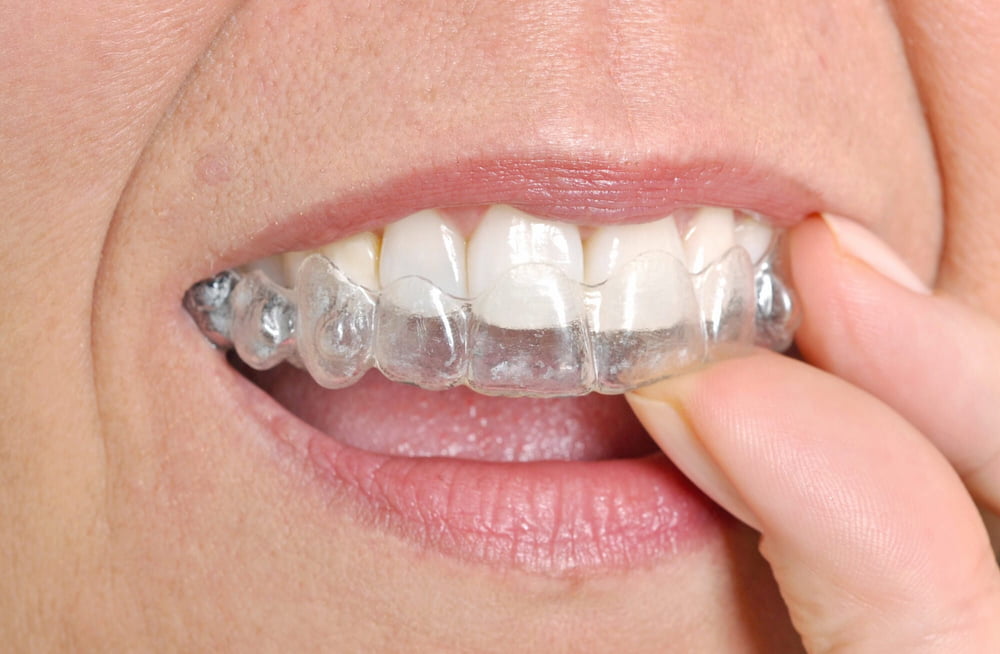
A beautiful smile can boost people’s confidence and leave a lasting impression. However, misaligned teeth can be a source of self-consciousness for many people. Fortunately, advancements in orthodontic treatment have paved the way for more discreet and convenient options. Invisalign, a popular transparent aligner system, offers diverse treatment plans and costs tailored to address unique oral issues and give individuals a flawless smile. This article will explore the benefits of Invisalign, how much does Invisalign cost, and how it can transform your smile.
Understanding the Procedure
Invisalign is a revolutionary orthodontic treatment using clear aligners to straighten teeth effectively. Unlike traditional braces, these trusses are virtually invisible and removable. They are custom-made for each patient using advanced 3D imaging technology, ensuring a precise and comfortable fit.
Diverse Treatment Plans
One of the key advantages of Invisalign is the availability of various treatment plans that can cater to various orthodontic issues. Whether you have crowded teeth, gaps between your teeth, an overbite, an underbite, or a crossbite, this procedure can provide a tailored solution. Orthodontic specialists work with patients to design a treatment plan for their needs and goals.
By utilizing advanced computer software, the procedure allows patients to visualize the expected outcome of their treatment even before it begins. This digital simulation showcases the step-by-step movement of teeth, offering a clear understanding of the treatment process and the final results.
Costs Aligned with Unique Oral Issues
Regarding Invisalign cost, it is important to note that the charges can vary depending on the case’s complexity and the treatment’s duration. Some individuals may require a relatively simple realignment, while others may need more extensive corrections.
The overall cost of this procedure typically includes the following:
- The initial consultation
- The custom-made aligners
- Periodic check-ups
- And any additional treatments that may be required
It is advisable to consult with an orthodontic specialist to understand the costs associated with your specific oral issues.
While the cost may be higher than traditional braces, many patients find the convenience and aesthetics of the clear aligners well worth the investment. Some dental insurance plans may also offer coverage for orthodontic treatment, including Invisalign. Checking with your insurance provider can help you determine the extent of coverage available.
Its Advantages
1- Aesthetics: Invisalign aligners are virtually invisible, making them a discreet option for those who prefer not to draw attention to their orthodontic treatment.
2- Removability: Unlike traditional braces, these clear aligners can be easily removed while drinking, eating, brushing, and flossing. This flexibility allows individuals to maintain proper oral hygiene and enjoy their favorite foods without restrictions.
3- Comfort: Such aligners are made of smooth plastic, which reduces the chances of gum and cheek irritation often associated with traditional braces. Each set of aligners is custom-made to fit snugly and comfortably.
4- Convenience: With these trusses, there are typically fewer visits to the orthodontist than traditional braces. This is because patients receive multiple sets of aligners simultaneously, which they change at home according to the prescribed schedule.
5- Confidence: By addressing oral issues and aligning teeth, Invisalign can enhance your smile, boosting self-confidence and overall well-being.
Conclusion
Invisalign offers diverse treatment plans and costs tailored to address unique oral issues, ultimately providing individuals with flawless smiles. The clear aligners provide a discreet and comfortable orthodontic solution, allowing patients to maintain their confidence throughout treatment. While costs may vary, the procedure’s benefits are evident in its aesthetics, removability, comfort, convenience, and confidence. Please consult an orthodontic specialist to explore whether it is the right choice for you and embark on a journey towards a beautiful, aligned smile.
Read Also
- Full-Arch Dental Tourism: Why UK Patients With Severe Bone Loss Are Looking Abroad
 Dental implants have become one of the fastest-growing segments of private dentistry. Within that market, one patient group behaves very differently from the rest: people who have been told they do not have enough upper jawbone for conventional implants. For these patients, the choice is rarely between one clinic and another. It is between a… Read more: Full-Arch Dental Tourism: Why UK Patients With Severe Bone Loss Are Looking Abroad
 - Levels of Mental Health Care and When to Seek SupportMental health care can range from occasional outpatient appointments to 24-hour hospital treatment. The appropriate level depends on safety, symptom severity, daily functioning, medical needs, available support, treatment history and personal preferences. A licensed clinician should assess these factors rather than relying on a symptom list alone. Need help now? In the United States, call… Read more: Levels of Mental Health Care and When to Seek Support
- How to Choose a Shilajit Brand Based on the ResearchIn a randomized trial published in the Journal of the International Society of Sports Nutrition in 2019, 63 active men took 250 mg of standardized shilajit, 500 mg, or a placebo every day for eight weeks, and the benefit for strength retention after a fatiguing workout appeared only at 500 mg. For anyone choosing a… Read more: How to Choose a Shilajit Brand Based on the Research
- How to Incorporate Relaxation into Your Busy ScheduleFinding balance when you have a packed daily agenda often feels out of reach. Between work duties, family obligations, and personal projects, personal rest usually gets pushed to the bottom of the list. Small, intentional shifts in daily habits can help restore calm without requiring hours of extra free time. Continue reading to discover everything… Read more: How to Incorporate Relaxation into Your Busy Schedule
- Red Light Therapy for Skin and Wellness: Meet Vital Red Light TherapyModern wellness is not always about complicated treatments or long routines. Many people are now looking for simple, convenient ways to support their skin, recovery, and overall wellness at home. One technology getting more attention is red light therapy. Red light therapy uses specific wavelengths of red and near-infrared light to support the body’s natural… Read more: Red Light Therapy for Skin and Wellness: Meet Vital Red Light Therapy
- Managing Shock Loss After a Hair Transplant: The Financial and Clinical Imperative of Post-Op CareIn the rapidly evolving landscape of private healthcare, executive leadership within cosmetic and restorative surgery clinics faces a dual challenge: maintaining strict clinical standards while maximizing patient lifetime value (LTV) and brand advocacy. As the global medical tourism and elective procedure markets expand, clinical outcome quality alone is no longer the sole differentiator for premium… Read more: Managing Shock Loss After a Hair Transplant: The Financial and Clinical Imperative of Post-Op Care