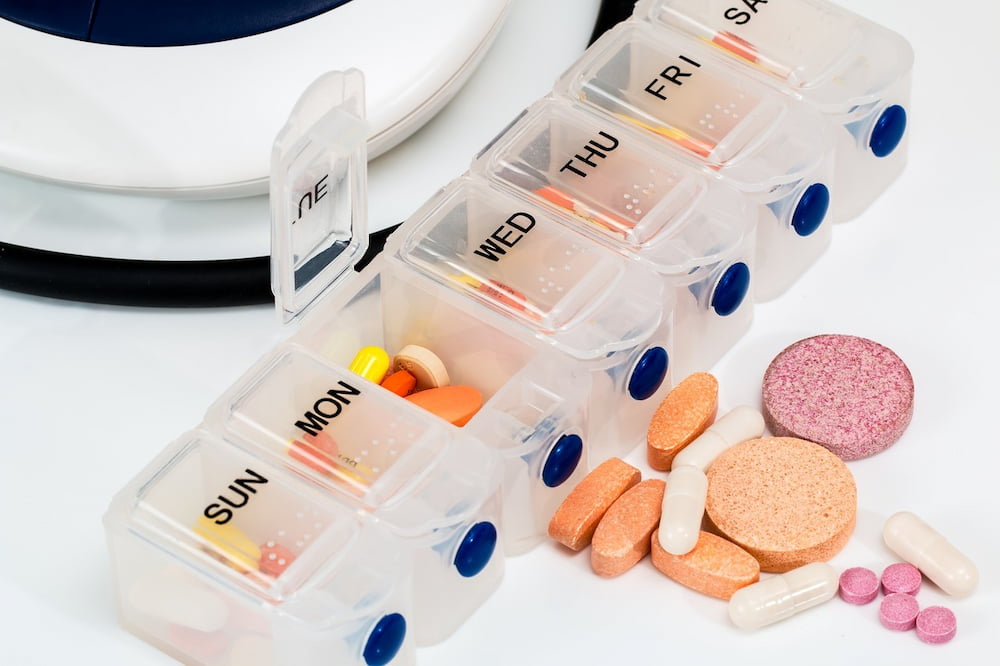
Getting all the nutrition we need solely from our diets is not always easy. This is especially true if we aren’t eating the right foods or have more dietary restrictions. But healthy aging whether you are a child or an adult requires getting proper vitamins and minerals into your system daily.
That is why the supplement and health industry is so big. But not all supplements are good for you or made with the best ingredients. Sometimes even when they are clean, our bodies don’t absorb them well. Consider the example of UMZU’s nitric oxide booster! Completely natural and quality ingredients. You don’t have to worry about things snuck in there.
This is why looking at natural supplements can be the best option. There are tons of benefits and they add tremendous value to our lifestyle.
Understanding What Natural Supplements Are
Natural supplements are products made from completely natural ingredients. This includes such herbs, vitamins, minerals, or other botanicals. These supplements can come as a pill, capsule, or powder and can be bought over the counter since they are natural.
The key is that the ingredients are not chemically synthesized like pharmaceutical drugs. It’s a more holistic approach to health and wellness.
Benefits of Adding Natural Supplements To Your Routine
– Natural supplements help us fill nutritional gaps in our diets. It’s incredibly difficult to get all the nutritional vitamins and minerals we need from our food. This is especially true if you aren’t eating a farm-to-table diet.
– We can look to many different natural supplements that help fight off disease and boost our immune systems. A few to consider are vitamin C, zinc, and echinacea. They all are immune boosters.
– Chronic inflammation has been linked to a number of health problems, including heart disease, arthritis, and diabetes. Omega-3 fatty acids, turmeric, and ginger have anti-inflammatory properties that can reduce the amount of inflammation our bodies take on.
Some natural supplements such as chamomile, valerian root, and magnesium are great destressors. Stress, as we get older, is a major contributor to health issues.
– Probiotics and digestive enzymes are great for our gut health. When we have a healthy gut it impacts other areas positively such as mood.
Examples of Natural Supplements
While we have named a few natural supplements to consider, let’s take a deeper dive. It’s important to know that taking natural supplements on their own will not fill the nutritional gaps. Supplementing them with a healthy diet that is balanced as well as regular exercise is critical.
1. Multivitamins are one of the most common supplements. They are a combination of different vitamins and minerals that is like a one-stop shop. It’s important to find high-quality options with natural ingredients because not all multivitamins are natural.
2. We mentioned Omega-3 fatty acids above. They are essential fats that play a big role in brain function, heart health, and reducing inflammation in the body. The most common sources can be found in fish oil supplements or if you are vegan, flaxseeds and chia seeds.
3. Probiotics are necessary for your digestive system. They are live bacteria that aid in helping digestion. Mostly you will find them in fermented foods like yogurt or taken as a supplement.
4. Vitamin D levels fall in the winter. Having enough vitamin D is important for healthy bones and a strong immune system.
5. Magnesium is a mineral that assists in many bodily functions, including nerve and muscle function, blood sugar control, and energy production.
6. Adaptogens are your de-stressors. They are often herbs that can help the body adapt to stress and are an overall wellness supplement. Consider ashwagandha, Rhodiola, and ginseng.
7. Green tea extract has powerful antioxidants. Taking this can help support cardiovascular health, brain function, and weight management.
It’s important to remember that adding any supplements whether natural or not, to consult with your doctor. While natural supplements don’t normally pose an issue with medications, ensuring your current diet will adjust well to the addition of any supplement is important for your health and safety.
Understanding Your Diet and Natural Supplements
Taking natural supplements is the idea that you can piggyback off a good diet to top off what you aren’t getting. Imagine that you are looking to get 100% of the needed amount of Omega 3 fatty acids. Let’s say eating fish gets you 70% there. Taking a natural supplement can give you the missing 30%.
This is the primary role and function of taking all-natural supplements. When you ingest them by themselves a poor diet won’t help you fill the gaps. It will be better than getting no nutrition at all but our primary intake is through food.
Start exploring where you can squeeze in different natural supplements. This is the easiest way to get started.
Read Also
- Top Trends Shaping the Future of Mental Health Care
 Mental health care is moving fast to meet daily human needs. People want direct care that fits modern life. Clinics respond by creating flexible options that make healing easier to reach. Providers look past rigid habits to give people solid care. From smart tools to body wellness, these changes help people find relief when life… Read more: Top Trends Shaping the Future of Mental Health Care
 - Full-Arch Dental Tourism: Why UK Patients With Severe Bone Loss Are Looking AbroadDental implants have become one of the fastest-growing segments of private dentistry. Within that market, one patient group behaves very differently from the rest: people who have been told they do not have enough upper jawbone for conventional implants. For these patients, the choice is rarely between one clinic and another. It is between a… Read more: Full-Arch Dental Tourism: Why UK Patients With Severe Bone Loss Are Looking Abroad
- Levels of Mental Health Care and When to Seek SupportMental health care can range from occasional outpatient appointments to 24-hour hospital treatment. The appropriate level depends on safety, symptom severity, daily functioning, medical needs, available support, treatment history and personal preferences. A licensed clinician should assess these factors rather than relying on a symptom list alone. Need help now? In the United States, call… Read more: Levels of Mental Health Care and When to Seek Support
- How to Choose a Shilajit Brand Based on the ResearchIn a randomized trial published in the Journal of the International Society of Sports Nutrition in 2019, 63 active men took 250 mg of standardized shilajit, 500 mg, or a placebo every day for eight weeks, and the benefit for strength retention after a fatiguing workout appeared only at 500 mg. For anyone choosing a… Read more: How to Choose a Shilajit Brand Based on the Research
- How to Incorporate Relaxation into Your Busy ScheduleFinding balance when you have a packed daily agenda often feels out of reach. Between work duties, family obligations, and personal projects, personal rest usually gets pushed to the bottom of the list. Small, intentional shifts in daily habits can help restore calm without requiring hours of extra free time. Continue reading to discover everything… Read more: How to Incorporate Relaxation into Your Busy Schedule
- Red Light Therapy for Skin and Wellness: Meet Vital Red Light TherapyModern wellness is not always about complicated treatments or long routines. Many people are now looking for simple, convenient ways to support their skin, recovery, and overall wellness at home. One technology getting more attention is red light therapy. Red light therapy uses specific wavelengths of red and near-infrared light to support the body’s natural… Read more: Red Light Therapy for Skin and Wellness: Meet Vital Red Light Therapy