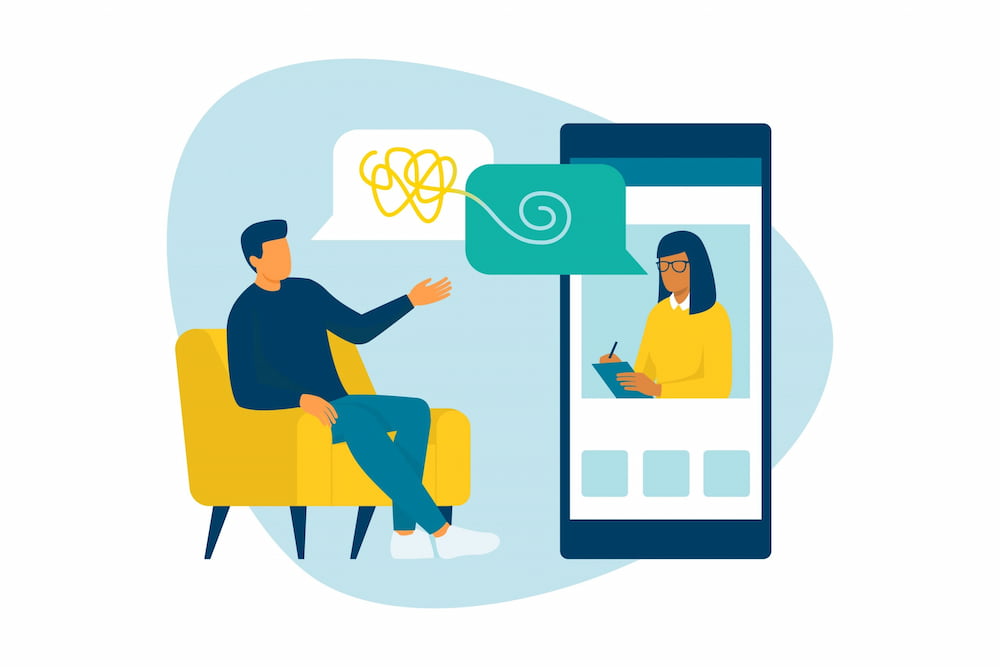
Good mental health helps you enjoy life and deal effectively with its challenges.Without mental wellness, you may be unable to realise your full potential and play an active part in affairs of day to day life.
That said, a mental disorder is nothing to be ashamed of. It should be treated as a medical condition just like any other disease,those that are completely curable and individuals with such issues have been known to live normal lives for many years thereafter.
Role of Mental Health Apps
Mental health applications are easily accessible to those suffering from any mental ailment and offer an excellent solution, especially to people who are unable to attend in-person treatment.
App developers should therefore aim to provide a safe and secure place to the patients from where they can access treatment, not only anonymously but at a lower cost.
Furthermore, developers should strive to provide a haven to the user by following the regulatory guidelines for their apps which are a critical aspect of development of the app.
In other words, encryptions, HIPAA compliance or GDPR privacy standards should form an integral part of mental health app development.
Benefits and Limitations of Mental Health Apps
Since more than half the traffic on the web comprises mobile users, it makes it easy for businesses to offer applications to their users for accessing mental health services.
This, in turn,allows the health care provider to conveniently check and track the progress of the mental health issue of their patients as well as reducing the workload of the psychiatrists and therapists since the apps can help them handle multiple queries at the same time.
Health care professionals and facilities that use smartphone app services can handle emergency cases more efficiently, speed up the treatment procedure which can turn out to be a lifesaver in a crisis situation.
Encouragement to adopt a healthy lifestyle, easier communication, improved appointment scheduling and counseling are some other key benefits of mental health apps.
While these signs are encouraging, there are potential barriers and challenges to the widespread use of mobile health applications.
Even though more and more people are turning to mental health apps to access their services, there is very little data available about the current state of the app market.
Apart from this issue the information provided by the health care apps can vary from app to app. Since different apps use different methods to analyse data,the accuracy of data can become a cause for concern.
Internet accessibility,high cost of a smartphone and lack of regulatory approval are other key factors limiting the penetration of mobile health apps in the market and hampering their demand.
What Special Services Can Health Smartphone Apps Offer Patients?
The ever increasing adoption of mobile health technology is unprecedented in the history of medicine. Every month researchers and companies release new smartphone apps for the healthcare market.
Digital trends reveal that an increasing number of patients are turning to their smartphones more than ever before not only for health advice but to keep a track of their overall fitness levels as well.
A tailor-made healthcare application can be designed to cater to the individual need of the patient, offer a personalized treatment experience by taking in account each individual’s unique medical history and preferences.
Mobile healthcare applications can allow patients to access their treatment plans, medical records and educational resources in order to promote active engagement in their journey towards better health.
Using mental health apps patients can easily manage and track their health records, monitor progress,set timely reminders for medicine and receive feedback from their health care professionals.
Mental Health Apps for Specific Conditions
Those seeking mental health support today, have the option to choose between six types of smartphone health care products.
All the apps listed below differ in use. While some offer symptom and mood monitoring others provide exercise and lessons while some target therapeutic modalities and psychiatric ailments.
A) Platforms designed to offer online therapy intervention for specific mental disorder conditions like autism, anxiety, depression and others.These apps are often used in conjunction with guidance from a health care provider.
Ex: Ayana Therapy, BetterHelp, Talkspace and more.
B) Apps that offer mindfulness training and meditation practices for the overall well-being of the user by increasing focus and calm.
Ex: Headspace,Calm,Insight Timer
C) Some apps function like a platform for licensed mental health professionals to conduct sessions in therapy with their clients. These apps can be useful for both individuals and whole organizations as well.
Ex: Mindgram, MyChart, VisualD
D ) Apps that offer relaxation provide their users with a variety of meditation themes like relaxing music and other ways to help you feel relaxed throughout the day. Themes include bird songs,nature sounds and white noises like wind,rain and fire.
Ex: Relax,4 Relax,Ten Percent Happier etc
E) Apps for mood tracking cannot diagnose mental health issues,the mood-tracking tools can help monitor your mood and give you a good insight on the stresses that trigger such negative thoughts and emotions.
Ex: Moodfit,Worry Watch,MoodTools etc
F) Apps for breathing exercises help to keep thoughts organized and calm our busy minds with short but guided breathing sessions. These apps are an excellent aid,both for new users and experienced enthusiasts also.
Ex: Exhale,Aura,Unplug etc.
Wrapping it up
Mental health apps can provide tools to regulate the different aspects of wellness like, anxiety,depression,mood,sleep etc,but in no way can replace a real-time doctor.
However, they can come in handy to connect users with a licensed health care provider, check for symptoms and get advice on the next step forward.
Read Also
- What Makes Permanent Tooth Replacement A Life-Changing Option?
 Missing teeth can cause serious discomfort and lower your self-esteem. Many people struggle with everyday tasks like eating meals and speaking clearly to friends. Traditional dentures offer a quick fix but often slip or feel completely unnatural. A modern approach provides a secure fit that feels exactly like real teeth – giving you true peace… Read more: What Makes Permanent Tooth Replacement A Life-Changing Option?
 - Where to Find Reliable Mental Health Support for TeensHave you noticed changes in your teen’s mood, sleep, or behavior that leave you worried? Growing up can bring stress from school, friends, family, and new demands. Some teens may struggle to share their feelings or ask for help, even when they need support. Finding the right mental health support for teens can help them… Read more: Where to Find Reliable Mental Health Support for Teens
- Top Trends Shaping the Future of Mental Health CareMental health care is moving fast to meet daily human needs. People want direct care that fits modern life. Clinics respond by creating flexible options that make healing easier to reach. Providers look past rigid habits to give people solid care. From smart tools to body wellness, these changes help people find relief when life… Read more: Top Trends Shaping the Future of Mental Health Care
- Full-Arch Dental Tourism: Why UK Patients With Severe Bone Loss Are Looking AbroadDental implants have become one of the fastest-growing segments of private dentistry. Within that market, one patient group behaves very differently from the rest: people who have been told they do not have enough upper jawbone for conventional implants. For these patients, the choice is rarely between one clinic and another. It is between a… Read more: Full-Arch Dental Tourism: Why UK Patients With Severe Bone Loss Are Looking Abroad
- Levels of Mental Health Care and When to Seek SupportMental health care can range from occasional outpatient appointments to 24-hour hospital treatment. The appropriate level depends on safety, symptom severity, daily functioning, medical needs, available support, treatment history and personal preferences. A licensed clinician should assess these factors rather than relying on a symptom list alone. Need help now? In the United States, call… Read more: Levels of Mental Health Care and When to Seek Support