


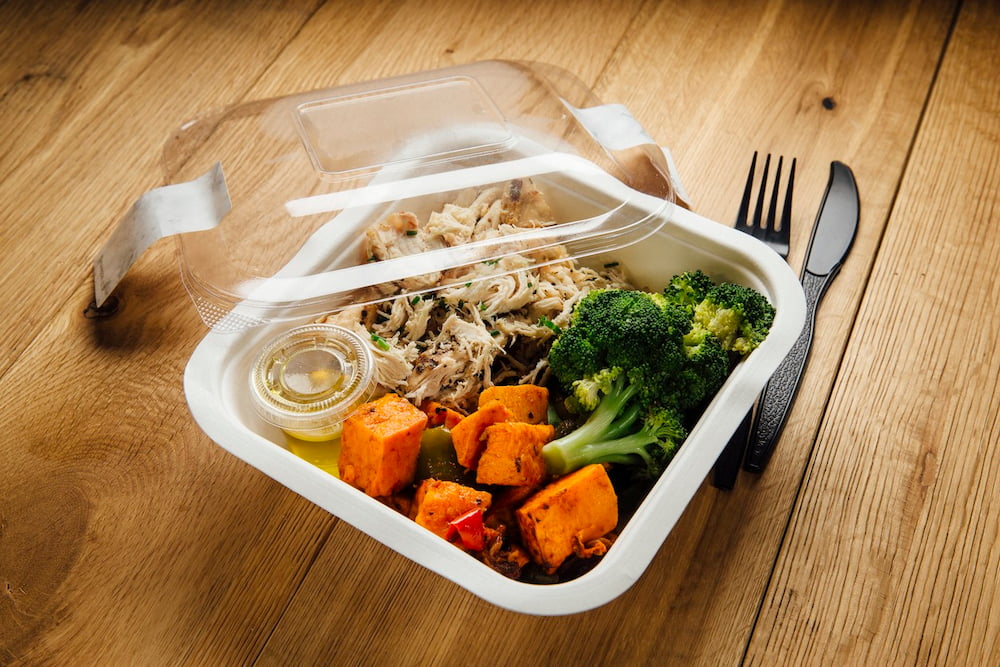
Self-heating food packaging uses an exothermic chemical reaction to generate heat, allowing you to enjoy a warm meal without the need for a microwave or other heat source. These packages typically contain a heating element, such as a metal container, that reacts with water or air to produce heat.
Some self-heating food packaging uses a flameless heating system, making it safer to use in public places. They are convenient for people on the go, camping, or in other outdoor activities where access to a heat source is limited.
Self-heating packaging is used to heat up food and beverages. To use, the user typically needs to activate the heating element, which can be done by adding water, pressing a button, or opening a valve. The heat generated by the chemical reaction warms up the food or drink inside the package, making it ready to consume.
The packaging can also serve as a container for the food, making it a convenient solution for people on the go or in outdoor activities where access to heat and eating utensils is limited. Some examples of food that can be heated using self-heating packaging include soups, pasta, rice, and hot drinks.
Benefits of Self-Heating Packaging
Self-heating packaging offers several benefits, including:
– Convenience
The ability to have a hot meal without access to a microwave or stove makes self-heating packaging ideal for people on the go, in outdoor activities, or in places without access to a heat source.
– Portability
The packaging serves as both a container and heating element, making it easy to carry and store. Additions like tear notches and reclosable zippers maximizes portability.
– Safety
Some self-heating packaging uses flameless heating systems, making it safer to use in public places.
– Long shelf life
Self-heating packaging can help extend the shelf life of perishable food items.
– Environmentally friendly
Some self-heating packaging is made with biodegradable materials, reducing waste and helping to protect the environment.
– Versatility
Self-heating packaging can be used to heat a variety of food items, including soups, pasta, rice, and hot drinks.
– Ease of use
Self-heating packaging is typically easy to activate, requiring only a few simple steps.
Ready Foods Market
The self-heating food packaging market is expected to grow in the coming years due to increasing demand for convenient packaged meals. People’s busy lifestyles, long working hours, and desire for quick and easy meal options are driving the growth of this market. In response, food packaging companies are continuously innovating to meet consumer demands.
Currently, self-heating food packaging is available online and in certain regions of the East, but it is predicted to become more widespread in the future, including in the Western world. The ready meals market has seen significant growth in the US and Europe in recent years and is expected to continue to grow at a CAGR of over 4%.
Over to You
Additionally, self-heating packaging is becoming more environmentally friendly, using biodegradable materials and helping to reduce waste. If you are a business that wants to reap all the benefits of packaging with convenience factors, talk to a professional food packaging company and finalize your spec.
The growing demand for convenient and easy-to-use meal solutions has led to significant growth in the ready meals market and the innovation of self-heating food packaging.
Read Also
- Top Trends Shaping the Future of Mental Health Care
 Mental health care is moving fast to meet daily human needs. People want direct care that fits modern life. Clinics respond by creating flexible options that make healing easier to reach. Providers look past rigid habits to give people solid care. From smart tools to body wellness, these changes help people find relief when life… Read more: Top Trends Shaping the Future of Mental Health Care
 - Full-Arch Dental Tourism: Why UK Patients With Severe Bone Loss Are Looking AbroadDental implants have become one of the fastest-growing segments of private dentistry. Within that market, one patient group behaves very differently from the rest: people who have been told they do not have enough upper jawbone for conventional implants. For these patients, the choice is rarely between one clinic and another. It is between a… Read more: Full-Arch Dental Tourism: Why UK Patients With Severe Bone Loss Are Looking Abroad
- Levels of Mental Health Care and When to Seek SupportMental health care can range from occasional outpatient appointments to 24-hour hospital treatment. The appropriate level depends on safety, symptom severity, daily functioning, medical needs, available support, treatment history and personal preferences. A licensed clinician should assess these factors rather than relying on a symptom list alone. Need help now? In the United States, call… Read more: Levels of Mental Health Care and When to Seek Support
- How to Choose a Shilajit Brand Based on the ResearchIn a randomized trial published in the Journal of the International Society of Sports Nutrition in 2019, 63 active men took 250 mg of standardized shilajit, 500 mg, or a placebo every day for eight weeks, and the benefit for strength retention after a fatiguing workout appeared only at 500 mg. For anyone choosing a… Read more: How to Choose a Shilajit Brand Based on the Research
- How to Incorporate Relaxation into Your Busy ScheduleFinding balance when you have a packed daily agenda often feels out of reach. Between work duties, family obligations, and personal projects, personal rest usually gets pushed to the bottom of the list. Small, intentional shifts in daily habits can help restore calm without requiring hours of extra free time. Continue reading to discover everything… Read more: How to Incorporate Relaxation into Your Busy Schedule
- Red Light Therapy for Skin and Wellness: Meet Vital Red Light TherapyModern wellness is not always about complicated treatments or long routines. Many people are now looking for simple, convenient ways to support their skin, recovery, and overall wellness at home. One technology getting more attention is red light therapy. Red light therapy uses specific wavelengths of red and near-infrared light to support the body’s natural… Read more: Red Light Therapy for Skin and Wellness: Meet Vital Red Light Therapy






