


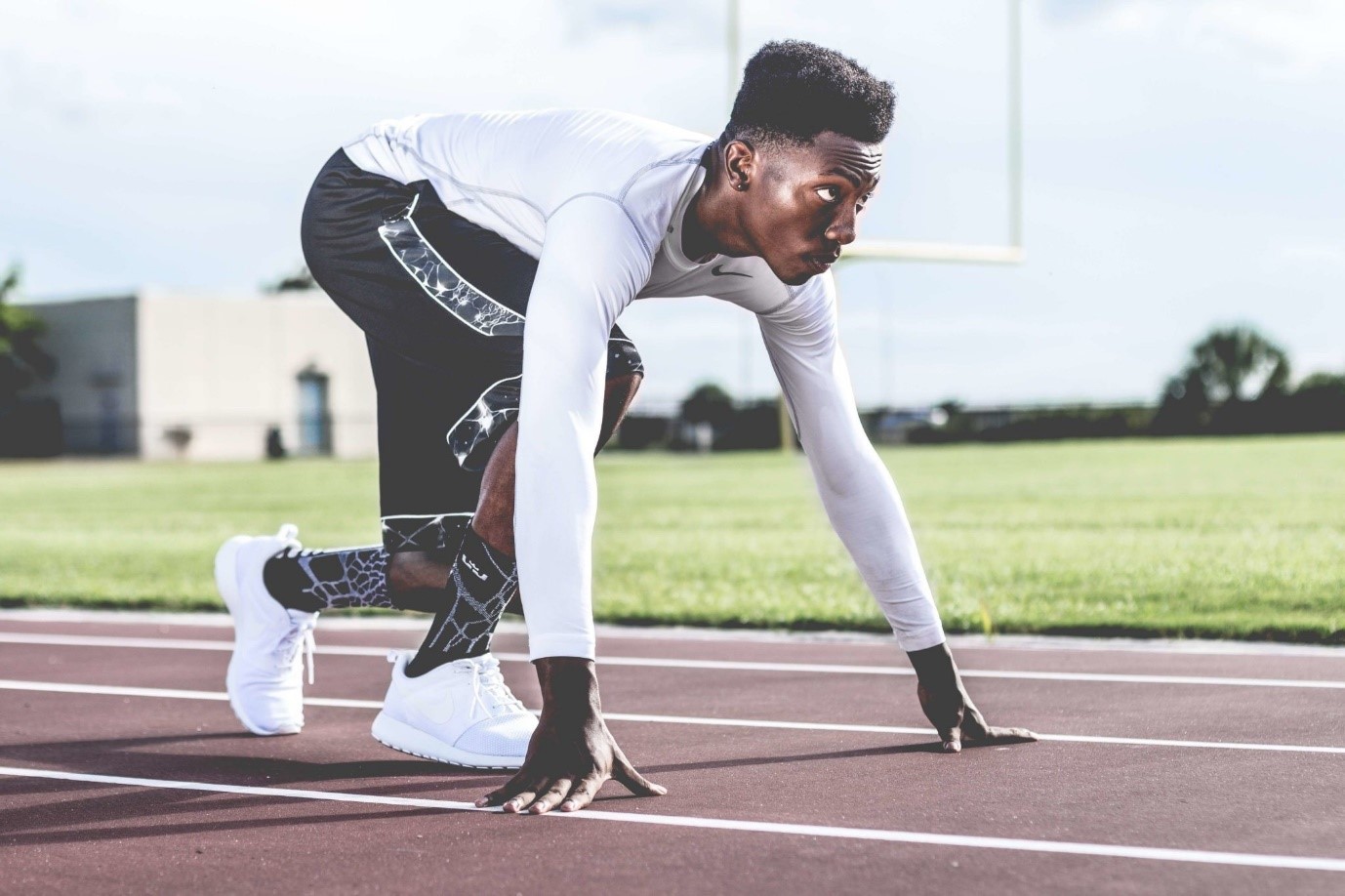
Every athlete dreams of achieving peak performance every time they compete. However, maintaining your athletic performance requires a lot of hard work, commitment, and consistency. At times, you may struggle to maintain your tempo and experience a decline in performance.
Fortunately, improving your athletic performance is now easier than ever. In this article, we’ll look at some of the most effective ways to improve athletic performance without jeopardizing physical or mental health. Whether you want to increase your performance or attain perfection in your sport, these suggestions will offer you a comprehensive roadmap to develop your endurance and strength and perform at your best in sports.
1. Use Safe and Tested Peptides and Supplements
If you’re a professional athlete, you already know the importance of peptides and supplements to increase endurance and strength and maintain your athletic performance. Peptides contain stimulants that regulate your hormones and accelerate the muscle-building process. Some peptides can be used before or after a workout to boost recovery and muscle growth, while others can be consumed at different times throughout the day to regulate growth hormones. However, you need to ensure the peptides you add to your diet are safe and tested by a third party.
To help achieve your fitness and performance goals, we recommend safe and effective sports products by Sports Technology Labs that are scientifically formulated to support and boost athletic performance. These products are tested by a third party in the US and help you increase your muscle mass, reduce your recovery time, and improve endurance.
However, before choosing a peptide, it’s imperative to consult your healthcare advisor or sports medicine specialist.
2. Track and Measure Your Athletic Performance
Before you set your performance and fitness goals, it’s important to assess your current performance by measuring the key dimensions of athletic performance. These dimensions include:
- Your skill level and your ability to think strategically during a sport
- Your muscular strength is associated with your performance. Greater muscular strength directly translates into better performance in sports
- Your athletic endurance is measured by the time you can perform optimally without getting exhausted or drained
- Your ability to recover or bounce back both physically and mentally from a strenuous athletic performance
Other than that, you or your coach or trainer should measure other sport-related performance measures such as height, weight, speed, reflexes, etc. Once you measure your current performance dimensions, you can easily identify areas that need performance and work on these areas to boost your athletic performance.
You can find a range of devices and wearables that can help you track your performance indicators during workouts. It’s best to invest in an advanced wearable that keeps track of your performance throughout the workout session and provides a complete history so you can compare your performance each day and track your progress.
3. Fulfill Nutrition Requirements
Food is like fuel for every athlete. However, eating a balanced diet may not be enough to boost your athletic performance. Your body requires the right nutrients to increase muscle length, power your workouts, and help you recover fast. This is why you should work with your nutritionist to create strict and targeted diet plans that include the right amount of proteins and amino acids to build and maintain your muscle mass and the optimum levels of carbohydrates according to your weight, activity, and sport type.
To boost your performance, it is essential to kickstart your day with a perfect balance of carbs, proteins, and healthy fats to fuel your muscles and prepare your body for vigorous activities throughout the day. Moreover, you must avoid sugary foods high in plain carbs and fried items with excessive unhealthy fats.
Timing is another important component when planning your meals. Ensure you eat at least 3 to 4 hours before hitting the gym and prefer eating high-protein meals during the daytime. To enhance your recovery after workouts, make sure you replenish your body with plenty of complex carbs and lean proteins. The ideal food proportion to boost recovery is two portions of complex carbs to one portion of protein.
4. Make Hydration a Priority
As an athlete, you may already be well aware of the importance of hydration before, during, and after workouts. Your body loses fluids quickly as you sweat during workouts and training sessions. If your body lacks an adequate amount of fluids, it can lead to a decrease in blood volume. This can, in turn, drop the levels of oxygen and nutrients in your muscles, resulting in muscle cramps, decreased endurance, and prolonged recovery time.
Dehydration can also affect your ability to concentrate and make strategic decisions, which can severely affect your performance in fast-paced sports that require quick thinking and powerful reflexes. This is why keeping yourself well-hydrated before, during, and after training sessions and extreme sports is important.
However, ensure you’re not drinking too much water before you start working out, as it can cause nausea and bloating. On average, your body can lose up to 2 liters of water per hour during intense workouts, which means you should drink between 1 to 2 liters of water an hour during your workout session.
5. Bring a Variation to Your Workouts
Boosting your athletic performance requires more than just doing repetitive exercises or engaging in targeted workouts. You need to train your muscles and tone your entire body for increased endurance and strength. The best way to do that is to try out various exercises, from basic cardio to stretching exercises, weight-lifting, functional exercises, etc.
Functional exercises challenge your muscles in various ways and help you improve your reaction time and speed. When you engage in a mix of exercises, you not only increase your muscle strength but also condition your entire body to respond to different situations, prevent injuries, and boost your overall performance.
6. Work on Increasing Your Mental Strength
Endurance in any sport is not solely related to your muscle strength and the ability to recover quickly from strenuous performance. Your mind plays a critical role in enhancing your endurance, playing your game strategically, and making split-second decisions to bounce back from a performance dip. If you want to boost your athletic performance, you need to start training your brain. This includes using visual stimulants to improve your reaction time, reflexes, and accuracy of maneuvers. You can also work with your trainer or coach to plan targeted exercises that improve cognitive performance and memory, increase focus, and enhance visual accuracy.
Wrapping Up
The tips above are a complete guideline for anyone looking to increase their athletic performance without jeopardizing their health. However, before making any modifications to your routine, you should confer with your complete team, which includes your healthcare adviser, medicine specialist, nutritionist, and trainer or coach.
Read Also
- Top Trends Shaping the Future of Mental Health Care
 Mental health care is moving fast to meet daily human needs. People want direct care that fits modern life. Clinics respond by creating flexible options that make healing easier to reach. Providers look past rigid habits to give people solid care. From smart tools to body wellness, these changes help people find relief when life… Read more: Top Trends Shaping the Future of Mental Health Care
 - Full-Arch Dental Tourism: Why UK Patients With Severe Bone Loss Are Looking AbroadDental implants have become one of the fastest-growing segments of private dentistry. Within that market, one patient group behaves very differently from the rest: people who have been told they do not have enough upper jawbone for conventional implants. For these patients, the choice is rarely between one clinic and another. It is between a… Read more: Full-Arch Dental Tourism: Why UK Patients With Severe Bone Loss Are Looking Abroad
- Levels of Mental Health Care and When to Seek SupportMental health care can range from occasional outpatient appointments to 24-hour hospital treatment. The appropriate level depends on safety, symptom severity, daily functioning, medical needs, available support, treatment history and personal preferences. A licensed clinician should assess these factors rather than relying on a symptom list alone. Need help now? In the United States, call… Read more: Levels of Mental Health Care and When to Seek Support
- How to Choose a Shilajit Brand Based on the ResearchIn a randomized trial published in the Journal of the International Society of Sports Nutrition in 2019, 63 active men took 250 mg of standardized shilajit, 500 mg, or a placebo every day for eight weeks, and the benefit for strength retention after a fatiguing workout appeared only at 500 mg. For anyone choosing a… Read more: How to Choose a Shilajit Brand Based on the Research
- How to Incorporate Relaxation into Your Busy ScheduleFinding balance when you have a packed daily agenda often feels out of reach. Between work duties, family obligations, and personal projects, personal rest usually gets pushed to the bottom of the list. Small, intentional shifts in daily habits can help restore calm without requiring hours of extra free time. Continue reading to discover everything… Read more: How to Incorporate Relaxation into Your Busy Schedule
- Red Light Therapy for Skin and Wellness: Meet Vital Red Light TherapyModern wellness is not always about complicated treatments or long routines. Many people are now looking for simple, convenient ways to support their skin, recovery, and overall wellness at home. One technology getting more attention is red light therapy. Red light therapy uses specific wavelengths of red and near-infrared light to support the body’s natural… Read more: Red Light Therapy for Skin and Wellness: Meet Vital Red Light Therapy