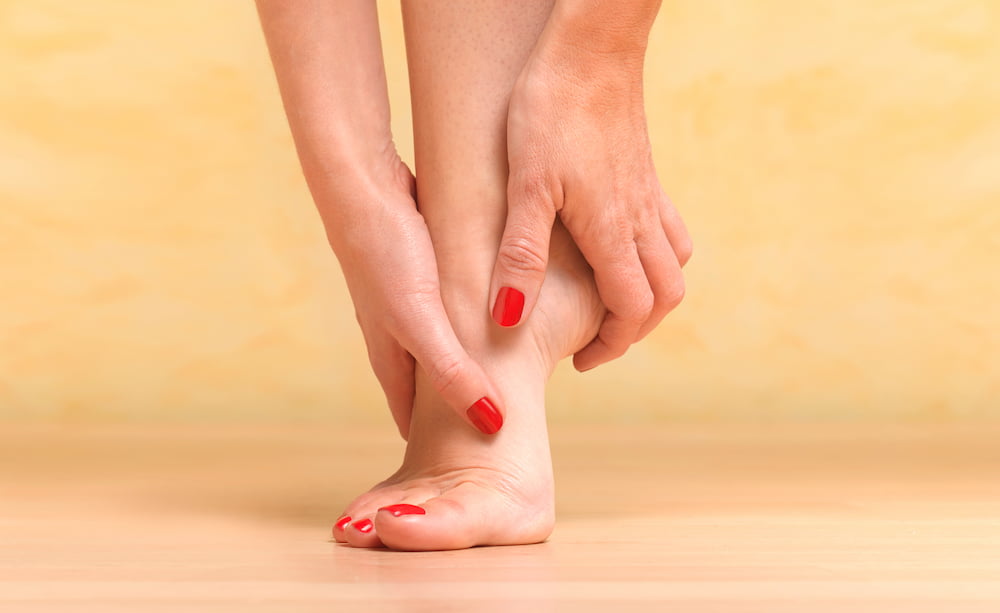
Between standing, walking and exercising, our feet can become tired or sore after a while. While you should always seek professional medical help should symptoms be severe, there are some natural or at-home solutions you can try to help reduce the pain.
Here we’ve come up with four remedies to help relieve the soreness in your feet and have you back to normal in no time.
Walking Barefoot
Ditching your everyday shoes can be highly beneficial for improving foot circulation and aiding the nourishment of muscles, bones and nerves. It can also ease and reduce swelling.
In addition, it has the potential to improve the strength and flexibility of the ligaments and muscles of the foot. This has been linked to an improvement in posture and balance and a reduction in injuries.
Start walking barefoot on soft surfaces like grass, sand and carpet, so as not to injure the feet further. If it’s a nice dry day outside, go for a short walk outside and stop if you begin to feel any pain. If you don’t feel comfortable walking totally barefoot, a pair of barefoot shoes can alleviate this problem whilst still providing the same benefits.
Soak the Feet
Soaking the feet in a warm foot bath can be soothing, so long as the water isn’t too hot. Adding Epsom salts can help to relieve sore muscles and can also reduce any swelling. You can make an Epsom foot bath by simply adding one cup of Epsom salts to lukewarm water.
Submerge the feet and soak for around 20 minutes. Make sure to properly moisturise the feet afterward to ensure they don’t become irritated or cracked.
Stretch and Repeat
Doing some basic stretching each day can help to reduce soreness. You can target specific areas like the heel or your toes or you can focus on the entire foot. The following exercises are great for increasing flexibility and reducing cramping:
– Flex the toes, pointing them outward and curl them for a few seconds. Aim to repeat this ten times
– Sit down and extend your legs. Move the toes around. Point the toes toward your body and then away. Then, move the ankles in clockwise and anti-clockwise circles
– Stretch the feet by moving your weight from your heel to your toes. Do this by lifting the back of your feet off the ground using the front while standing
The RICE Method
If your foot pain is a result of injury, RICE may be necessary. This is particularly beneficial for ankle sprains. These simple self-care steps are effective in reducing pain and swelling and speeding up the healing process:
Rest – Make sure to take pressure off the injured foot to avoid further injury
Ice – Apply an ice pack to the injured area and leave for 20 minutes
Compression – Use an elastic wrap to prevent and control swelling
Elevation – Raise the foot and ankle slightly, if possible, to avoid swelling
Read Also
- Levels of Mental Health Care and When to Seek Support
 Mental health care can range from occasional outpatient appointments to 24-hour hospital treatment. The appropriate level depends on safety, symptom severity, daily functioning, medical needs, available support, treatment history and personal preferences. A licensed clinician should assess these factors rather than relying on a symptom list alone. Need help now? In the United States, call… Read more: Levels of Mental Health Care and When to Seek Support
 - How to Choose a Shilajit Brand Based on the ResearchIn a randomized trial published in the Journal of the International Society of Sports Nutrition in 2019, 63 active men took 250 mg of standardized shilajit, 500 mg, or a placebo every day for eight weeks, and the benefit for strength retention after a fatiguing workout appeared only at 500 mg. For anyone choosing a… Read more: How to Choose a Shilajit Brand Based on the Research
- How to Incorporate Relaxation into Your Busy ScheduleFinding balance when you have a packed daily agenda often feels out of reach. Between work duties, family obligations, and personal projects, personal rest usually gets pushed to the bottom of the list. Small, intentional shifts in daily habits can help restore calm without requiring hours of extra free time. Continue reading to discover everything… Read more: How to Incorporate Relaxation into Your Busy Schedule
- Red Light Therapy for Skin and Wellness: Meet Vital Red Light TherapyModern wellness is not always about complicated treatments or long routines. Many people are now looking for simple, convenient ways to support their skin, recovery, and overall wellness at home. One technology getting more attention is red light therapy. Red light therapy uses specific wavelengths of red and near-infrared light to support the body’s natural… Read more: Red Light Therapy for Skin and Wellness: Meet Vital Red Light Therapy
- Managing Shock Loss After a Hair Transplant: The Financial and Clinical Imperative of Post-Op CareIn the rapidly evolving landscape of private healthcare, executive leadership within cosmetic and restorative surgery clinics faces a dual challenge: maintaining strict clinical standards while maximizing patient lifetime value (LTV) and brand advocacy. As the global medical tourism and elective procedure markets expand, clinical outcome quality alone is no longer the sole differentiator for premium… Read more: Managing Shock Loss After a Hair Transplant: The Financial and Clinical Imperative of Post-Op Care
- Transform Your Skin Health: Premier Gluta IV Therapy in DubaiThis comprehensive guide explores how modern intravenous wellness treatments can help revitalize your complexion, boost immune function, and support overall cellular health. By incorporating modern IV therapy Dubai services into a routine health regimen, individuals can achieve direct nutrient absorption for optimal results. Selecting a customized gluta IV drip Dubai treatment provides targeted antioxidant defense,… Read more: Transform Your Skin Health: Premier Gluta IV Therapy in Dubai