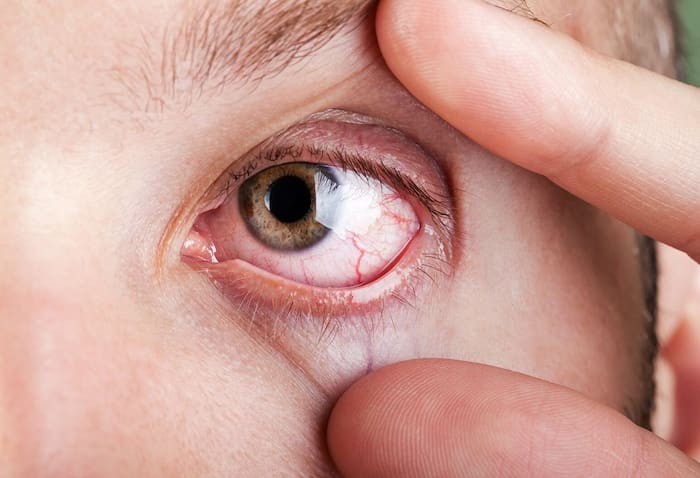
Eye conditions can vary in symptoms, intensity, and severity. It’s important to familiarize yourself with different eye conditions and their treatments. If you experience visual impairment or discomfort, visit an optometrist or ophthalmologist for examination and diagnosis. Medical procedures, such as laser surgery or corneal transplantation, may be recommended. Gibran Khurshid MD, will discuss eye conditions, indications, treatments, and traditional surgery options to help you make informed decisions.
Overview Of Eye Conditions And How They Can Affect Vision
The eye is a delicate and complex organ that plays a crucial role in our ability to perceive and interact with the world. Many eye conditions can impact our visual function and affect our quality of life. Some conditions, such as refractive errors like nearsightedness and farsightedness, can be corrected with glasses or contact lenses.
Others, like cataracts or glaucoma, require surgical intervention. Some conditions, like macular degeneration or diabetic retinopathy, can lead to permanent vision loss if not managed properly. By understanding the various eye conditions and their symptoms, we can take steps to protect our vision and maintain our eye health.
Types Of Eye Conditions
Our eyes are complex organs that help us experience the world. However, certain eye conditions can impact their functionality. Myopia, or nearsightedness, causes objects up close to be clear but distant objects to appear blurry. Astigmatism results in distorted vision due to irregular corneal or lens curvature.
Hyperopia, or farsightedness, makes nearby objects blurry while distant objects are clearer. Cataracts cause cloudy lenses, leading to blurred or dim vision. Glaucoma damages the optic nerve, potentially causing blindness if untreated. Awareness of these conditions and seeking proper treatment can preserve eye health and maintain clear vision.
Symptoms Associated With Various Eye Conditions
Dr. Gibran Khurshid says your eyes are complex organs that can develop a range of conditions. Symptoms can vary greatly depending on the specific eye condition.
For example, those with dry eye syndrome may experience blurred vision, redness, and a gritty eye feeling. On the other hand, individuals with glaucoma may have no symptoms at all until the condition has progressed enough to cause vision loss.
Some common symptoms across different eye conditions include eye pain, sensitivity to light, and vision changes. If you’re experiencing any of these symptoms, seeing an eye doctor promptly to diagnose and treat the underlying issue is important.
Surgery Options For Treating Different Types Of Eye Conditions
Our eyes are vital organs that connect us to the world. Unfortunately, various eye conditions can threaten our vision and eye health. Thankfully, there are surgical options to treat and potentially restore vision. Some surgical procedures for the eyes include cataract surgery, corneal transplantation, glaucoma surgery, and retinal detachment repair. Different surgery techniques are available for specific eye conditions.
Advances in technology and medical techniques have made these procedures safer and more effective. Those with eye conditions can regain confidence and independence by discussing with a trusted healthcare provider.
Benefits And Risks Associated With Eye Surgery
Eye surgery can be a life-changing procedure for those struggling with vision problems. While there are many benefits to this type of surgery, there are also some risks to consider. The primary benefit of eye surgery is improved vision, which can significantly impact a person’s quality of life.
Additionally, some people may experience a reduced need for glasses or contacts after surgery. However, with any surgical procedure, there are risks involved. Possible eye surgery complications include infection, dry eyes, and vision loss. It’s essential to weigh both the benefits and risks when considering eye surgery and to carefully follow your doctor’s instructions to minimize the chance of complications.
Tips For Recovering From Eye Surgery
Eye surgery can be a stressful and anxiety-inducing experience. However, the road to recovery doesn’t have to be so overwhelming. With a few simple tips, you can be on your way to healing properly and comfortably. First and foremost, rest your eyes as much as possible. This means avoiding screens and bright lights for the first few days following surgery. Also, avoid rubbing or touching your eyes, leading to infection or further damage.
It’s important to follow your doctor’s instructions for any medication or eye drops prescribed and avoid strenuous activities for a few weeks. Remember to be patient with yourself and your healing process. Recovery takes time, but with proper care and attention, you’ll be back to seeing clearly in no time.
Resources To Find More Information About Different Types Of Eye Conditions And Treatments Available
The eye is a complex and vital organ, so eye conditions and diseases can profoundly impact our daily lives. Fortunately, many resources are available to individuals seeking more information about different eye conditions and treatments.
From medical journals to online forums and support groups, there is no shortage of information for those looking to learn more. Your local optometrist or ophthalmologist may also be an excellent resource for information on eye health and available treatments. With so many resources available, staying informed about your eye health is important.
Final Thoughts
Understanding the different types of eye conditions and their associated symptoms, treatments, and risks is critical in caring for your eyes. If you or someone you know is experiencing any vision changes, seeking timely treatment from an ophthalmologist is important. Don’t be afraid to ask questions. From surgery options to resources for more information about different types of eye conditions, an experienced eye doctor will be able to provide answers.
Regular check-ups with an ophthalmologist are one of the best preventive measures to protect your vision and support optimal health. Make sure you take the time to properly care for your eyes by scheduling regular eye exams and researching all available treatments.
Did you find this helpful? Check out our other helpful articles on our website.
Read Also
- Top Trends Shaping the Future of Mental Health Care
 Mental health care is moving fast to meet daily human needs. People want direct care that fits modern life. Clinics respond by creating flexible options that make healing easier to reach. Providers look past rigid habits to give people solid care. From smart tools to body wellness, these changes help people find relief when life… Read more: Top Trends Shaping the Future of Mental Health Care
 - Full-Arch Dental Tourism: Why UK Patients With Severe Bone Loss Are Looking AbroadDental implants have become one of the fastest-growing segments of private dentistry. Within that market, one patient group behaves very differently from the rest: people who have been told they do not have enough upper jawbone for conventional implants. For these patients, the choice is rarely between one clinic and another. It is between a… Read more: Full-Arch Dental Tourism: Why UK Patients With Severe Bone Loss Are Looking Abroad
- Levels of Mental Health Care and When to Seek SupportMental health care can range from occasional outpatient appointments to 24-hour hospital treatment. The appropriate level depends on safety, symptom severity, daily functioning, medical needs, available support, treatment history and personal preferences. A licensed clinician should assess these factors rather than relying on a symptom list alone. Need help now? In the United States, call… Read more: Levels of Mental Health Care and When to Seek Support
- How to Choose a Shilajit Brand Based on the ResearchIn a randomized trial published in the Journal of the International Society of Sports Nutrition in 2019, 63 active men took 250 mg of standardized shilajit, 500 mg, or a placebo every day for eight weeks, and the benefit for strength retention after a fatiguing workout appeared only at 500 mg. For anyone choosing a… Read more: How to Choose a Shilajit Brand Based on the Research
- How to Incorporate Relaxation into Your Busy ScheduleFinding balance when you have a packed daily agenda often feels out of reach. Between work duties, family obligations, and personal projects, personal rest usually gets pushed to the bottom of the list. Small, intentional shifts in daily habits can help restore calm without requiring hours of extra free time. Continue reading to discover everything… Read more: How to Incorporate Relaxation into Your Busy Schedule
- Red Light Therapy for Skin and Wellness: Meet Vital Red Light TherapyModern wellness is not always about complicated treatments or long routines. Many people are now looking for simple, convenient ways to support their skin, recovery, and overall wellness at home. One technology getting more attention is red light therapy. Red light therapy uses specific wavelengths of red and near-infrared light to support the body’s natural… Read more: Red Light Therapy for Skin and Wellness: Meet Vital Red Light Therapy
- Managing Shock Loss After a Hair Transplant: The Financial and Clinical Imperative of Post-Op CareIn the rapidly evolving landscape of private healthcare, executive leadership within cosmetic and restorative surgery clinics faces a dual challenge: maintaining strict clinical standards while maximizing patient lifetime value (LTV) and brand advocacy. As the global medical tourism and elective procedure markets expand, clinical outcome quality alone is no longer the sole differentiator for premium… Read more: Managing Shock Loss After a Hair Transplant: The Financial and Clinical Imperative of Post-Op Care
- Transform Your Skin Health: Premier Gluta IV Therapy in DubaiThis comprehensive guide explores how modern intravenous wellness treatments can help revitalize your complexion, boost immune function, and support overall cellular health. By incorporating modern IV therapy Dubai services into a routine health regimen, individuals can achieve direct nutrient absorption for optimal results. Selecting a customized gluta IV drip Dubai treatment provides targeted antioxidant defense,… Read more: Transform Your Skin Health: Premier Gluta IV Therapy in Dubai