
Drug abuse is a prevalent problem among young adults. In the US alone, millions struggle with substance use disorder. This issue is often associated with the rampant increase of violent crimes.
Drug use and aggression are typically co-occurring due to the psychological effects of illegal substances. The users may appear to be more irritable and hostile, causing harm to others and themselves. Therefore, if someone is battling substance abuse, getting immediate help is a must.
Understanding the correlation between drug use and aggression is crucial to detecting it early and seeking help. With that said, here are five key things to know that may save lives.
1- Drug Use And Behavioral Changes
Changes in a person’s behavior can mean many things, so it’s best to keep an open mind. However, there are tell-tale signs in a person’s attitude and outlook when struggling with drug abuse. Some of these are the following:
– Dramatic Habit Change: A person’s habit can change for different reasons, like moving to a new place or getting a new job. However, those struggling with drug abuse show dramatic changes in their behavior due to poor decision-making and concentration. They may also appear more aloof and nervous all the time. If a loved one may be battling drug abuse, you may follow this link to help them out.
– Anxiety And Paranoia: Most psychoactive substances can increase anxiety and cause paranoia. Illegal substances like methamphetamine, cocaine, and other amphetamines can make one feel unsettled despite being in a relatively safe space. One may also get easily shocked and startled.
– Increased Irritability: Increased irritability often leads to snapping. Someone struggling with drug abuse can get mad quickly at small things. Since they’re always tensed, angry outbursts and yelling are common.
– Mood Swings: Mood swings are associated with various mental disorders. However, these can appear suddenly with drug abuse. These illegal substances affect the chemicals in the brain, which causes sudden emotional changes like an extreme high or euphoria and severe low or sadness and lethargy.
– Depression: Depression doesn’t have one single cause, but it’s prevalent among those who struggle with substance abuse. In some cases, drug use is a coping mechanism to numb sadness and pain.
Drug use can alter one’s behavior due to the adverse effects of illegal substances on the brain. When looking for signs in your loved one, starting a conversation before making conclusions is the best way to help.
2- Violence Associated With Drug Use
Drug use is a common cause of violence. According to research, 75% of those who received treatment for substance use disorder report engaging in violent crimes such as assault, mugging, and other physical attacks. These are often due to uncontrolled aggression upon drug abuse. Some of the most common violence displayed are:
– Domestic Violence: US drug use and violence statistics show that 40-60% of domestic abuse cases involve illegal substances. Those who struggle with SUD lack self-control while displaying irrational anger. Their aggressive behaviors pose worse harm to people around them, especially their partner or family at home. If you or someone you know is facing any form of abuse, please seek help immediately.
– Verbal Harassment: Aggression doesn’t only involve physical attacks. In some cases, people struggling with drug use may still be able to prevent harassing someone physically but not verbally. Some common signs are sudden outbursts, shouting, and yelling harmful words.
– Theft: When one becomes dependent on illegal drugs, they may do whatever it takes to get such, even if it means stealing. Although only a small percentage of robberies are motivated by drugs, authorities can’t ignore this issue.
– Homicide: An estimated 25% to 50% of violent crimes like assault and homicide in the US involve drugs. Increased aggression and lack of rational thinking often lead to carelessness and physical attacks that may take lives.
There are numerous violent crimes related to drug use due to aggression. Some experts believe treating and rehabilitating those struggling with substance use disorder may help reduce the crime rate.
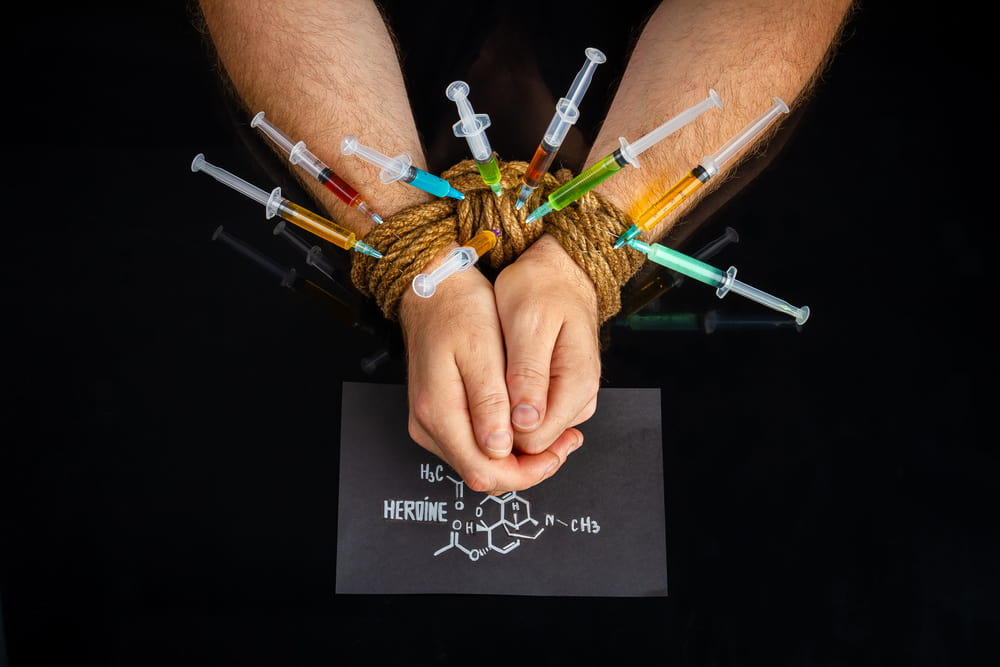
3- Subtle Signs Of Drug Abuse And Aggression
Although there’s a proven correlation between violence and drug use, not all users may display hostility. Aggression isn’t always directed at other people. Sometimes, people struggling with substance abuse only harm themselves. Therefore, being sensitive and watchful of these subtle signs can be a lifesaver.
– Excessive Shaking: Most illegal substances can cause or increase anxiety. Some of its signs that are often overlooked are excessive shaking. Depending on the drug used, it may also be accompanied by unusual sweating and slurred speech.
– Self-Hatred: A person dealing with drug abuse can lose their sense of self. Some illegal substances alter the brain’s natural chemical balance, which may lead to declined self-awareness and confidence. This sign can be hard to see from the outside, so the best way to help someone you suspect is struggling is to start a calm conversation.
– Self-Harm: Aggression towards one’s self may lead to self-harm. Some signs may include cuts and bruises on the arms and legs. One may also suddenly wear long sleeves and pants to hide these wounds. If you see signs of self-harm in a loved one, whether drug-related or not, it’s best to be there for them and encourage seeking help.
These subtle signs are also related to various mental illnesses. Remember, these symptoms alone aren’t enough to indicate someone is using illegal substances, so it’s best to have a deeper understanding of these issues first.
4- Dealing With Drug Use And Aggression
Suffering from drug use yourself or dealing with a loved one who is can be challenging. It can create strains on relationships. Aggression may also lead to physical and emotional harm, so knowing how to overcome it is crucial to keeping everyone safe. If you’re in distress due to substance abuse, here are ways to make a change:
– Seek Rehabilitation: Rehab centers accept those with SUD without judgment and provide the proper support. Seeking help shows strength and accountability, so it’s nothing to be ashamed of.
– Find The Right Treatment: Treatment plans may vary depending on the root causes and triggers of substance use. Finding the perfect fit may take a while, but it will be life-changing.
– Look After Yourself: Falling into drug abuse can make one lose their true self. As you try to beat addiction, focus on self-care to regain your confidence and well-being.
If you’re trying to help a family, friend, or partner overcome substance abuse, here are some tips during an encounter:
– Remain Calm: During a heated encounter, try to remain calm. Facing aggression with hate can only worsen the situation. Instead, make the person feel safe and understood.
– Give Physical Space: When signs of aggressive behavior arise, give the person ample physical space. Speaking slowly and calmly helps to avoid triggering them. If the situation escalates, leave and call for help.
– Wait Until The Person Isn’t Intoxicated: Encouraging a struggling loved one to get help is best done when they aren’t intoxicated. Try to start a peaceful and kind conversation and make no judgment. Listen and understand.
– Set Boundaries: Set physical and emotional boundaries to help keep you safe, especially when your loved one’s condition worsens or gets violent.
– Call For Help: Call for help when you no longer feel safe and follow the authority’s instructions until they arrive at the scene.
Dealing with drug use and aggression can be stressful and even life-threatening. Knowing how to respond to these difficult situations is critical.
5- Treatments For Drug Misuse And Violent Behavior
Like other conditions, substance use disorder can be treated. Those who struggle with addiction can turn their life around and regain self-control. Professionals can also determine possible co-occurring mental health problems and provide a suitable program. Below are some of the effective treatments to overcome drug abuse:
– Cognitive-Behavioral Therapy (CBT): CBT is the most widely-used therapy for treating drug and alcohol abuse. It involves acknowledging one’s emotions and past experiences to encourage self-awareness to learn new positive coping mechanisms.
– Dialectal Behavioral Therapy (DBT): DBT helps patients learn mindfulness and increase distress tolerance. This approach is effective for regaining one’s self-control to reject drugs and lessen aggressive behavior. It also includes learning skills to cope healthily with stress, triggers, and negative emotions.
– Rational Emotive Behavior Therapy (REBT): This therapy focuses on identifying irrational, negative, and harmful beliefs that influence one’s behavior. It replaces self-sabotaging thoughts with positive and rational ones by encouraging proper emotion regulation.
– Motivational Interviewing (MI): This technique strengthens one’s motivation and commitment toward sobriety. Recovering from drug abuse can be challenging, making relapse more common than you think. MI helps patients realize the consequences of returning to harmful substances and the rewards of pressing onward to remain sober.
– Eye Movement Desensitization And Reprocessing (EMDR): This treatment approaches trauma-induced drug abuse. Therefore, treating the trauma behind one’s condition helps the patient turn away from substances. This therapy helps unfold the underlying causes of addiction to provide effective methods to overcome it.
These treatments, including in-patient treatment, are available in most rehabilitation facilities, such as Drug Rehab Lake Worth. In-patient treatment is best if you or a loved one needs close monitoring. Accessible support 24/7 is crucial when suffering from withdrawal syndrome during the first phase of treatment.
Conclusion
Drug use and aggression can be managed and treated. Understanding the underlying causes, triggers, and symptoms is crucial to starting kind and helpful conversations. If you or a loved one requires treatment and support to overcome substance abuse, help is always available.
Read Also
- Top Trends Shaping the Future of Mental Health Care
 Mental health care is moving fast to meet daily human needs. People want direct care that fits modern life. Clinics respond by creating flexible options that make healing easier to reach. Providers look past rigid habits to give people solid care. From smart tools to body wellness, these changes help people find relief when life… Read more: Top Trends Shaping the Future of Mental Health Care
 - Full-Arch Dental Tourism: Why UK Patients With Severe Bone Loss Are Looking AbroadDental implants have become one of the fastest-growing segments of private dentistry. Within that market, one patient group behaves very differently from the rest: people who have been told they do not have enough upper jawbone for conventional implants. For these patients, the choice is rarely between one clinic and another. It is between a… Read more: Full-Arch Dental Tourism: Why UK Patients With Severe Bone Loss Are Looking Abroad
- Levels of Mental Health Care and When to Seek SupportMental health care can range from occasional outpatient appointments to 24-hour hospital treatment. The appropriate level depends on safety, symptom severity, daily functioning, medical needs, available support, treatment history and personal preferences. A licensed clinician should assess these factors rather than relying on a symptom list alone. Need help now? In the United States, call… Read more: Levels of Mental Health Care and When to Seek Support
- How to Choose a Shilajit Brand Based on the ResearchIn a randomized trial published in the Journal of the International Society of Sports Nutrition in 2019, 63 active men took 250 mg of standardized shilajit, 500 mg, or a placebo every day for eight weeks, and the benefit for strength retention after a fatiguing workout appeared only at 500 mg. For anyone choosing a… Read more: How to Choose a Shilajit Brand Based on the Research
- How to Incorporate Relaxation into Your Busy ScheduleFinding balance when you have a packed daily agenda often feels out of reach. Between work duties, family obligations, and personal projects, personal rest usually gets pushed to the bottom of the list. Small, intentional shifts in daily habits can help restore calm without requiring hours of extra free time. Continue reading to discover everything… Read more: How to Incorporate Relaxation into Your Busy Schedule
- Red Light Therapy for Skin and Wellness: Meet Vital Red Light TherapyModern wellness is not always about complicated treatments or long routines. Many people are now looking for simple, convenient ways to support their skin, recovery, and overall wellness at home. One technology getting more attention is red light therapy. Red light therapy uses specific wavelengths of red and near-infrared light to support the body’s natural… Read more: Red Light Therapy for Skin and Wellness: Meet Vital Red Light Therapy