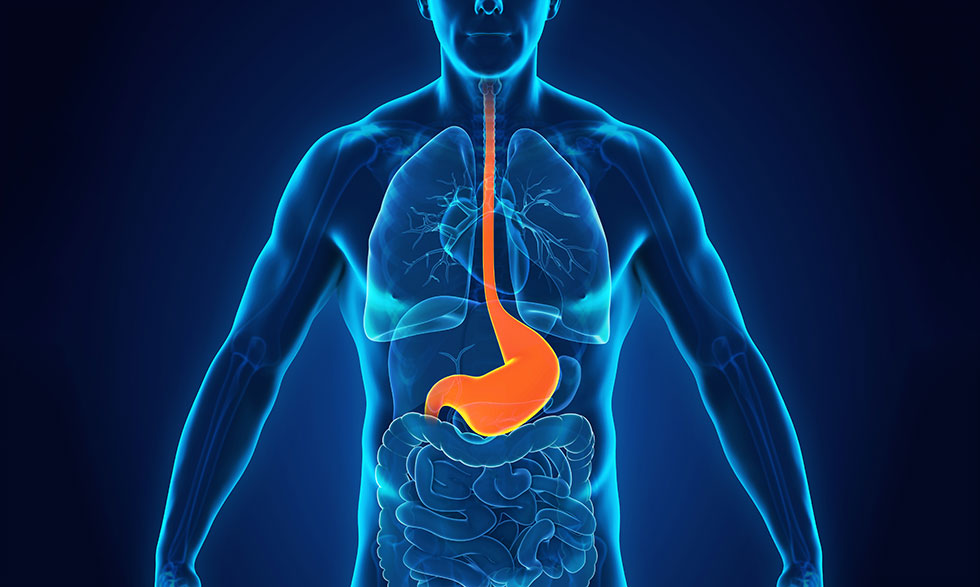
If you’ve ever experienced heartburn, you know how uncomfortable it can be. Fortunately, there are a few simple strategies that can help alleviate the pain and get rid of your heartburn quickly. In this blog post, we’ll look at some of the best ways to get rid of heartburn fast.
Take Antacid Medication as Needed
When it comes to relieving heartburn, antacid medications can be a real lifesaver. These medications work by neutralizing the stomach acid that causes the burning sensation. Common antacids like Gaviscon provide fast relief when taken as directed.
If your heartburn persists for more than two weeks, your doctor may advise you to take an antacid and an H2 receptor antagonist (H2RA) such as ranitidine or famotidine.
H2RAs are not as fast-acting as antacids, but their effects last longer. Please follow your doctor’s instructions to get the best results.
Chewing Gum to Increase Saliva Production
Chewing gum is an effective way to get heartburn relief, as it stimulates the production of saliva. Saliva helps to neutralize the acid that is causing heartburn and can reduce symptoms quickly.
Chewing gum also helps to reduce the amount of acid produced in the stomach which can help keep acid reflux at bay. Chewing cinnamon or fruit-flavored gum after a spicy meal is a great way to help reduce heartburn symptoms.
Remember that while chewing gum can provide relief from heartburn, it should not be used as a long-term solution.
Use Apple Cider Vinegar
It helps to reduce acid reflux and can be taken as needed. Additionally, apple cider vinegar can help to increase stomach acid which helps digest food more quickly and prevents the build-up of acid in the stomach.
To use apple cider vinegar for heartburn, mix between a teaspoon and a tablespoon of the vinegar into a glass of water and drink it before or after meals.
Drink Milk or Other Dairy Products
Drinking skimmed milk, or eating natural yogurt, can help relieve the symptoms of heartburn.
Milk creates a barrier between your stomach acid and the esophageal lining. The calcium present in milk can neutralize the acid and provide relief.
Additionally, milk is a natural source of probiotics which helps to keep the digestive system healthy. Drinking milk can give fast relief. Drinking a glass of cold or warm milk helps to reduce the burning sensation that comes with heartburn.
Try Baking Soda and Water
Baking soda and water is one such remedy that is both inexpensive and easy to use to relieve heartburn.
Baking soda is alkaline, which helps neutralize the acid in your stomach that can cause heartburn. Simply mix a teaspoon of baking soda with a glass of water and drink to help provide relief.
It’s important to remember that baking soda should be used only occasionally and on an as-needed basis. Long-term use of baking soda can have negative side effects, so it’s best to consult with your doctor to determine the best plan for long-term relief.
Conclusion
Heartburn is a common and uncomfortable symptom of acid reflux. Fortunately, there are effective ways to relieve and prevent heartburn symptoms.
Antacids can provide immediate relief as they reduce the amount of stomach acid present. Chewing gum, drinking watery foods, and taking apple cider vinegar can also be effective in alleviating heartburn symptoms.
Milk or other dairy products make a great home remedy to soothe heartburn pain and baking soda and water can provide relief as well. Ultimately, it is important to speak to your doctor if the symptoms of heartburn become concerning or frequent.
Read Also
- Where to Find Reliable Mental Health Support for Teens
 Have you noticed changes in your teen’s mood, sleep, or behavior that leave you worried? Growing up can bring stress from school, friends, family, and new demands. Some teens may struggle to share their feelings or ask for help, even when they need support. Finding the right mental health support for teens can help them… Read more: Where to Find Reliable Mental Health Support for Teens
 - Top Trends Shaping the Future of Mental Health CareMental health care is moving fast to meet daily human needs. People want direct care that fits modern life. Clinics respond by creating flexible options that make healing easier to reach. Providers look past rigid habits to give people solid care. From smart tools to body wellness, these changes help people find relief when life… Read more: Top Trends Shaping the Future of Mental Health Care
- Full-Arch Dental Tourism: Why UK Patients With Severe Bone Loss Are Looking AbroadDental implants have become one of the fastest-growing segments of private dentistry. Within that market, one patient group behaves very differently from the rest: people who have been told they do not have enough upper jawbone for conventional implants. For these patients, the choice is rarely between one clinic and another. It is between a… Read more: Full-Arch Dental Tourism: Why UK Patients With Severe Bone Loss Are Looking Abroad
- Levels of Mental Health Care and When to Seek SupportMental health care can range from occasional outpatient appointments to 24-hour hospital treatment. The appropriate level depends on safety, symptom severity, daily functioning, medical needs, available support, treatment history and personal preferences. A licensed clinician should assess these factors rather than relying on a symptom list alone. Need help now? In the United States, call… Read more: Levels of Mental Health Care and When to Seek Support
- How to Choose a Shilajit Brand Based on the ResearchIn a randomized trial published in the Journal of the International Society of Sports Nutrition in 2019, 63 active men took 250 mg of standardized shilajit, 500 mg, or a placebo every day for eight weeks, and the benefit for strength retention after a fatiguing workout appeared only at 500 mg. For anyone choosing a… Read more: How to Choose a Shilajit Brand Based on the Research