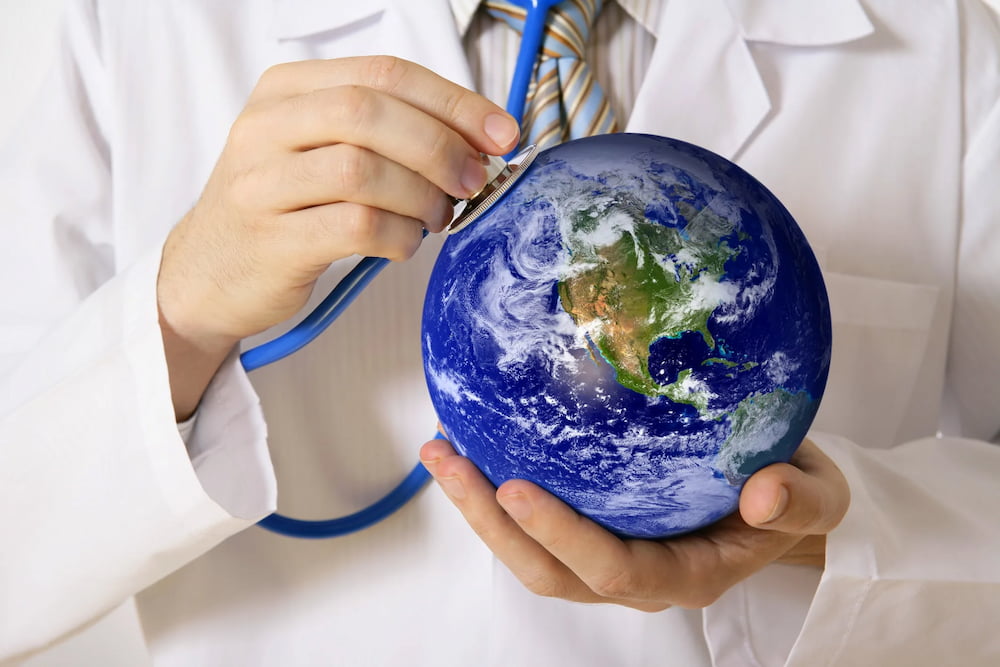
Climate change is a pressing concern for governments around the world. According to the Intergovernmental Panel on Climate Change, greenhouse gas emissions need to peak by 2025 if the total rise in heating is to be kept below 1.5°C above pre-industrial levels.
When you think of the negative effects of climate change, a number of images might spring to mind. You might think of icebergs melting, sea levels rising, and ecosystems collapsing.
What’s rarely dwelt upon is the effect that climate change can have on the health of the world’s citizens. And some of these are already being felt by people at the sharp end of this trend.
Who is Responsible?
One of the problems with climate change is that its causes and effects are so difficult to untangle. It’s very difficult to prove with certainty that this or that emission lead to this or that change in temperature.
There’s a growing body of law developing in countries around the world, which seeks to assign responsibility for environmental harms to the organisations and people that perpetrate them. But in order to navigate this new and often complicated legal world, it’s vital that we recruit the right climate-change-centred law firms.
Food and Water
The state of the climate naturally has an impact on the availability of, and demand for, food and water. Unpredictable weather, and changes in patterns of rainfall, can lead to floods and droughts. We should also note that, during extreme heat waves like the one endured by the UK in summer 2022, demand for water shoots up – to a degree that the system can’t always cope with.
In most cases, the effects of these draughts are spread across entire supply chains, and so it becomes difficult for the end consumer to determine that any given weather event is responsible for an increase in prices, or for a shortage.
Disease
Climate change might also accelerate the spread of disease from animals to human beings. We might also see diseases which have historically been confined to warmer climates make their way into more temperate ones. You might think of mosquitos surviving for longer, and transmitting more diseases.
Air Quality
Climate change is heavily associated with airborne allergens. Longer summers mean more pollen, and many of the things that contribute to climate change (like car exhausts) can also contribute to localised air pollution. So, climate change would have a negative effect on our lungs.
Social Impact
All of the consequences of climate change will be felt in society at large. Millions of people become refugees each year as a result of environmental disaster, and this has ripple effects that are felt in the places that they’re displaced towards.
Read Also
- Top Trends Shaping the Future of Mental Health Care
 Mental health care is moving fast to meet daily human needs. People want direct care that fits modern life. Clinics respond by creating flexible options that make healing easier to reach. Providers look past rigid habits to give people solid care. From smart tools to body wellness, these changes help people find relief when life… Read more: Top Trends Shaping the Future of Mental Health Care
 - Full-Arch Dental Tourism: Why UK Patients With Severe Bone Loss Are Looking AbroadDental implants have become one of the fastest-growing segments of private dentistry. Within that market, one patient group behaves very differently from the rest: people who have been told they do not have enough upper jawbone for conventional implants. For these patients, the choice is rarely between one clinic and another. It is between a… Read more: Full-Arch Dental Tourism: Why UK Patients With Severe Bone Loss Are Looking Abroad
- Levels of Mental Health Care and When to Seek SupportMental health care can range from occasional outpatient appointments to 24-hour hospital treatment. The appropriate level depends on safety, symptom severity, daily functioning, medical needs, available support, treatment history and personal preferences. A licensed clinician should assess these factors rather than relying on a symptom list alone. Need help now? In the United States, call… Read more: Levels of Mental Health Care and When to Seek Support
- How to Choose a Shilajit Brand Based on the ResearchIn a randomized trial published in the Journal of the International Society of Sports Nutrition in 2019, 63 active men took 250 mg of standardized shilajit, 500 mg, or a placebo every day for eight weeks, and the benefit for strength retention after a fatiguing workout appeared only at 500 mg. For anyone choosing a… Read more: How to Choose a Shilajit Brand Based on the Research
- How to Incorporate Relaxation into Your Busy ScheduleFinding balance when you have a packed daily agenda often feels out of reach. Between work duties, family obligations, and personal projects, personal rest usually gets pushed to the bottom of the list. Small, intentional shifts in daily habits can help restore calm without requiring hours of extra free time. Continue reading to discover everything… Read more: How to Incorporate Relaxation into Your Busy Schedule