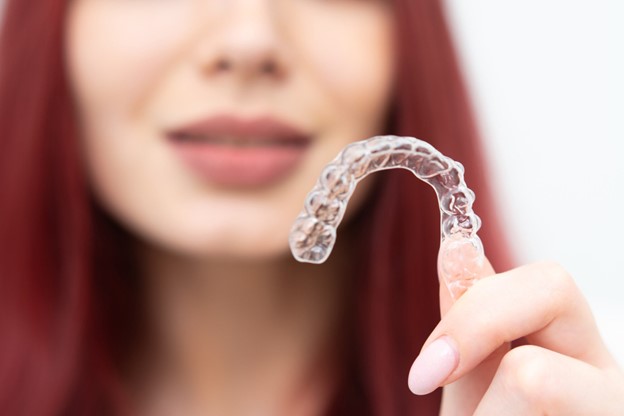
To get the perfect smile, a lot of kids and their parents are looking at Invisalign as a modern, less noticeable option to traditional braces. Some urban legends about Invisalign for teens have spread, though, and now there are a lot of people who aren’t sure if they are telling the truth. Do not be scared!
We want to put these orthodontic myths to rest with facts that are as clear and simple as the aligners themselves. Prepare to learn new things and maybe even have fun as we clear up some myths and tell the truth about Invisalign for kids.
Myth #1: Invisalign Is Only for Adults
Invisalign has been around since 1997 and was initially designed for adults. However, with advancements in technology and materials, Invisalign is now suitable for teens as young as 12 years old. In fact, over one million teenagers have used Invisalign to achieve a straighter smile.
Invisalign aligners are custom-made to fit the specific needs of each patient, regardless of their age. They are a viable option for teens who may feel self-conscious about wearing traditional metal braces.
Myth #2: Invisalign Only Works for Minor Tooth Problems
Some people think that Invisalign can only fix small problems with teeth, but that’s not true. Invisalign can fix a number of dental issues, such as crowded teeth, overbites, underbites, and crossbites.
It’s also good for kids who have had dental work done before. Like standard braces, success relies on how bad the case is and how long you wear the aligners each day (20 to 22 hours).
Myth #3: Invisalign Is More Expensive Than Traditional Braces
A lot of people think that Invisalign must cost more than regular braces because it uses more modern technology. But this doesn’t always happen. The price of Invisalign treatment can change based on the patient’s needs and where they live, but in some cases it can be about the same as standard braces.
A lot of dental insurance plans also cover Invisalign treatment the same way they cover standard braces. If you need dental alignment, make sure you ask your insurance company if they cover it.
Myth #4: It’s Okay to Not Wear Your Aligners for the Recommended Amount of Time
The fact that Invisalign aligners may be removed makes eating and brushing easier. They may also assume it’s appropriate to not wear them for the recommended 20-22 hours a day.
For Invisalign to function, you must wear the braces daily as prescribed by your dentist. Not doing so may delay therapy or require extra aligners.
To explore more about how Invisalign can transform teen smiles without the myths and misconceptions, visit https://impressionsdental.com. Here, you’ll find comprehensive information and success stories that highlight the effectiveness of Invisalign for teens.
Discover the Truth and Smile with Confidence: Debunking Invisalign for Teens Myth
We hope that some of the myths and lies about Invisalign for teens have been cleared up. The truth is that Invisalign is a tried-and-true way to straighten your teeth, no matter what age you are or how bad your dental problems are.
If you or your child are considering Invisalign, consult a professional orthodontist to ensure it’s suitable for you. If you maintain your Invisalign and follow the directions, you may enjoy a lifetime of confidence and a beautiful smile.
Did you find this article helpful? Don’t worry; we have more! Visit our site for more informational and entertaining articles that could guide you!
Read Also
- Full-Arch Dental Tourism: Why UK Patients With Severe Bone Loss Are Looking Abroad
 Dental implants have become one of the fastest-growing segments of private dentistry. Within that market, one patient group behaves very differently from the rest: people who have been told they do not have enough upper jawbone for conventional implants. For these patients, the choice is rarely between one clinic and another. It is between a… Read more: Full-Arch Dental Tourism: Why UK Patients With Severe Bone Loss Are Looking Abroad
 - Levels of Mental Health Care and When to Seek SupportMental health care can range from occasional outpatient appointments to 24-hour hospital treatment. The appropriate level depends on safety, symptom severity, daily functioning, medical needs, available support, treatment history and personal preferences. A licensed clinician should assess these factors rather than relying on a symptom list alone. Need help now? In the United States, call… Read more: Levels of Mental Health Care and When to Seek Support
- How to Choose a Shilajit Brand Based on the ResearchIn a randomized trial published in the Journal of the International Society of Sports Nutrition in 2019, 63 active men took 250 mg of standardized shilajit, 500 mg, or a placebo every day for eight weeks, and the benefit for strength retention after a fatiguing workout appeared only at 500 mg. For anyone choosing a… Read more: How to Choose a Shilajit Brand Based on the Research
- How to Incorporate Relaxation into Your Busy ScheduleFinding balance when you have a packed daily agenda often feels out of reach. Between work duties, family obligations, and personal projects, personal rest usually gets pushed to the bottom of the list. Small, intentional shifts in daily habits can help restore calm without requiring hours of extra free time. Continue reading to discover everything… Read more: How to Incorporate Relaxation into Your Busy Schedule
- Red Light Therapy for Skin and Wellness: Meet Vital Red Light TherapyModern wellness is not always about complicated treatments or long routines. Many people are now looking for simple, convenient ways to support their skin, recovery, and overall wellness at home. One technology getting more attention is red light therapy. Red light therapy uses specific wavelengths of red and near-infrared light to support the body’s natural… Read more: Red Light Therapy for Skin and Wellness: Meet Vital Red Light Therapy
- Managing Shock Loss After a Hair Transplant: The Financial and Clinical Imperative of Post-Op CareIn the rapidly evolving landscape of private healthcare, executive leadership within cosmetic and restorative surgery clinics faces a dual challenge: maintaining strict clinical standards while maximizing patient lifetime value (LTV) and brand advocacy. As the global medical tourism and elective procedure markets expand, clinical outcome quality alone is no longer the sole differentiator for premium… Read more: Managing Shock Loss After a Hair Transplant: The Financial and Clinical Imperative of Post-Op Care
- Transform Your Skin Health: Premier Gluta IV Therapy in DubaiThis comprehensive guide explores how modern intravenous wellness treatments can help revitalize your complexion, boost immune function, and support overall cellular health. By incorporating modern IV therapy Dubai services into a routine health regimen, individuals can achieve direct nutrient absorption for optimal results. Selecting a customized gluta IV drip Dubai treatment provides targeted antioxidant defense,… Read more: Transform Your Skin Health: Premier Gluta IV Therapy in Dubai
- The Evolution of Dental Prosthetics: Innovation in Oral HealthDental replacements have improved a lot over time. Smiling, chewing, and speaking depend on having healthy teeth. When teeth break or go missing, today’s options can restore both function and confidence. Modern techniques make these replacements feel and look completely natural. Ancient Roots Of Tooth Replacement People have tried to replace lost teeth for thousands… Read more: The Evolution of Dental Prosthetics: Innovation in Oral Health