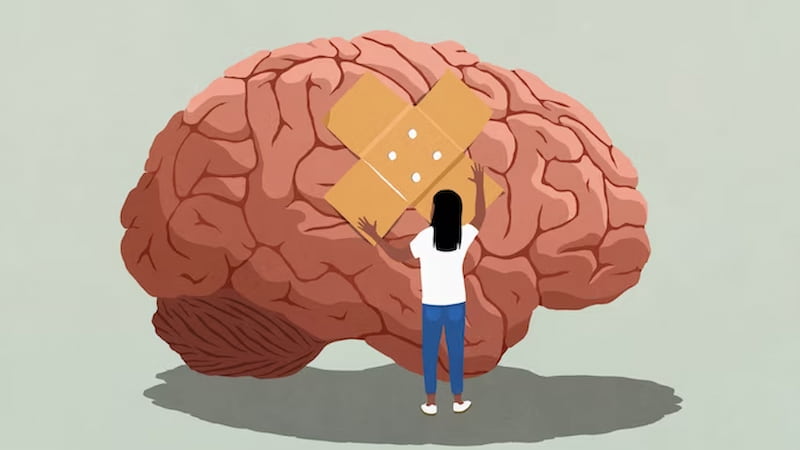
TBIs or traumatic brain injuries are a serious form of injury that can occur during accidents like car crashes, workplace incidents, and other altercations. If you have been a victim of such an accident, it is recommended that you take action to ensure your safety and compensation.
What actions should I take and how do I know if I have symptoms? Symptoms can range from the physical spectrum to the emotional spectrum and everything in between, sometimes they are non-apparent in the beginning so it is highly recommended you receive medical attention at first. After doing so, you should consult an attorney as receiving TBI is worthy of filing a case.
Common Traumatic Brain Injury Symptoms to Watch Out For
Here are the most common types of TBI Injury symptoms that you need to watch out for after a head accident.
1) Physical Symptoms of a Traumatic Brain Injury
It’s recommended to see a doctor right away for any physical symptoms you experience. Keep someone with you at all times in case one of these more severe symptoms happens to you.
– Persistent and worsening headaches
– Feeling nauseous or vomiting
– Seizures or convulsions
– Post-injury amnesia lasting longer than a day
– Losing consciousness for minutes or even hours
– Clear fluids draining from your nose or ears.
2) Types of TBI Cognitive Symptoms
Traumatic brain injuries can cause serious cognitive impairment. If you are experiencing any of these symptoms you should see a doctor right away.
– Disorientation
– Memory loss
Negative effects on decision-making and problem-solving skills
3) You Can Experience Emotional TBI Symptoms
Some people feel different emotionally after a TBI accident. It’s not uncommon to feel the following symptoms:
– Mood swings and outbursts
– Feelings of anxiety and depression
– Agitation and irritation
– Sometimes, even a lack of self-control
4) Sensitivity Issues with Your Senses
You may even experience sensory symptoms after a TBI accident.
– Eyes sensitive to light
– Sensitivity to noise
– Issues with balance
– Even changes in taste
5) Communication TBI Symptoms
Surprisingly, you can experience communication issues after a traumatic brain injury. People have experienced not being able to speak or form words. Some have also had issues understanding what someone is saying.
6) TBI Sleep-Related Symptoms
You can also have issues with your sleep after a traumatic brain injury. You can have trouble falling asleep, or staying asleep, or you can have issues being tired all of the time after a TBI.
Can Symptoms Go Unnoticed?
Traumatic brain injury symptoms occur immediately after an accident. However, more often, such symptoms are revealed much later days, weeks, or even months afterward. It is not uncommon for victims of an accident to seem “fine” or “okay,” exhibiting little to no symptoms. This can be dangerous as they can be undergoing “Talk and Die Syndrome,” where their brain injuries worsen, possibly leading to death. This is why one should seek medical help immediately. Unfortunately, many family doctors focus on the obvious injuries and miss underlying ones, leading to worse symptoms later on.
What Steps to Take if You Have Traumatic Brain Injury Symptoms?
After an accident, you should seek medical attention as soon as possible to protect yourself and prevent injuries from progressing further. Once you are safe and treated, you should hire a brain injury lawyer. Whether your accident was caused in a car, the workplace, or in some other way, these lawyers will help with the legal process of filing a case. They will legally represent you, evaluate your situation, help you build a strong lawsuit, and negotiate on your behalf so that you are compensated fairly for your injuries.
In Conclusion
Traumatic brain injury symptoms can vary and even go unnoticed. For serious issues that go untreated, you can be facing big problems, even death. Seeking medical help right away will make sure you’re taken care of. You can also get the assistance of a brain injury attorney if you would like to file a lawsuit on your TBI injury. They can help protect your rights and help you secure a helpful settlement.
Did you find this helpful? Check out our other helpful articles on our website.
Read Also
- Where to Find Reliable Mental Health Support for Teens
 Have you noticed changes in your teen’s mood, sleep, or behavior that leave you worried? Growing up can bring stress from school, friends, family, and new demands. Some teens may struggle to share their feelings or ask for help, even when they need support. Finding the right mental health support for teens can help them… Read more: Where to Find Reliable Mental Health Support for Teens
 - Top Trends Shaping the Future of Mental Health CareMental health care is moving fast to meet daily human needs. People want direct care that fits modern life. Clinics respond by creating flexible options that make healing easier to reach. Providers look past rigid habits to give people solid care. From smart tools to body wellness, these changes help people find relief when life… Read more: Top Trends Shaping the Future of Mental Health Care
- Full-Arch Dental Tourism: Why UK Patients With Severe Bone Loss Are Looking AbroadDental implants have become one of the fastest-growing segments of private dentistry. Within that market, one patient group behaves very differently from the rest: people who have been told they do not have enough upper jawbone for conventional implants. For these patients, the choice is rarely between one clinic and another. It is between a… Read more: Full-Arch Dental Tourism: Why UK Patients With Severe Bone Loss Are Looking Abroad
- Levels of Mental Health Care and When to Seek SupportMental health care can range from occasional outpatient appointments to 24-hour hospital treatment. The appropriate level depends on safety, symptom severity, daily functioning, medical needs, available support, treatment history and personal preferences. A licensed clinician should assess these factors rather than relying on a symptom list alone. Need help now? In the United States, call… Read more: Levels of Mental Health Care and When to Seek Support
- How to Choose a Shilajit Brand Based on the ResearchIn a randomized trial published in the Journal of the International Society of Sports Nutrition in 2019, 63 active men took 250 mg of standardized shilajit, 500 mg, or a placebo every day for eight weeks, and the benefit for strength retention after a fatiguing workout appeared only at 500 mg. For anyone choosing a… Read more: How to Choose a Shilajit Brand Based on the Research
- How to Incorporate Relaxation into Your Busy ScheduleFinding balance when you have a packed daily agenda often feels out of reach. Between work duties, family obligations, and personal projects, personal rest usually gets pushed to the bottom of the list. Small, intentional shifts in daily habits can help restore calm without requiring hours of extra free time. Continue reading to discover everything… Read more: How to Incorporate Relaxation into Your Busy Schedule
- Red Light Therapy for Skin and Wellness: Meet Vital Red Light TherapyModern wellness is not always about complicated treatments or long routines. Many people are now looking for simple, convenient ways to support their skin, recovery, and overall wellness at home. One technology getting more attention is red light therapy. Red light therapy uses specific wavelengths of red and near-infrared light to support the body’s natural… Read more: Red Light Therapy for Skin and Wellness: Meet Vital Red Light Therapy
- Managing Shock Loss After a Hair Transplant: The Financial and Clinical Imperative of Post-Op CareIn the rapidly evolving landscape of private healthcare, executive leadership within cosmetic and restorative surgery clinics faces a dual challenge: maintaining strict clinical standards while maximizing patient lifetime value (LTV) and brand advocacy. As the global medical tourism and elective procedure markets expand, clinical outcome quality alone is no longer the sole differentiator for premium… Read more: Managing Shock Loss After a Hair Transplant: The Financial and Clinical Imperative of Post-Op Care