


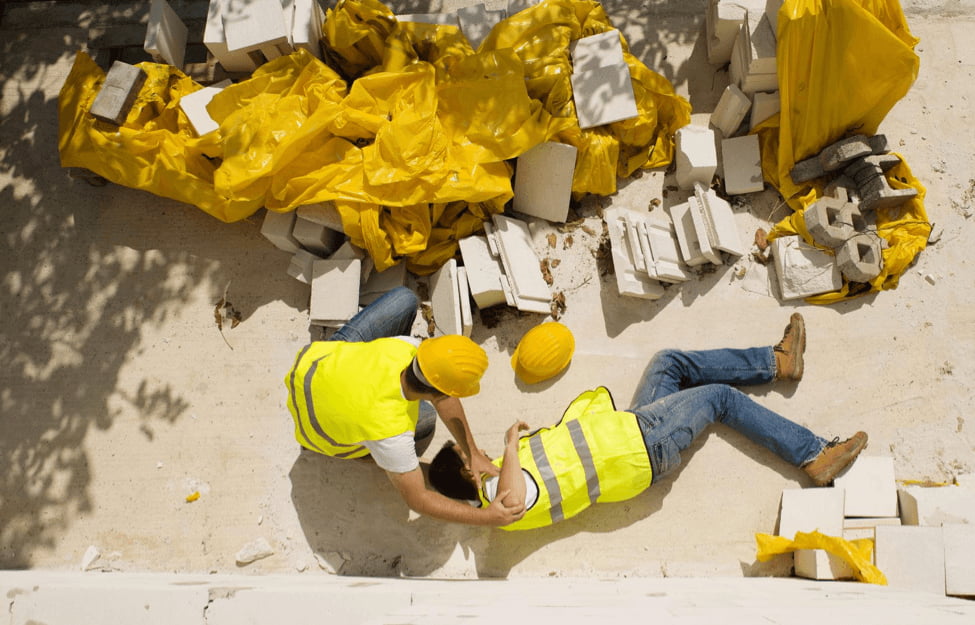
Despite the fact that the rate of serious workplace accidents and injuries is decreasing with a heightened awareness of PPE and good health and safety practices, it’s still crucial for construction workers to stay safe on site. Construction has been identified by the HSE as the most dangerous sector in the UK, with 40 workers losing their lives due to fatal workplace accidents in the period 2019-2020. With site safety in mind, what are the most common injuries and health problems experienced by construction industry workers, and what can we do to prevent these?
Musculoskeletal Injuries
Because workers in the construction sector often perform repetitive and labour-intensive physical tasks, they’re more prone to back pain and sprains, strains and tearing of the ligaments and muscles. Over time, this can lead to musculoskeletal disorders including carpal tunnel syndrome, tendinitis, ‘carpet layers’ knee’, Raynaud’s syndrome, thoracic outlet syndrome and degenerative disc disease. Musculoskeletal injuries of the hand, arms, shoulders and neck may be worsened by failing to wear appropriate PPE such as proper work gloves when using manual tools and equipment. Ensure that you can access the necessary PPE – avoid excessive muscular strain and take a break when you need a rest.
Cuts and Lacerations
Many construction workers use heavy machinery and potentially dangerous raw materials, so it’s no surprise that cuts and lacerations are also common injuries in the sector. Any sharp object can cause a cut or laceration, which could be a potentially life-threatening injury – if you’re a business owner in the construction trade, conduct regular risk assessments to bolster the safety of your sites and reduce the chances of an accident. While it may seem like ‘just a scratch’, a sharp edge could lead to a fatality on site.
Sensory Issues
Construction workers are often exposed to loud noises, which can lead to hearing loss and deafness over time – for this reason, it’s essential that your crew have access to hearing protection when they’re working with heavy machinery or exposed to harmful noise. You must also ensure that your workers select the necessary eye protection to avoid eye damage caused by flying debris, dust and building materials.
Respiratory Disease
Workers in the construction trade may have a higher incidence of respiratory diseases such as silicosis and chronic obstructive pulmonary disease (COPD), which can cause breathing difficulties and damage the lungs. This is often due to inhaling hazardous substances such as chemicals, sawdust and construction dust.
Mental health
Male construction industry workers are more likely to suffer from mental health problems or commit suicide than those in other sectors. Promote well-being in your crew and don’t be afraid to talk about mental health.
Although the rate of accidents and injuries in the construction sector is still relatively high, employers and employees can significantly reduce their likelihood by sticking to health and safety guidelines, following training and making use of the necessary PPE, especially when carrying out potentially dangerous work.
Read Also
- Full-Arch Dental Tourism: Why UK Patients With Severe Bone Loss Are Looking Abroad
 Dental implants have become one of the fastest-growing segments of private dentistry. Within that market, one patient group behaves very differently from the rest: people who have been told they do not have enough upper jawbone for conventional implants. For these patients, the choice is rarely between one clinic and another. It is between a… Read more: Full-Arch Dental Tourism: Why UK Patients With Severe Bone Loss Are Looking Abroad
 - Levels of Mental Health Care and When to Seek SupportMental health care can range from occasional outpatient appointments to 24-hour hospital treatment. The appropriate level depends on safety, symptom severity, daily functioning, medical needs, available support, treatment history and personal preferences. A licensed clinician should assess these factors rather than relying on a symptom list alone. Need help now? In the United States, call… Read more: Levels of Mental Health Care and When to Seek Support
- How to Choose a Shilajit Brand Based on the ResearchIn a randomized trial published in the Journal of the International Society of Sports Nutrition in 2019, 63 active men took 250 mg of standardized shilajit, 500 mg, or a placebo every day for eight weeks, and the benefit for strength retention after a fatiguing workout appeared only at 500 mg. For anyone choosing a… Read more: How to Choose a Shilajit Brand Based on the Research
- How to Incorporate Relaxation into Your Busy ScheduleFinding balance when you have a packed daily agenda often feels out of reach. Between work duties, family obligations, and personal projects, personal rest usually gets pushed to the bottom of the list. Small, intentional shifts in daily habits can help restore calm without requiring hours of extra free time. Continue reading to discover everything… Read more: How to Incorporate Relaxation into Your Busy Schedule
- Red Light Therapy for Skin and Wellness: Meet Vital Red Light TherapyModern wellness is not always about complicated treatments or long routines. Many people are now looking for simple, convenient ways to support their skin, recovery, and overall wellness at home. One technology getting more attention is red light therapy. Red light therapy uses specific wavelengths of red and near-infrared light to support the body’s natural… Read more: Red Light Therapy for Skin and Wellness: Meet Vital Red Light Therapy





