As we age, the importance of maintaining a healthy lifestyle becomes increasingly apparent. Nutrition plays a pivotal role in supporting overall well-being, and for many seniors, dietary choices extend beyond mere sustenance.
One such culinary tradition that has gained recognition for its holistic benefits is kosher dining. According to Technavio, the kosher food market is estimated to grow by $12.78 billion between 2022 and 2027.
Beyond its religious and cultural significance, kosher dining holds a unique place in the world of senior living. It offers many advantages that extend far beyond the palate. In this article, we will look at some of the advantages of kosher dining.
Cultural Roots and Nutritional Wisdom
Kosher dining is deeply rooted in religious traditions, with guidelines derived from Jewish dietary laws outlined in the Torah. These laws dictate what foods are permissible and how they must be prepared and consumed. The careful adherence to these rules has given rise to a culinary tradition that, surprisingly, aligns seamlessly with the nutritional needs of seniors.
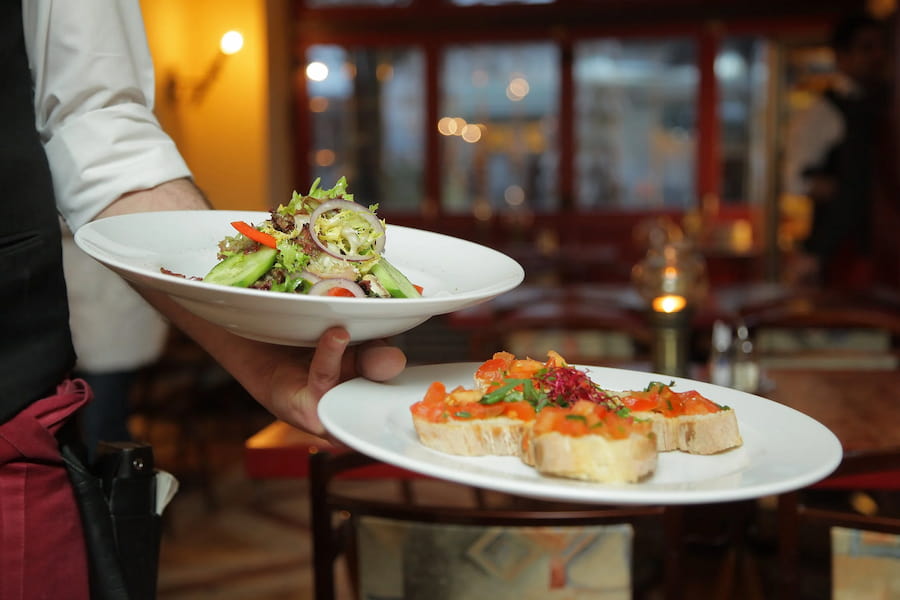
According to Regency Jewish Heritage Nursing and Post-Acute Rehabilitation Center, kosher meals can also be customized to cater to seniors’ clinical needs. Moreover, the wide variety ensures that the dishes can be personalized based on individual preferences. This makes kosher meals healthy and tasty.
One of the fundamental principles of kosher dining involves the separation of meat and dairy products. This practice can have significant health benefits, especially for seniors, as it encourages a variety-rich diet. Seniors can obtain more essential nutrients by diversifying protein sources and incorporating various dairy and non-dairy options.
According to The New York Times, those 65 and above benefit from consuming more protein. They should intake a minimum of 0.45 to 0.54 grams of protein per pound. That makes it around 84-101 gms of protein for a 185-pound adult.
Social Connection Through Shared Values
Partaking in kosher meals extends beyond mere sustenance; it becomes a ritualistic practice that binds individuals within the Jewish community together. Shared adherence to Kashrut creates a sense of belonging and solidarity, reinforcing the bonds of kinship among participants. Within this framework, dining transcends its utilitarian function and becomes a symbolic expression of faith and tradition.
Preparing kosher meals often involves meticulous attention to detail, emphasizing the importance of mindfulness and intentionality in daily life. Individuals engaged in kosher dining actively participate in rituals that connect them to centuries-old practices and beliefs. These rituals serve as a tangible link to the past while reinforcing communal ties in the present.
Moreover, kosher dining occasions frequently involve communal gatherings such as Shabbat dinners or holiday celebrations. During these events, friends and family share food, stories, laughter, and camaraderie. These shared experiences foster a sense of unity and mutual support as individuals find solace and strength in the company of like-minded peers.
Mindful Eating for Cognitive Well-being
Kosher dining can significantly contribute to mindful eating practices, enhancing cognitive well-being through its structured approach to food consumption. At its core, kosher dietary laws provide a framework that encourages individuals to be more intentional and aware of their food choices.
One key aspect of kosher dining is mindfulness during meal preparation. Observing kosher dietary laws requires adhering to specific guidelines regarding the selection and handling of ingredients. This attention to detail encourages individuals to consider the origins of their food and the methods used in its production.
Furthermore, the act of adhering to kosher dietary laws promotes mindfulness during the eating process itself. Observant individuals are encouraged to focus on the present moment, savoring each bite and acknowledging the sustenance it provides. This heightened awareness fosters a deeper sensory experience, allowing individuals to fully engage with their food’s flavors, textures, and aromas.
This mindfulness in eating is extremely crucial in old age. According to an NCBI article, almost two-thirds of Americans have some form of cognitive impairment by age 70. Lifestyle changes can have a positive impact on the risks of cognitive decline. Consuming a balanced kosher diet can ensure enough nutrition, which can help improve cognitive capabilities.
Adherence to Dietary Restrictions and Health Management
Seniors often face various health challenges that necessitate dietary restrictions. Whether due to diabetes, cardiovascular issues, or other medical conditions, adhering to specific dietary guidelines is crucial. The inherent structure of kosher dining, emphasizing meticulous food preparation, aligns well with many of these dietary restrictions.
For instance, prohibiting certain additives and preservatives in kosher foods can benefit seniors with sensitivities or allergies. Additionally, the emphasis on clean and thorough food preparation in kosher kitchens aligns with the needs of seniors with compromised immune systems.
Sexagenarians or people older than them often have several dietary restrictions. For instance, they may restrict consuming dairy products to improve digestion. Expert Market Research states that kosher foods can help lower cholesterol, improve digestion, and reduce allergic reactions after meals. Along with health awareness and rising chronic illnesses, this food structure is giving a push to the kosher food market.
Rituals and Routine: Stability in Senior Living
Seniors often find comfort in routine, and the structured nature of kosher dining can stabilize their lives. The adherence to specific mealtime rituals and the predictability of the dietary choices can create a sense of security and familiarity.
Kosher dining involves adherence to specific rules regarding food preparation, ingredients, and consumption. These rules are deeply rooted in religious traditions and rituals, forming an integral part of Jewish culture and identity. For many people, adhering to these dietary laws is not just a matter of personal preference but a way of upholding their faith.
Moreover, the structured nature of kosher dining reinforces daily routines for seniors living in these communities. Meals are typically served at specific times, creating a predictable schedule that residents can rely on. This regularity in meal times helps seniors maintain a sense of order and predictability in their daily lives. It can be particularly beneficial for those with cognitive decline or other health challenges.
In conclusion, kosher dining in senior living goes far beyond being a matter of religious observance. It is a holistic approach to nutrition, health management, and social well-being. The cultural roots of kosher dining have unintentionally given rise to a culinary tradition that aligns seamlessly with the needs of seniors.
Did you find this helpful? Check out our other helpful articles on our website.
Read Also
- Full-Arch Dental Tourism: Why UK Patients With Severe Bone Loss Are Looking Abroad
 Dental implants have become one of the fastest-growing segments of private dentistry. Within that market, one patient group behaves very differently from the rest: people who have been told they do not have enough upper jawbone for conventional implants. For these patients, the choice is rarely between one clinic and another. It is between a… Read more: Full-Arch Dental Tourism: Why UK Patients With Severe Bone Loss Are Looking Abroad
 - Levels of Mental Health Care and When to Seek SupportMental health care can range from occasional outpatient appointments to 24-hour hospital treatment. The appropriate level depends on safety, symptom severity, daily functioning, medical needs, available support, treatment history and personal preferences. A licensed clinician should assess these factors rather than relying on a symptom list alone. Need help now? In the United States, call… Read more: Levels of Mental Health Care and When to Seek Support
- How to Choose a Shilajit Brand Based on the ResearchIn a randomized trial published in the Journal of the International Society of Sports Nutrition in 2019, 63 active men took 250 mg of standardized shilajit, 500 mg, or a placebo every day for eight weeks, and the benefit for strength retention after a fatiguing workout appeared only at 500 mg. For anyone choosing a… Read more: How to Choose a Shilajit Brand Based on the Research
- How to Incorporate Relaxation into Your Busy ScheduleFinding balance when you have a packed daily agenda often feels out of reach. Between work duties, family obligations, and personal projects, personal rest usually gets pushed to the bottom of the list. Small, intentional shifts in daily habits can help restore calm without requiring hours of extra free time. Continue reading to discover everything… Read more: How to Incorporate Relaxation into Your Busy Schedule
- Red Light Therapy for Skin and Wellness: Meet Vital Red Light TherapyModern wellness is not always about complicated treatments or long routines. Many people are now looking for simple, convenient ways to support their skin, recovery, and overall wellness at home. One technology getting more attention is red light therapy. Red light therapy uses specific wavelengths of red and near-infrared light to support the body’s natural… Read more: Red Light Therapy for Skin and Wellness: Meet Vital Red Light Therapy
- Managing Shock Loss After a Hair Transplant: The Financial and Clinical Imperative of Post-Op CareIn the rapidly evolving landscape of private healthcare, executive leadership within cosmetic and restorative surgery clinics faces a dual challenge: maintaining strict clinical standards while maximizing patient lifetime value (LTV) and brand advocacy. As the global medical tourism and elective procedure markets expand, clinical outcome quality alone is no longer the sole differentiator for premium… Read more: Managing Shock Loss After a Hair Transplant: The Financial and Clinical Imperative of Post-Op Care
- Transform Your Skin Health: Premier Gluta IV Therapy in DubaiThis comprehensive guide explores how modern intravenous wellness treatments can help revitalize your complexion, boost immune function, and support overall cellular health. By incorporating modern IV therapy Dubai services into a routine health regimen, individuals can achieve direct nutrient absorption for optimal results. Selecting a customized gluta IV drip Dubai treatment provides targeted antioxidant defense,… Read more: Transform Your Skin Health: Premier Gluta IV Therapy in Dubai
- The Evolution of Dental Prosthetics: Innovation in Oral HealthDental replacements have improved a lot over time. Smiling, chewing, and speaking depend on having healthy teeth. When teeth break or go missing, today’s options can restore both function and confidence. Modern techniques make these replacements feel and look completely natural. Ancient Roots Of Tooth Replacement People have tried to replace lost teeth for thousands… Read more: The Evolution of Dental Prosthetics: Innovation in Oral Health