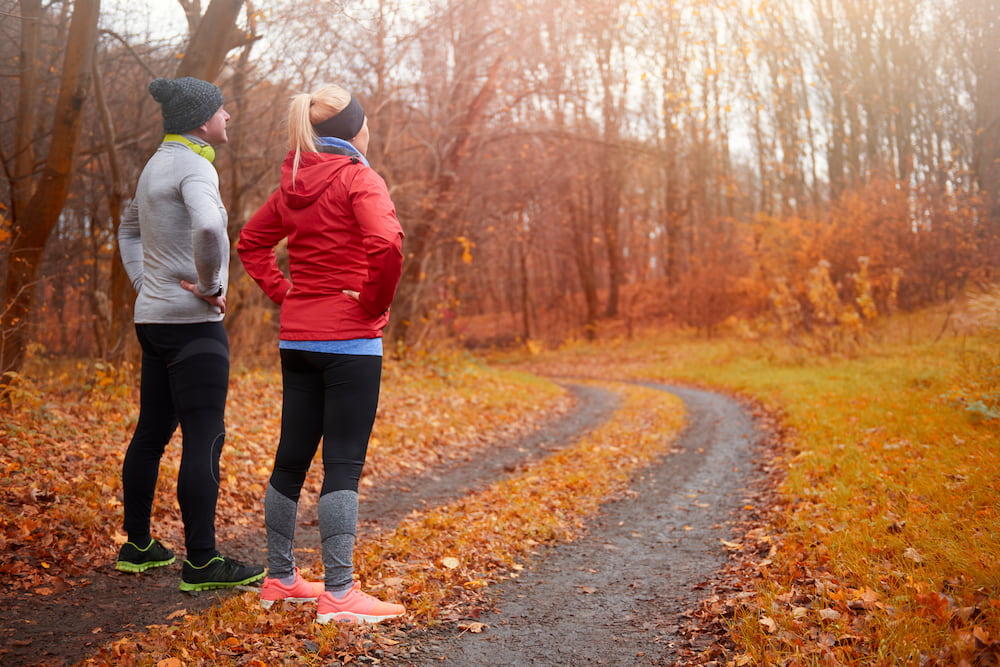
In autumn, there is less daylight, and it starts getting colder. As such, people tend to be more susceptible to seasonal illnesses such as the flu. Some changes in clothing, lifestyle and nutrition often also take place, and because of this, the transition from one season to the next can often be quite harsh on many.
This article shares some tips and tricks for staying healthy heading into the winter months, so you can make the most out of this enchanting season without neglecting your health.
Vitamins and Walks
One of the most important things to remember this autumn is to boost your immune system with vitamins. Most importantly, since the days are shorter and the sunlight is less intense, making sure your vitamin D levels are adequate is essential.
You should try to spend at least 15 minutes outside in the sunshine every day. If you are unable to spend enough time outside or exercise, or if you are just curious about your baseline vitamin D level, you can consult your doctor or specialized clinic like Orion Health and Wellness Services, to help with your wellness goals.
As it becomes colder, people typically tend to gravitate inside and spend most of their time indoors. But did you know that taking a brisk walk every day is a great way to stay active and reinforce your immune system? It may be chilly to start, but your body will thank you in the long run.
Hydration, Calorie Intake and Exercise
Did you know that feeling cold is actually dehydrating? That is why you should always do your best to stay hydrated and drink enough water every day. People should drink around 2 or 3 liters of water per day, but how many of us actually do this? As the seasons change, try to get in the habit of staying well-hydrated.
Spending more time indoors normally means being less active. Because of this, it is important to remember that we need fewer calories. We all tend to eat more comfort food during the cold season, but be sure to maintain a balance in your diet and stay on top of your weight.
To help you stay in shape, it is necessary to add some exercise to your routine. Aside from brisk walks, it would be a great idea to pick an activity, like yoga, for example, that will help you stay in contact with your body and maintain it healthy and toned throughout the year. There are so many fun fall activities that can keep you moving. Don’t wait until spring to get back into shape. If you are exercising regularly and eating balanced, nutritious meals, your body will be much more likely to stop any cold virus in its tracks.
And, of course, don’t forget to visit your physician and dentist. Doing so will ensure that your physical health is always in good condition. If you don’t have a dentist yet, you can check out this dentist in Huntington Park CA.
Handwashing and the Right Outfits
Of course, washing your hands whenever needed is a practice to maintain all year round, not only during the colder months. In autumn, though, more bacteria and viruses can proliferate, and many people are prone to getting infected with the flu or other conditions. Because of this, make sure to maintain proper hygiene and continue washing your hands.
For a similar reason, autumn can be a challenging season due to its weather, which can change very often and be stormy. Because of this, it is important to consider this when picking outfits, as you must consider staying dry and warm as the absolute priority. Consider waterproof shoes and coats, and wear a hat whenever needed. This advice may be rather basic, but you would be surprised to know how many people actually don’t follow any of them and are caught unprepared, wearing inappropriate clothing for the changing weather.
In Conclusion
Sometimes, some simple advice can make the whole difference. Therefore, this was our short list of tips and tricks on how to stay healthy and active during the autumn months. This autumn, boost your immune system with vitamins, stay warm, eat well, take brisk walks and wash your hands as much as possible. Autumn can be an amazing time of the year, full of comforting evenings indoors and walks in nature.
Read Also
- Where to Find Reliable Mental Health Support for Teens
 Have you noticed changes in your teen’s mood, sleep, or behavior that leave you worried? Growing up can bring stress from school, friends, family, and new demands. Some teens may struggle to share their feelings or ask for help, even when they need support. Finding the right mental health support for teens can help them… Read more: Where to Find Reliable Mental Health Support for Teens
 - Top Trends Shaping the Future of Mental Health CareMental health care is moving fast to meet daily human needs. People want direct care that fits modern life. Clinics respond by creating flexible options that make healing easier to reach. Providers look past rigid habits to give people solid care. From smart tools to body wellness, these changes help people find relief when life… Read more: Top Trends Shaping the Future of Mental Health Care
- Full-Arch Dental Tourism: Why UK Patients With Severe Bone Loss Are Looking AbroadDental implants have become one of the fastest-growing segments of private dentistry. Within that market, one patient group behaves very differently from the rest: people who have been told they do not have enough upper jawbone for conventional implants. For these patients, the choice is rarely between one clinic and another. It is between a… Read more: Full-Arch Dental Tourism: Why UK Patients With Severe Bone Loss Are Looking Abroad
- Levels of Mental Health Care and When to Seek SupportMental health care can range from occasional outpatient appointments to 24-hour hospital treatment. The appropriate level depends on safety, symptom severity, daily functioning, medical needs, available support, treatment history and personal preferences. A licensed clinician should assess these factors rather than relying on a symptom list alone. Need help now? In the United States, call… Read more: Levels of Mental Health Care and When to Seek Support
- How to Choose a Shilajit Brand Based on the ResearchIn a randomized trial published in the Journal of the International Society of Sports Nutrition in 2019, 63 active men took 250 mg of standardized shilajit, 500 mg, or a placebo every day for eight weeks, and the benefit for strength retention after a fatiguing workout appeared only at 500 mg. For anyone choosing a… Read more: How to Choose a Shilajit Brand Based on the Research