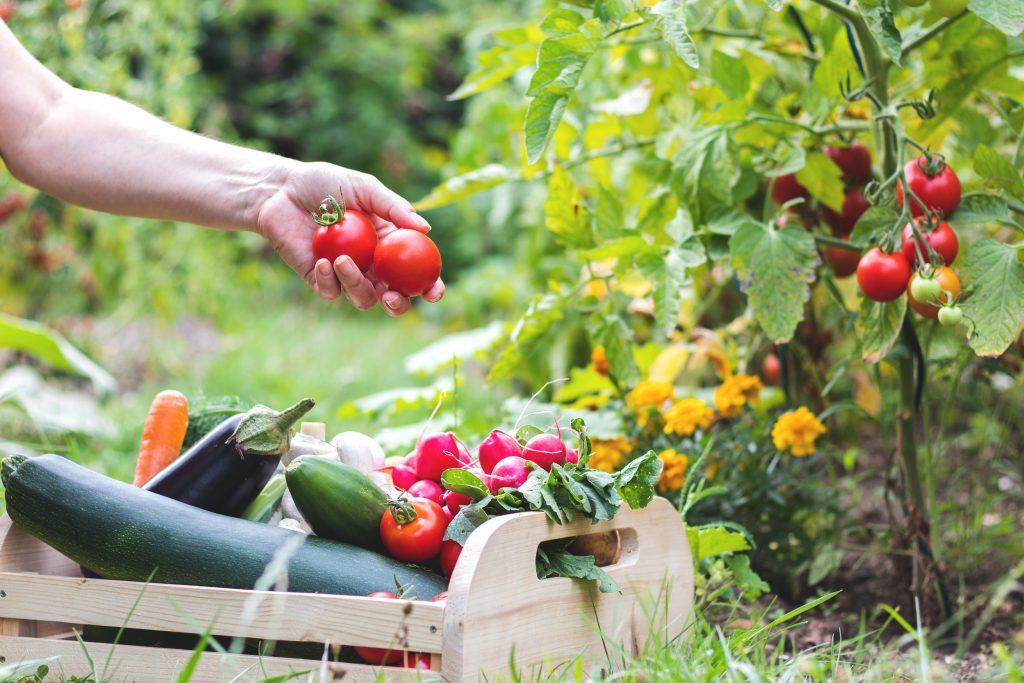
There has been a surge in the number of people that now choose to grow their own vegetables (and fruit if they have the space and the time). However, it is not an easy or simple DIY process and will need a great deal of reading, research, and trial and error. This article provides some ideas on how to get started and suggests why growing your own veg is a good idea and is well worth the time and effort it will take to get it right.
Home Grown Veg Is Fresher
It is simply stated as logic – having grown the vegetables in your own garden, they can be harvested when you need them. This means that you are always able to access a fresher selection of veg than what can be bought at the shops. This will positively impact your nutrition and ensure healthy eating regularly.
There May Be Substantial Cost Savings
Depending on what you grow and how you then use this produce as a family, there can indeed be substantial savings involved in growing and eating your own vegetables. The rising costs of fresh fruit and vegetables means that growing the veg that you and your family eat regularly, and in the right seasons, will see you save a considerable amount over the year.
It’s a Great Life Lesson for You and Your Kids
Knowing exactly where your food comes from is something that many in the modern world still want to know. Growing food yourself provides a simple line of provenance and is also a fantastic lesson to teach your children and family. The pastime of gardening is also stress relieving and a wonderful way to spend time with others.
How to Get It Right
Get a growing cycle for your area, understand which veg will grow best, and whether you will be able to grow any of it all year round. If you’re growing in the ground, then perhaps consider buying and using a simple soil test to see what nutrients your plants will need and whether you need to add compost and organic growing material to your soil to improve your yields.
You also need to know the biological needs of the plants you grow. Finding the right biostimulants and plant growth regulators for the variety of vegetables that you have planted is a great starting point and will ensure that whatever you grow is as healthy as possible. These stimulants are meant to improve growth rates and add essential nutrients but will also be useful to protect against pests and strengthen and fortify your plants.
Growing your own vegetables and fruit (depending on the space and the type of fruit) is one of the most rewarding and natural things to do. You don’t need much space and will be able to grow enough for a small family on a small balcony and use grow bags and potato planters. It is a pastime or hobby that will be well worth the time and effort.
Read Also
- Full-Arch Dental Tourism: Why UK Patients With Severe Bone Loss Are Looking Abroad
 Dental implants have become one of the fastest-growing segments of private dentistry. Within that market, one patient group behaves very differently from the rest: people who have been told they do not have enough upper jawbone for conventional implants. For these patients, the choice is rarely between one clinic and another. It is between a… Read more: Full-Arch Dental Tourism: Why UK Patients With Severe Bone Loss Are Looking Abroad
 - Levels of Mental Health Care and When to Seek SupportMental health care can range from occasional outpatient appointments to 24-hour hospital treatment. The appropriate level depends on safety, symptom severity, daily functioning, medical needs, available support, treatment history and personal preferences. A licensed clinician should assess these factors rather than relying on a symptom list alone. Need help now? In the United States, call… Read more: Levels of Mental Health Care and When to Seek Support
- How to Choose a Shilajit Brand Based on the ResearchIn a randomized trial published in the Journal of the International Society of Sports Nutrition in 2019, 63 active men took 250 mg of standardized shilajit, 500 mg, or a placebo every day for eight weeks, and the benefit for strength retention after a fatiguing workout appeared only at 500 mg. For anyone choosing a… Read more: How to Choose a Shilajit Brand Based on the Research
- How to Incorporate Relaxation into Your Busy ScheduleFinding balance when you have a packed daily agenda often feels out of reach. Between work duties, family obligations, and personal projects, personal rest usually gets pushed to the bottom of the list. Small, intentional shifts in daily habits can help restore calm without requiring hours of extra free time. Continue reading to discover everything… Read more: How to Incorporate Relaxation into Your Busy Schedule
- Red Light Therapy for Skin and Wellness: Meet Vital Red Light TherapyModern wellness is not always about complicated treatments or long routines. Many people are now looking for simple, convenient ways to support their skin, recovery, and overall wellness at home. One technology getting more attention is red light therapy. Red light therapy uses specific wavelengths of red and near-infrared light to support the body’s natural… Read more: Red Light Therapy for Skin and Wellness: Meet Vital Red Light Therapy
- Managing Shock Loss After a Hair Transplant: The Financial and Clinical Imperative of Post-Op CareIn the rapidly evolving landscape of private healthcare, executive leadership within cosmetic and restorative surgery clinics faces a dual challenge: maintaining strict clinical standards while maximizing patient lifetime value (LTV) and brand advocacy. As the global medical tourism and elective procedure markets expand, clinical outcome quality alone is no longer the sole differentiator for premium… Read more: Managing Shock Loss After a Hair Transplant: The Financial and Clinical Imperative of Post-Op Care