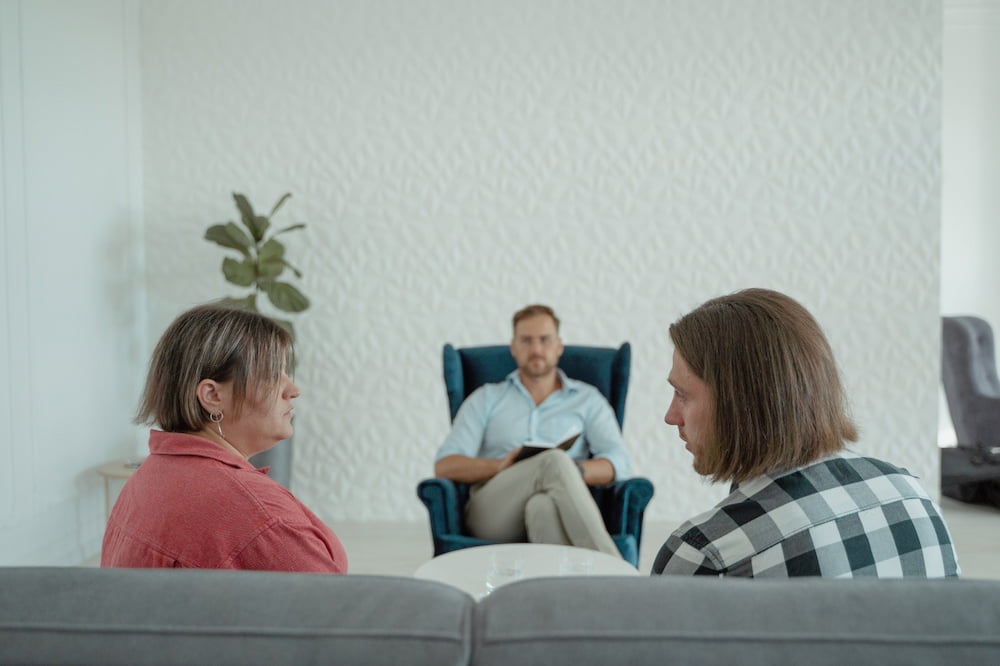
Most couples wait too long to seek counseling, and by then, it’s often too late.
According to the American Association of Marriage and Family Therapists, the average couple waits six years after the first sign of trouble before seeking help. And by then, they’re usually in pretty bad shape.
That’s why it’s so important for couples to seek out counseling as soon as they start having problems. If you can catch things early on, you have a better chance of saving your relationship.
And that’s where marriage counselors come in. Marriage counselors help couples work through their problems and find solutions to the issues facing them. They provide guidance, insight, and support during difficult times, helping couples reconnect and move forward in a healthier direction.
How To Become A Successful Marriage Counselor
If you’re considering becoming a marriage counselor, it’s important to understand what it takes to be successful in this profession. Here are a few tips to help you get started:
1. Become licensed
The first step is to become licensed. Marriage counselors need to have a master’s degree, usually in counseling or marriage and family therapy, and then they must pass the state licensing exams in order to practice.
MFT licensing requirements vary from state to state and are not portable as with any other healthcare license. However, there are slight variations among states. You can enhance your MFT license portability by graduating from COAMFTE-accredited programs or their equivalent. Depending on the state, demonstrating “equivalency” for non-COAMFTE programs may be easy or difficult. It might also require extra coursework. But when graduating from a COAMFTE program, the state will assume you meet their educational requirements– making it much easier to transfer your license.
The process of obtaining a license is lengthy and detailed, but following all local laws and regulations is essential before establishing a private practice as a marriage counselor. With the proper credentials, you can expand your practice, become more accomplished and be successful in helping couples work through their issues together.
2. Develop your skills
Once you’ve become licensed, becoming a successful marriage counselor will require continuous learning and developing your skills. Clients expect that the counselor they’ve hired is up-to-date on the latest techniques and has deep knowledge in their field. This means constantly reading new material, attending seminars, and seeing clients as often as possible to expand your understanding of marriage counseling and put into practice what you know.
It’s also important to stay current with new research on topics related to marriage counseling, such as family dynamics, parenting styles, infidelity, communication issues, and problem-solving techniques. By becoming proficient in these areas and breaking out of the “one size fits all” approach to therapy, counselors provide an invaluable service to those in need.
Of course, gaining these qualifications doesn’t guarantee success. But by ensuring you’re well-versed in all aspects of becoming a successful marriage counselor, you can be confident you’re offering best-in-class advice to anyone who needs it.
Overall dedication and hard work are essential for becoming an effective marriage therapist – so don’t be afraid to take on new challenges in order to perfect your craft!
3. Create a professional network
Becoming a successful marriage counselor is more than just having the right credentials and becoming a master of marriage counseling techniques. It’s also important to grow your professional network. This means creating strong relationships with other professionals, such as psychologists, psychiatrists, and social workers.
Having peers in the industry can be incredibly valuable for seeking advice and gaining suggestions for new strategies. Plus, you can attend conferences and workshops together to further develop professionally as well as to network with others in your field. Best of all, it allows you to share resources such as referral services and marketing strategies from a more experienced perspective.
4. Maintain a positive attitude
Becoming a successful marriage counselor takes practice, dedication, and patience – qualities that all require a positive mindset. Not only does maintaining an upbeat attitude make the process easier for couples seeking counsel, but it is also beneficial for counselors themselves by providing them with the resilience needed to keep going despite any word-related challenges.
The job also requires knowledge of communicative techniques such as active listening, which can help break down communication barriers between couples and build the mutual understanding needed for problem-solving. Incorporating this communicative know-how into your practice provides tools for navigating difficult conversations more efficiently while also paving the way for sustainable outcomes that benefit both parties involved.
Having an optimistic outlook combined with an understanding of useful communicative techniques enables counselors to provide more help to married couples looking to strengthen their relationship ties. Together these two aspects are invaluable assets that give those aspiring to excel at becoming relationship professionals the opportunity to do just that – become successful marriage counselors.
How long does it take to become a marriage and family therapist?
Becoming a marriage and family therapist is no small feat, but it can open up important opportunities to provide healing and support to others. Of course, becoming a successful marriage counselor takes more than just good intentions. You need to know the best practices, be familiar with relevant research, and understand the legal aspects of working in this field.
If you want to make this your full-time career, the process may involve completing a master’s program followed by several years of supervised practice leading up to licensing. This timeline varies from state to state and will vary for individuals depending on their unique circumstances. Some people opt to pursue post-graduate degrees or specialize in certain topics, which can extend the timeline further.
No matter what path you choose, becoming a marriage and family therapist requires commitment and dedication – though the rewards can be great for those who succeed. With time, patience, and hard work, you too can join the ranks of accomplished marriage counselors.
Conclusion
Following these tips should help you become a successful marriage counselor. With hard work, dedication, and the right resources, you can make a real difference in your clients’ lives.
Read Also
- Top Trends Shaping the Future of Mental Health Care
 Mental health care is moving fast to meet daily human needs. People want direct care that fits modern life. Clinics respond by creating flexible options that make healing easier to reach. Providers look past rigid habits to give people solid care. From smart tools to body wellness, these changes help people find relief when life… Read more: Top Trends Shaping the Future of Mental Health Care
 - Full-Arch Dental Tourism: Why UK Patients With Severe Bone Loss Are Looking AbroadDental implants have become one of the fastest-growing segments of private dentistry. Within that market, one patient group behaves very differently from the rest: people who have been told they do not have enough upper jawbone for conventional implants. For these patients, the choice is rarely between one clinic and another. It is between a… Read more: Full-Arch Dental Tourism: Why UK Patients With Severe Bone Loss Are Looking Abroad
- Levels of Mental Health Care and When to Seek SupportMental health care can range from occasional outpatient appointments to 24-hour hospital treatment. The appropriate level depends on safety, symptom severity, daily functioning, medical needs, available support, treatment history and personal preferences. A licensed clinician should assess these factors rather than relying on a symptom list alone. Need help now? In the United States, call… Read more: Levels of Mental Health Care and When to Seek Support
- How to Choose a Shilajit Brand Based on the ResearchIn a randomized trial published in the Journal of the International Society of Sports Nutrition in 2019, 63 active men took 250 mg of standardized shilajit, 500 mg, or a placebo every day for eight weeks, and the benefit for strength retention after a fatiguing workout appeared only at 500 mg. For anyone choosing a… Read more: How to Choose a Shilajit Brand Based on the Research
- How to Incorporate Relaxation into Your Busy ScheduleFinding balance when you have a packed daily agenda often feels out of reach. Between work duties, family obligations, and personal projects, personal rest usually gets pushed to the bottom of the list. Small, intentional shifts in daily habits can help restore calm without requiring hours of extra free time. Continue reading to discover everything… Read more: How to Incorporate Relaxation into Your Busy Schedule
- Red Light Therapy for Skin and Wellness: Meet Vital Red Light TherapyModern wellness is not always about complicated treatments or long routines. Many people are now looking for simple, convenient ways to support their skin, recovery, and overall wellness at home. One technology getting more attention is red light therapy. Red light therapy uses specific wavelengths of red and near-infrared light to support the body’s natural… Read more: Red Light Therapy for Skin and Wellness: Meet Vital Red Light Therapy