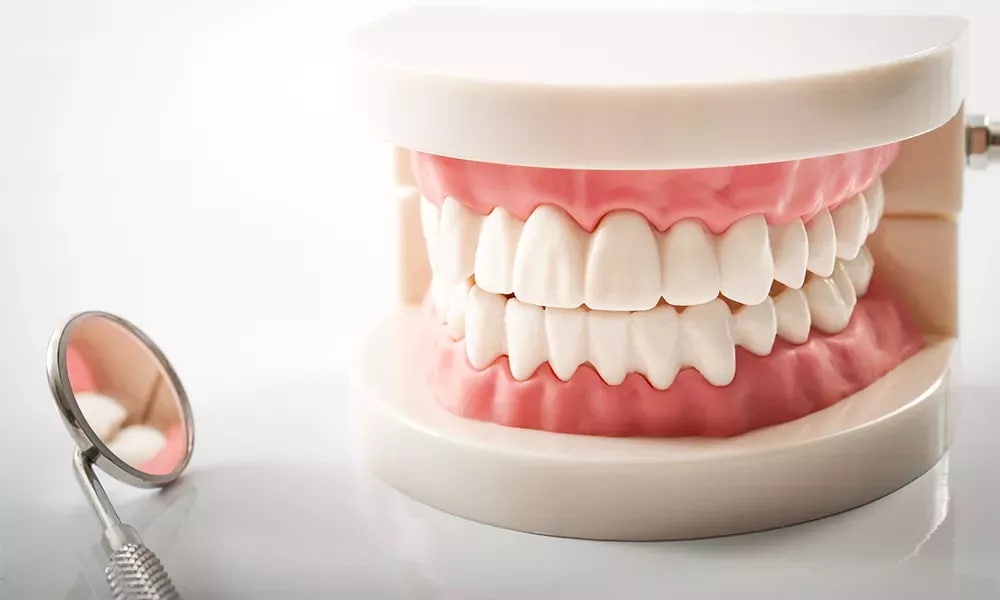
Dentists solve the toothlessness problem by fixing dentures to ensure you rock that killer smile and your teeth function well. Even so, dentures are not as indestructible as one may think. Some practices may damage your dentures and render them unusable.
Keep reading to know why your dentures may spoil and how you may fix them.
What Can Cause Your Dentures to Spoil?
People struggle with dentures, especially when they are new and unfamiliar with how to use them. It may even result in lousy denture care practices such as;
– Forgetting to take out dentures when going to sleep – Your dentist will recommend that you soak your dentures overnight in a solution that cleans them. Doing this has the advantage of removing stains and bacteria in your mouth.
– Using your regular toothpaste to clean your dentures – The best cleaning agent is toothpaste meant for cleaning dentures since it doesn’t have the abrasive substances found in regular toothpaste.
– Dropping them – They may sometimes fall off your bedside table or bathroom countertop, causing them to chip or crack. If you’re prone to dropping them, consider insulating the floor area where you put them with carpet or a soft towel.
Step-by-Step Process of Denture Repair
It’s a delicate process that requires expertise from a qualified dentist such as those from 3d smile solutions.
Here are the step-by-step procedures they’ll follow to repair your damaged dentures:
1- Readjust the broken piece together, then apply sticky wax along the fractured line to hold the denture in position.
2- Apply a small amount of plaster to the ridgy tissue side of the fractured part.
3- Place the denture on a glass slab containing plaster and wait for the plaster to set within 10 minutes.
4- Remove the denture from the plaster cast using a lab knife, then trim the cast on the model trimmer.
5- Paint liquid foil substitute over the surface of the impression plaster cast and reposition the dentures on the plaster cast.
6- Wet the fractured line with liquid monomer and powder polymer. Repeat the process for both labial and lingual areas.
7- Apply petroleum jelly over the acrylic resin and wait for the denture to dry out for five minutes.
8- Within 10 to 15 minutes, ensure you place the denture in lukewarm water to ensure that it hardens the acrylic resin.
9- Use a laboratory knife to remove the denture from the cast carefully.
10- Use a vulcanite trimming bur and a dental rug wheel to smooth the repaired area.
11- The dentures are ready for use once again.
Is It a Good Idea to Repair or Get New Dentures?
It depends on the extent of the damage. A dentist can fix the simple chips you may get in your dentures. However, extensive damage like huge cracks and breakages or considerable wear and tear may require you to get a set of new dentures.
Whatever the damage, you need your dentures to remain in top condition to avoid the physical discomfort or health risks a broken denture may cause.
If your dentures need fixing, visit this dentist who does dentures and dental crowns in Chandler to get started.
Read Also
- Where to Find Reliable Mental Health Support for Teens
 Have you noticed changes in your teen’s mood, sleep, or behavior that leave you worried? Growing up can bring stress from school, friends, family, and new demands. Some teens may struggle to share their feelings or ask for help, even when they need support. Finding the right mental health support for teens can help them… Read more: Where to Find Reliable Mental Health Support for Teens
 - Top Trends Shaping the Future of Mental Health CareMental health care is moving fast to meet daily human needs. People want direct care that fits modern life. Clinics respond by creating flexible options that make healing easier to reach. Providers look past rigid habits to give people solid care. From smart tools to body wellness, these changes help people find relief when life… Read more: Top Trends Shaping the Future of Mental Health Care
- Full-Arch Dental Tourism: Why UK Patients With Severe Bone Loss Are Looking AbroadDental implants have become one of the fastest-growing segments of private dentistry. Within that market, one patient group behaves very differently from the rest: people who have been told they do not have enough upper jawbone for conventional implants. For these patients, the choice is rarely between one clinic and another. It is between a… Read more: Full-Arch Dental Tourism: Why UK Patients With Severe Bone Loss Are Looking Abroad
- Levels of Mental Health Care and When to Seek SupportMental health care can range from occasional outpatient appointments to 24-hour hospital treatment. The appropriate level depends on safety, symptom severity, daily functioning, medical needs, available support, treatment history and personal preferences. A licensed clinician should assess these factors rather than relying on a symptom list alone. Need help now? In the United States, call… Read more: Levels of Mental Health Care and When to Seek Support
- How to Choose a Shilajit Brand Based on the ResearchIn a randomized trial published in the Journal of the International Society of Sports Nutrition in 2019, 63 active men took 250 mg of standardized shilajit, 500 mg, or a placebo every day for eight weeks, and the benefit for strength retention after a fatiguing workout appeared only at 500 mg. For anyone choosing a… Read more: How to Choose a Shilajit Brand Based on the Research
- How to Incorporate Relaxation into Your Busy ScheduleFinding balance when you have a packed daily agenda often feels out of reach. Between work duties, family obligations, and personal projects, personal rest usually gets pushed to the bottom of the list. Small, intentional shifts in daily habits can help restore calm without requiring hours of extra free time. Continue reading to discover everything… Read more: How to Incorporate Relaxation into Your Busy Schedule