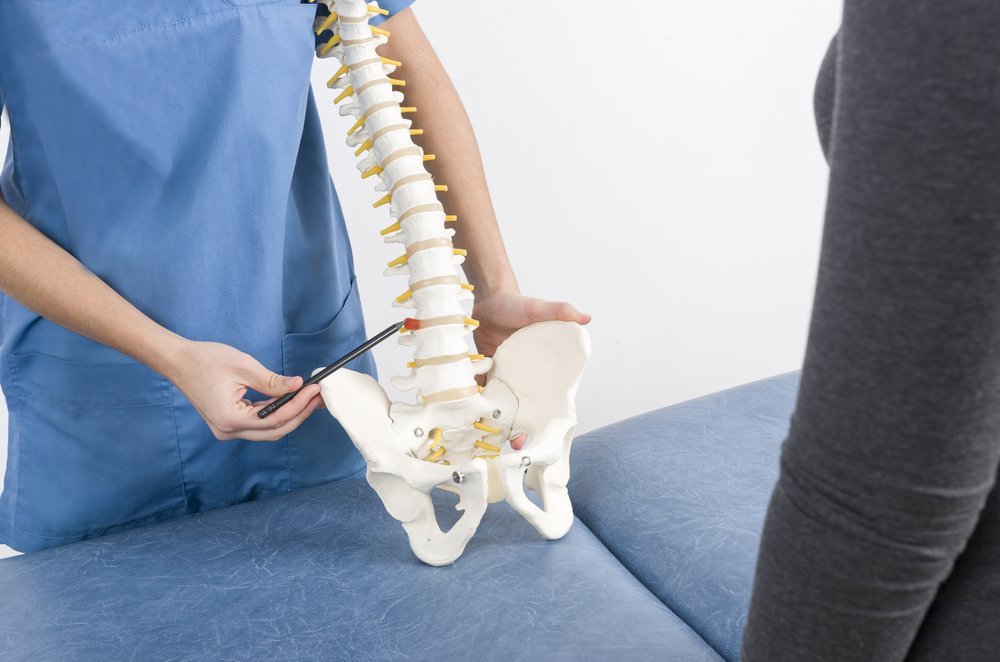
The Hidden Impact of Poor Posture
Slouching at a desk, constantly checking phones, and performing repetitive tasks have become common habits. These patterns exert uneven stress on the spine, leading to small shifts that the body attempts to compensate for. Over time, these minor misalignments can cause muscle tension, joint fatigue, and strain, potentially decreasing flexibility.
Back discomfort is widespread—about 80% of adults will experience it during their lives, according to the American Chiropractic Association. Early signs, such as reduced movement or tension, often go unnoticed. Without attention, these issues can limit daily function and initiate a cycle of increased pain and new strains. Focused spinal care can help manage these early issues before they develop into larger problems.
Why a St George Chiropractic Expert Elevates Your Alignment
A spinal care specialist with formal chiropractic credentials can spot joint restrictions and patterns that limit nerve flow. Using a trained eye and careful assessment, the practitioner detects areas where joints move poorly, causing tightness or nagging pain. More than just finding sore spots, the specialist looks for shifts that disrupt the spine’s natural curves.
Targeted adjustments guide the spine back to its ideal position. These gentle, precise moves reduce strain on nerves, helping the body move and heal better. Restoring alignment doesn’t just relieve pain. Many find they sleep better because tense muscles relax. Some notice workouts feel smoother and daily movement easier, since nerves communicate freely.
For example, a teacher who used to wake up with a stiff neck can turn his head with less discomfort. An athlete may run with improved efficiency. A parent may bend and lift children with less effort. These improvements come from restoring the body’s ability to move as intended.
Key Techniques from St George Back Health Practitioners
Back health practitioners use a blend of methods based on individual needs. To bring relief and restore balance, a St George chiropractor often chooses from several trusted techniques:
High-velocity manipulation:
The practitioner applies a quick, controlled thrust to a specific joint. This technique targets tight or “stuck” areas, often producing a brief popping sound. The result? More mobility and reduced tension in the area.
Gentle mobilization:
This method uses slow, steady movements to encourage joints to move more freely. It’s ideal for those who need a lighter approach or have chronic stiffness. Improved circulation and less muscle guarding usually follow.
Soft-tissue therapy:
Here, focused pressure or stretching eases tension in muscles and connective tissues. The practitioner targets areas that feel ropey or knotted. As muscles relax, the spine moves more easily and everyday movements feel less restricted.
Instrument-assisted release:
Instead of hands, practitioners use small devices to apply gentle force to muscles or joints. This can help break down scar tissue, reduce swelling, and improve blood flow. People often notice less pain and more comfortable motion after treatment.
| Technique | What the Practitioner Does | How the Body Responds |
| High-velocity manipulation | Quick, targeted thrust to a joint | Freer movement, reduced pressure on nerves |
| Gentle mobilization | Slow, rhythmic passive movement | More range of motion, less stiffness |
| Soft-tissue therapy | Focused massage/stretching on sore muscles | Looser muscles, better flexibility |
| Instrument-assisted release | Precise tool-guided pressure on tissue/joints | Less swelling, smoother joint movement |
Each method aims for safe improvement in spinal movement and less nerve pressure. Together, they support overall comfort and function.
Integrating Spinal Wellness into Daily Routines
Small, daily habits can support the work of a spinal care specialist. Try these changes for better back health:
- Desk stretches:
Reach overhead or twist gently every 30–60 minutes. Helps break up stiffness. - Ergonomic cues:
Keep your monitor at eye level and both feet flat on the floor. Reduces neck and back strain. - Posture checks:
Use a mirror or the “doorway test.” Stand so your head, shoulders, and hips touch the wall. Keeps you aware of slouching. - Movement breaks:
Set a timer to stand or walk every hour. Prevents muscles from locking up. - Sleep posture tweaks:
Place a pillow under your knees if you sleep on your back, or between your knees if you’re on your side. Supports spinal curves overnight.
Consistent use of these habits prevents small issues from becoming chronic. Over time, these steps lead to better posture and less discomfort.
Measuring Progress: Tracking Your Pain Relief Journey
Tracking changes makes improvements easy to see. Try these simple self-checks:
- Use a pain-rating scale from 0 (no pain) to 10 (worst pain).
- Record mobility: Can you touch your toes? How far can you rotate your head?
- Keep a sleep journal with notes on nights you rest well or wake stiff.
Set clear, short-term targets—like improving fingertip reach by 10 degrees or lowering pain by two levels within two weeks. Bring these records to your spinal care specialist so adjustments can be matched to your progress. This makes care more effective and goal-oriented.
Stepping Forward: Your Next Move Toward Lasting Spine Comfort
Professional spinal care, combined with daily habits, helps restore pain-free movement and prevent future problems. Targeted adjustments align your body, while home routines reinforce these changes for lasting relief. Take the next step—consider an evaluation from a trained spinal care specialist for a plan that fits your needs. Your path to comfortable movement and better posture starts with simple, consistent actions.
Did you find this helpful? Check out our other helpful articles on our website.
Read Also
- Top Trends Shaping the Future of Mental Health Care
 Mental health care is moving fast to meet daily human needs. People want direct care that fits modern life. Clinics respond by creating flexible options that make healing easier to reach. Providers look past rigid habits to give people solid care. From smart tools to body wellness, these changes help people find relief when life… Read more: Top Trends Shaping the Future of Mental Health Care
 - Full-Arch Dental Tourism: Why UK Patients With Severe Bone Loss Are Looking AbroadDental implants have become one of the fastest-growing segments of private dentistry. Within that market, one patient group behaves very differently from the rest: people who have been told they do not have enough upper jawbone for conventional implants. For these patients, the choice is rarely between one clinic and another. It is between a… Read more: Full-Arch Dental Tourism: Why UK Patients With Severe Bone Loss Are Looking Abroad
- Levels of Mental Health Care and When to Seek SupportMental health care can range from occasional outpatient appointments to 24-hour hospital treatment. The appropriate level depends on safety, symptom severity, daily functioning, medical needs, available support, treatment history and personal preferences. A licensed clinician should assess these factors rather than relying on a symptom list alone. Need help now? In the United States, call… Read more: Levels of Mental Health Care and When to Seek Support
- How to Choose a Shilajit Brand Based on the ResearchIn a randomized trial published in the Journal of the International Society of Sports Nutrition in 2019, 63 active men took 250 mg of standardized shilajit, 500 mg, or a placebo every day for eight weeks, and the benefit for strength retention after a fatiguing workout appeared only at 500 mg. For anyone choosing a… Read more: How to Choose a Shilajit Brand Based on the Research
- How to Incorporate Relaxation into Your Busy ScheduleFinding balance when you have a packed daily agenda often feels out of reach. Between work duties, family obligations, and personal projects, personal rest usually gets pushed to the bottom of the list. Small, intentional shifts in daily habits can help restore calm without requiring hours of extra free time. Continue reading to discover everything… Read more: How to Incorporate Relaxation into Your Busy Schedule
- Red Light Therapy for Skin and Wellness: Meet Vital Red Light TherapyModern wellness is not always about complicated treatments or long routines. Many people are now looking for simple, convenient ways to support their skin, recovery, and overall wellness at home. One technology getting more attention is red light therapy. Red light therapy uses specific wavelengths of red and near-infrared light to support the body’s natural… Read more: Red Light Therapy for Skin and Wellness: Meet Vital Red Light Therapy
- Managing Shock Loss After a Hair Transplant: The Financial and Clinical Imperative of Post-Op CareIn the rapidly evolving landscape of private healthcare, executive leadership within cosmetic and restorative surgery clinics faces a dual challenge: maintaining strict clinical standards while maximizing patient lifetime value (LTV) and brand advocacy. As the global medical tourism and elective procedure markets expand, clinical outcome quality alone is no longer the sole differentiator for premium… Read more: Managing Shock Loss After a Hair Transplant: The Financial and Clinical Imperative of Post-Op Care
- Transform Your Skin Health: Premier Gluta IV Therapy in DubaiThis comprehensive guide explores how modern intravenous wellness treatments can help revitalize your complexion, boost immune function, and support overall cellular health. By incorporating modern IV therapy Dubai services into a routine health regimen, individuals can achieve direct nutrient absorption for optimal results. Selecting a customized gluta IV drip Dubai treatment provides targeted antioxidant defense,… Read more: Transform Your Skin Health: Premier Gluta IV Therapy in Dubai