Have you ever wondered how healing flowers could enhance your well-being?
In this article, we explore the top healing flowers for holistic wellness. You’ll uncover the incredible benefits these natural wonders offer. From boosting mood to improving sleep, the power of healing flowers goes well beyond simple beauty.
Ready for an enchanting journey into the world of flowers? Let’s dive in!
Lavender (Lavandula)
Lavender, known scientifically as Lavandula, is more than a pretty purple plant. It has a soothing scent that many people find relaxing. This flower is famous for its ability to help with stress and anxiety.
Lavender essential oil is often used in aromatherapy to promote calmness and wellness. It’s also used to help you get a good night’s sleep.
Chamomile (Matricaria Chamomilla)
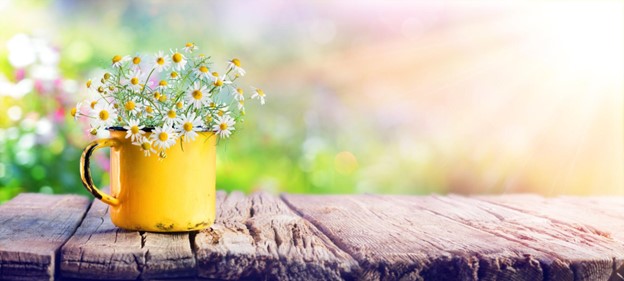
As scientifically known, Chamomile, or Matricaria Chamomilla, is a cute little daisy-like flower. It’s not just pretty; it’s also packed with healing qualities. It’s been used for centuries to calm the mind and help with sleep.
You can enjoy this nervine relaxant in a soothing tea or use the essential oil for relaxation. It’s a natural, gentle way to take care of your well-being.
Calendula (Calendula Officinalis)
Calendula, also known as Calendula Officinalis, is a beautiful flower with bright orange petals that bring a splash of color to any garden. But this isn’t just a pretty face; it’s a flower filled with healing properties. Calendula is often used to soothe skin, heal wounds, and reduce inflammation.
You can use calendula oil for skincare or enjoy a warm cup of calendula tea for inner wellness. This miraculous flower offers gentle, natural care for your health and well-being.
Rose (Rosa)
Roses, scientifically known as Rosa, are well-known for their classic beauty and alluring scent. But did you know they also have healing properties? Roses are packed with antioxidants and vitamins that can benefit your health.
Rose water is often used in beauty routines for its soothing and rejuvenating properties. You can also enjoy rose tea, which boosts digestion and immunity.
Echinacea (Echinacea Purpurea)
Echinacea, known by its scientific name Echinacea Purpurea, is a vibrant flower boasting a beautiful array of pinkish-purple petals. This native North American flower is a feast for the eyes and a powerhouse of healing benefits. It is renowned for boosting the immune system and fending off common colds.
You can enjoy the benefits of Echinacea in various forms, such as supplements, tea, and topical creams. With Echinacea, maintaining your health becomes a delightful, natural experience.
Hibiscus (Hibiscus Sabdariffa)
Hibiscus, scientifically known as Hibiscus Sabdariffa, is more than just a colorful addition to a garden. This plant is beautiful and mighty, offering a range of healing benefits. Its vibrant red flowers are a source of various antioxidants that boost your overall health.
You can enjoy hibiscus in a refreshing tea, which is delicious and beneficial to heart health. For more information on holistic well-being and incorporating hibiscus into your wellness routine, visit Wholisticmatters.com.
Embrace Serenity With Healing Flowers
Healing flowers can create a tranquil atmosphere, delivering wellness benefits beyond pure aesthetics. Adding these botanical gems to your daily regimen allows you to embrace a more holistic and natural approach to health.
The wonder of these medicinal actions is a natural gift we can all enjoy. So, here’s to your health and happiness with the potent power of healing flowers!
Did you find the information in this article helpful? If so, be sure to check out our blog for more valuable resources.
Read Also
- Where to Find Reliable Mental Health Support for Teens
 Have you noticed changes in your teen’s mood, sleep, or behavior that leave you worried? Growing up can bring stress from school, friends, family, and new demands. Some teens may struggle to share their feelings or ask for help, even when they need support. Finding the right mental health support for teens can help them… Read more: Where to Find Reliable Mental Health Support for Teens
 - Top Trends Shaping the Future of Mental Health CareMental health care is moving fast to meet daily human needs. People want direct care that fits modern life. Clinics respond by creating flexible options that make healing easier to reach. Providers look past rigid habits to give people solid care. From smart tools to body wellness, these changes help people find relief when life… Read more: Top Trends Shaping the Future of Mental Health Care
- Full-Arch Dental Tourism: Why UK Patients With Severe Bone Loss Are Looking AbroadDental implants have become one of the fastest-growing segments of private dentistry. Within that market, one patient group behaves very differently from the rest: people who have been told they do not have enough upper jawbone for conventional implants. For these patients, the choice is rarely between one clinic and another. It is between a… Read more: Full-Arch Dental Tourism: Why UK Patients With Severe Bone Loss Are Looking Abroad
- Levels of Mental Health Care and When to Seek SupportMental health care can range from occasional outpatient appointments to 24-hour hospital treatment. The appropriate level depends on safety, symptom severity, daily functioning, medical needs, available support, treatment history and personal preferences. A licensed clinician should assess these factors rather than relying on a symptom list alone. Need help now? In the United States, call… Read more: Levels of Mental Health Care and When to Seek Support
- How to Choose a Shilajit Brand Based on the ResearchIn a randomized trial published in the Journal of the International Society of Sports Nutrition in 2019, 63 active men took 250 mg of standardized shilajit, 500 mg, or a placebo every day for eight weeks, and the benefit for strength retention after a fatiguing workout appeared only at 500 mg. For anyone choosing a… Read more: How to Choose a Shilajit Brand Based on the Research
- How to Incorporate Relaxation into Your Busy ScheduleFinding balance when you have a packed daily agenda often feels out of reach. Between work duties, family obligations, and personal projects, personal rest usually gets pushed to the bottom of the list. Small, intentional shifts in daily habits can help restore calm without requiring hours of extra free time. Continue reading to discover everything… Read more: How to Incorporate Relaxation into Your Busy Schedule
- Red Light Therapy for Skin and Wellness: Meet Vital Red Light TherapyModern wellness is not always about complicated treatments or long routines. Many people are now looking for simple, convenient ways to support their skin, recovery, and overall wellness at home. One technology getting more attention is red light therapy. Red light therapy uses specific wavelengths of red and near-infrared light to support the body’s natural… Read more: Red Light Therapy for Skin and Wellness: Meet Vital Red Light Therapy
- Managing Shock Loss After a Hair Transplant: The Financial and Clinical Imperative of Post-Op CareIn the rapidly evolving landscape of private healthcare, executive leadership within cosmetic and restorative surgery clinics faces a dual challenge: maintaining strict clinical standards while maximizing patient lifetime value (LTV) and brand advocacy. As the global medical tourism and elective procedure markets expand, clinical outcome quality alone is no longer the sole differentiator for premium… Read more: Managing Shock Loss After a Hair Transplant: The Financial and Clinical Imperative of Post-Op Care