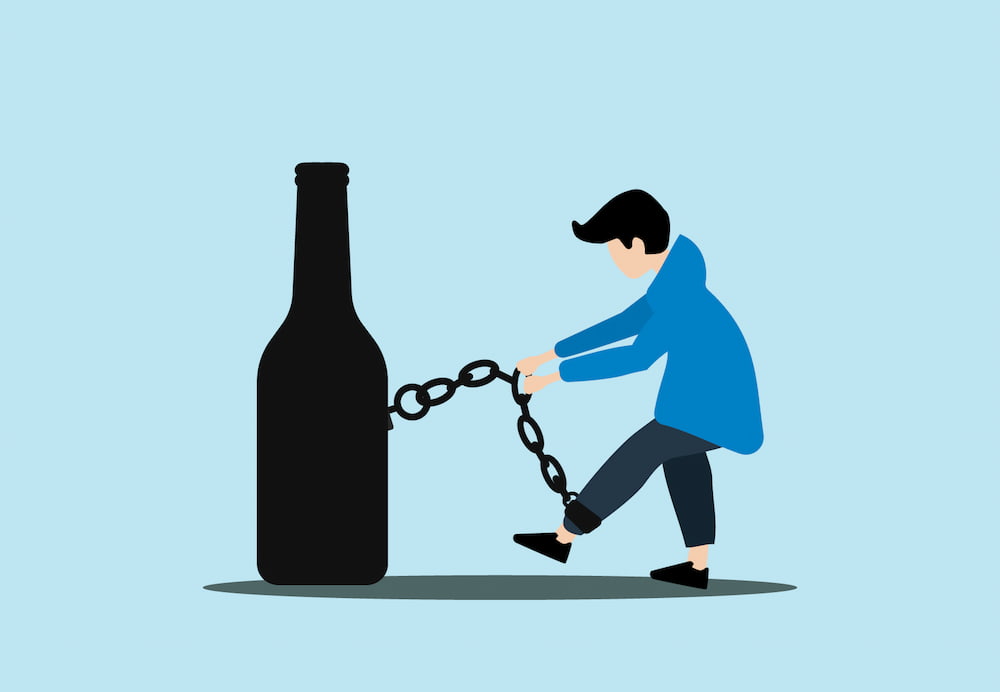
The U.S. Food and Drug Administration has approved four medications to help treat alcoholism: acamprosate, disulfiram, naltrexone, and topiramate. However, these medications may not work for every client. That’s why talking to your healthcare professional before taking them is essential.
Acamprosate
Acamprosate increases abstinence rates among clients with alcohol use disorder. It is one of the recently approved treatments for alcohol dependence in the U.S. If you know of someone who might benefit from rehabilitation from alcohol abuse disorder, please visit website for more detailed information and resources.
Here is how it works:
- Acamprosate reduces the adverse effects people are likely to experience when they decide to reduce alcohol use, which can lead to relapse.
- It corrects the underlying neurochemical changes caused by chronic drinking, helping the brain to restore its normal function.
Inform your doctor if you are allergic to sulfites or any of the tablets’ ingredients before taking it. People with the following conditions should avoid the medicine:
- People who are breastfeeding
- People with allergic reactions to Campral or sulfites
- Clients who suffer from depression
- People with kidney disease
- Someone who is pregnant or trying to get pregnant.
Disulfiram
The first medicine to be approved by the U.S. to treat alcohol dependence was disulfiram. It causes severe adverse reactions when someone taking the medication consumes alcohol. Some of the unpleasant effects include:
- Headache
- Vomiting
- Nausea
- Sweating
- Chest pain
- Flushing
- Sweating.
Many of the effects mentioned above can last an hour or longer. Here are a few things you should take into consideration before you begin taking the medication:
- People who are on the verge of quitting alcoholism but cannot use acamprosate and naltrexone due to complications or other medical conditions are encouraged to use this medicine.
- The treatment is not recommended for people with coronary heart disease or psychosis.
- After one stops drinking, they should wait at least 12 hours before taking the medicine.
Naltrexone
Naltrexone works by decreasing the craving for alcohol. It works in the brain by dismissing the pleasurable feeling that comes with getting high. It can be injected or taken orally.
Some of the primary adverse effects of the injectable and the oral version of naltrexone include:
- Nausea
- Diarrhea
- Dizziness.
Clients with significant liver disease and those who require opiate medications to manage pain cannot take the medicine. Clients should be free of opioids for between seven to ten days before taking naltrexone. Observing this rule will help them avoid precipitating an opioid-withdrawal syndrome.
Topiramate
Topiramate was used in the recent past to treat seizures and headaches. However, doctors now use it to treat alcohol use disorder. Topiramate reduces alcohol cravings as well as anxiety and depression present during the initial stage of alcohol withdrawal.
Medication is one of the approaches medical professionals use to help clients with unhealthy alcohol use decrease their alcohol intake. It plays a vital role in managing alcohol withdrawal symptoms by changing how the body and brain react and managing the long-term effects.
However, the effectiveness of the medications varies from one person to another. That’s why it’s essential to visit an alcohol treatment facility for professional help.
Read Also
- What Makes Permanent Tooth Replacement A Life-Changing Option?
 Missing teeth can cause serious discomfort and lower your self-esteem. Many people struggle with everyday tasks like eating meals and speaking clearly to friends. Traditional dentures offer a quick fix but often slip or feel completely unnatural. A modern approach provides a secure fit that feels exactly like real teeth – giving you true peace… Read more: What Makes Permanent Tooth Replacement A Life-Changing Option?
 - Where to Find Reliable Mental Health Support for TeensHave you noticed changes in your teen’s mood, sleep, or behavior that leave you worried? Growing up can bring stress from school, friends, family, and new demands. Some teens may struggle to share their feelings or ask for help, even when they need support. Finding the right mental health support for teens can help them… Read more: Where to Find Reliable Mental Health Support for Teens
- Top Trends Shaping the Future of Mental Health CareMental health care is moving fast to meet daily human needs. People want direct care that fits modern life. Clinics respond by creating flexible options that make healing easier to reach. Providers look past rigid habits to give people solid care. From smart tools to body wellness, these changes help people find relief when life… Read more: Top Trends Shaping the Future of Mental Health Care
- Full-Arch Dental Tourism: Why UK Patients With Severe Bone Loss Are Looking AbroadDental implants have become one of the fastest-growing segments of private dentistry. Within that market, one patient group behaves very differently from the rest: people who have been told they do not have enough upper jawbone for conventional implants. For these patients, the choice is rarely between one clinic and another. It is between a… Read more: Full-Arch Dental Tourism: Why UK Patients With Severe Bone Loss Are Looking Abroad
- Levels of Mental Health Care and When to Seek SupportMental health care can range from occasional outpatient appointments to 24-hour hospital treatment. The appropriate level depends on safety, symptom severity, daily functioning, medical needs, available support, treatment history and personal preferences. A licensed clinician should assess these factors rather than relying on a symptom list alone. Need help now? In the United States, call… Read more: Levels of Mental Health Care and When to Seek Support
- How to Choose a Shilajit Brand Based on the ResearchIn a randomized trial published in the Journal of the International Society of Sports Nutrition in 2019, 63 active men took 250 mg of standardized shilajit, 500 mg, or a placebo every day for eight weeks, and the benefit for strength retention after a fatiguing workout appeared only at 500 mg. For anyone choosing a… Read more: How to Choose a Shilajit Brand Based on the Research