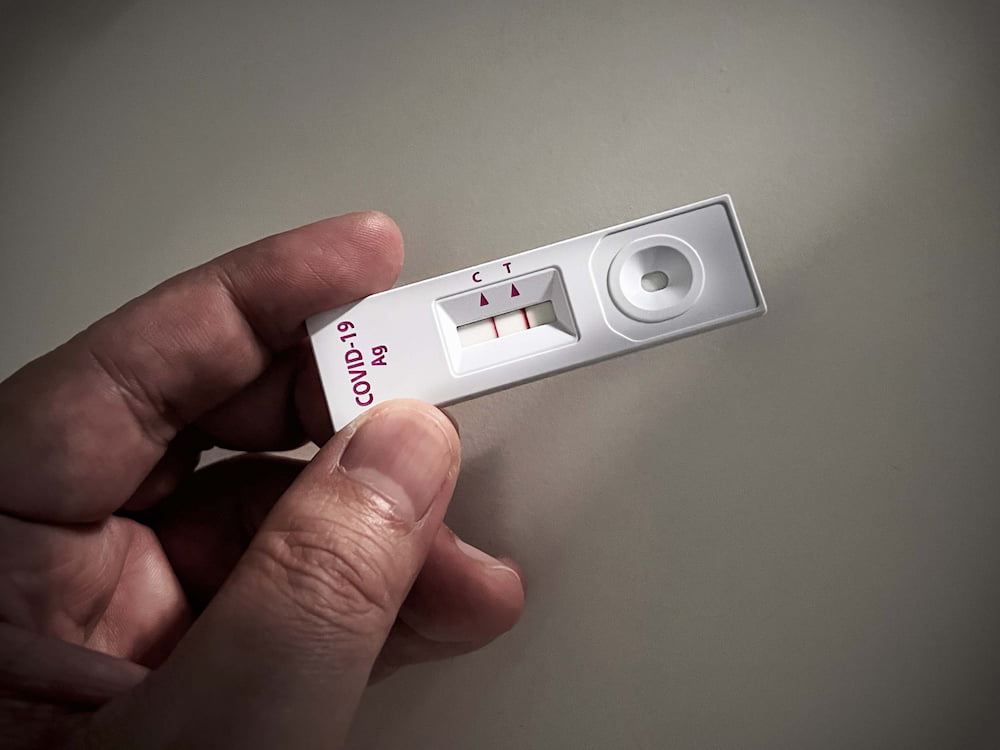
When it comes to fighting the spread of COVID-19, rapid testing has become one of the best tools available. With that in mind, at-home rapid COVID test kits are an excellent way for individuals to easily and quickly determine if they have been infected with the virus. These tests are convenient and can give quicker results than traditional paths like PCR or antigen tests at doctor’s offices.
Moreover, insurance plans may cover at-home tests, making them an even more attractive option. This blog post will discuss five reasons to look for an at-home rapid COVID test kit for sale. From accessibility and accuracy to affordability and peace of mind, access to such a useful tool is undoubtedly invaluable during this pandemic.
Understanding the Benefits of At-Home Rapid COVID Test Kits
The ongoing pandemic has upturned everything we previously knew about healthcare. With the growing cases of COVID-19, testing has become mandatory to control the spread of the virus. But stepping out of the house to get tested seems daunting, especially considering the risk of being exposed to the virus. At-home rapid COVID test kits offer a feasible immediate, and convenient testing solution. These test kits can accurately detect the virus within minutes of use, allowing users to isolate themselves quickly if they test positive.
The benefits are numerous. This method is less invasive, so waiting hours in long queues is unnecessary, and the results are relatively quick. So if you are experiencing any symptoms or have been in close contact with someone infected, an at-home rapid COVID test kit can provide a quick and easy way to test yourself in the comfort of your home.
Advantages of Rapid Testing Over Traditional Tests
Rapid testing has become increasingly popular due to its numerous advantages over traditional testing methods. One significant benefit is speed, as the name suggests. These tests offer quick results, sometimes even in a matter of minutes. This is particularly important when time is of the essence, such as in emergencies or when testing large groups of people.
Rapid tests are less intrusive and more accessible to administer than their traditional counterparts, often requiring only a simple swab or prick. It is generally more cost-effective than conventional tests, making it a valuable tool for healthcare providers and researchers.
How to Prepare for an At-Home Rapid COVID Test Kit
Do your research and purchase a reliable and approved test kit. Read the instructions thoroughly and ensure you have all the necessary items, such as a timer and alcohol swabs. Before taking the test, wash your hands and sanitize the surface where the test will be accepted. Follow the instructions precisely and wait the specified time before checking the results. If you test positive, self-isolate immediately and follow recommended local guidelines. Ensure the test is safely disposed of and marked as medical waste. Do not throw it in the trash or the recycling. This is crucial because such medical waste in garbage spreads COVID and continues the cycle of pain.
Following up After Taking the Rapid Test
After taking the rapid test, it’s important to make sure that you follow up with your healthcare provider. The test can quickly determine if you carry a viral load, but it is not 100% accurate. For example, if the test produces a false negative, this could have serious consequences. You might continue interacting with others, spreading the virus without realizing it. Following up with your healthcare provider can give you peace of mind and ensure you take the necessary precautions. Remember, even if you receive a negative result, taking measures such as wearing a mask and practicing social distancing is still important.
Tips for Staying Safe While Utilizing At-Home Rapid COVID Test Kit
As more and more people turn to at-home rapid COVID test kits, it’s important to remember that safety should always be a top priority. Make sure to read and follow the instructions with the test kit carefully. Properly sanitize any surfaces or tools that come into contact with the kit, and wash your hands thoroughly before and after the test. It’s also a good idea to take the test in a well-ventilated area and to avoid sharing the kit with others. If you test positive, follow your local health department’s isolation guidelines and seek medical care.
In conclusion, at-home rapid COVID test kits can be a useful, convenient tool to stay aware of your health and well-being. Take the time to educate yourself or have someone else do so on the benefits and procedures of using at-home testing kits. Remember that the test results should always be followed up with appropriate medical attention from a healthcare provider.
Read Also
- Top Trends Shaping the Future of Mental Health Care
 Mental health care is moving fast to meet daily human needs. People want direct care that fits modern life. Clinics respond by creating flexible options that make healing easier to reach. Providers look past rigid habits to give people solid care. From smart tools to body wellness, these changes help people find relief when life… Read more: Top Trends Shaping the Future of Mental Health Care
 - Full-Arch Dental Tourism: Why UK Patients With Severe Bone Loss Are Looking AbroadDental implants have become one of the fastest-growing segments of private dentistry. Within that market, one patient group behaves very differently from the rest: people who have been told they do not have enough upper jawbone for conventional implants. For these patients, the choice is rarely between one clinic and another. It is between a… Read more: Full-Arch Dental Tourism: Why UK Patients With Severe Bone Loss Are Looking Abroad
- Levels of Mental Health Care and When to Seek SupportMental health care can range from occasional outpatient appointments to 24-hour hospital treatment. The appropriate level depends on safety, symptom severity, daily functioning, medical needs, available support, treatment history and personal preferences. A licensed clinician should assess these factors rather than relying on a symptom list alone. Need help now? In the United States, call… Read more: Levels of Mental Health Care and When to Seek Support
- How to Choose a Shilajit Brand Based on the ResearchIn a randomized trial published in the Journal of the International Society of Sports Nutrition in 2019, 63 active men took 250 mg of standardized shilajit, 500 mg, or a placebo every day for eight weeks, and the benefit for strength retention after a fatiguing workout appeared only at 500 mg. For anyone choosing a… Read more: How to Choose a Shilajit Brand Based on the Research
- How to Incorporate Relaxation into Your Busy ScheduleFinding balance when you have a packed daily agenda often feels out of reach. Between work duties, family obligations, and personal projects, personal rest usually gets pushed to the bottom of the list. Small, intentional shifts in daily habits can help restore calm without requiring hours of extra free time. Continue reading to discover everything… Read more: How to Incorporate Relaxation into Your Busy Schedule
- Red Light Therapy for Skin and Wellness: Meet Vital Red Light TherapyModern wellness is not always about complicated treatments or long routines. Many people are now looking for simple, convenient ways to support their skin, recovery, and overall wellness at home. One technology getting more attention is red light therapy. Red light therapy uses specific wavelengths of red and near-infrared light to support the body’s natural… Read more: Red Light Therapy for Skin and Wellness: Meet Vital Red Light Therapy