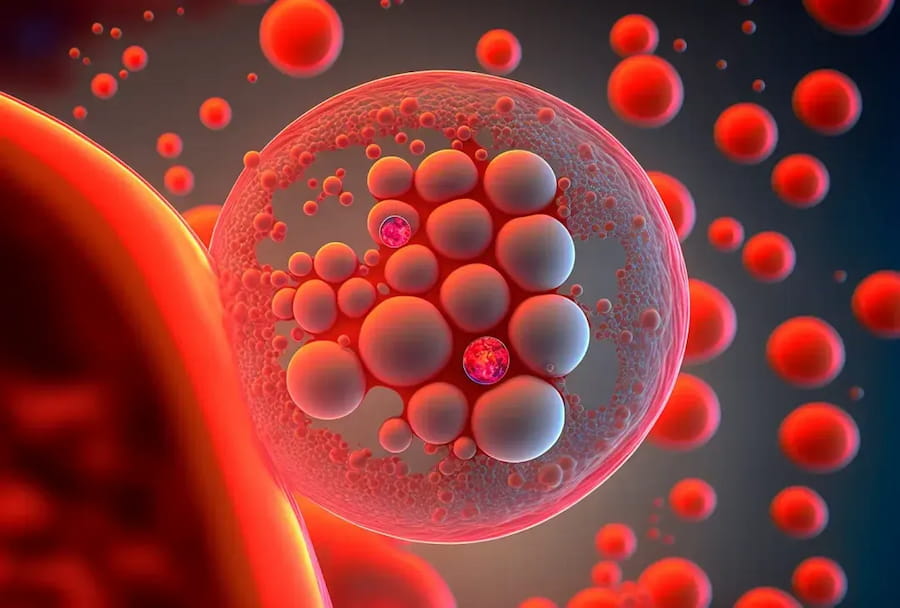
Autoimmune disorders present a complex challenge in the field of medicine. They occur when the immune system mistakenly attacks the body’s own cells, leading to a wide range of symptoms and health issues. Recent advancements in stem cell therapy are opening new frontiers in the treatment of these disorders, offering hope for more effective and sustainable solutions.
Understanding Stem Cells and Their Role
Stem cells serve as the foundational building blocks of the body, from which all other cells with specific functions originate. Their remarkable capacity to differentiate into various cell types renders them extremely valuable for therapeutic uses. In medical scenarios involving autoimmune disorders, stem cells hold the potential to recalibrate the immune system. This recalibration might diminish the overactive immune response typical of such disorders, thus alleviating symptoms and decelerating the advancement of the disease. By resetting the immune system, stem cells offer a novel therapeutic approach that could potentially shift the current treatment paradigm, providing relief and a slower progression of symptoms for those suffering from these challenging conditions.
Types of Stem Cells Used in Treatment
There are two types of stem cells used in treating autoimmune disorders: hematopoietic stem cells (HSCs) and mesenchymal stem cells (MSCs). HSCs, which can be harvested from bone marrow, umbilical cord blood, or peripheral blood, have the capacity to differentiate into any type of blood cell, playing a crucial role in regenerating the blood system. MSCs, on the other hand, are sourced from various adult tissues. Their role extends beyond simple cell replacement; they can modulate immune system responses and reduce inflammation. This makes MSCs especially beneficial in autoimmune therapies, where controlling inflammation and modulating immune responses are critical for treatment effectiveness and improving patient outcomes.
Current Research and Applications
A significant amount of research through companies like Bioxcellerator has been focused on the use of stem cell therapy for multiple sclerosis (MS), rheumatoid arthritis (RA), and systemic lupus erythematosus (SLE). Clinical trials have demonstrated promising results where stem cell transplants have led to prolonged remission in a substantial proportion of patients. In cases of MS, stem cell therapy has not only halted the progression of the disease but also led to physical and neurological improvements.
Challenges and Future Directions
Despite the promising outcomes, there are several challenges that remain. The process of stem cell therapy can be risky and involves complex procedures that may lead to side effects such as infection. Moreover, the long-term effects of stem cell treatments are still under study. Researchers are actively working to refine the techniques to ensure higher safety and efficacy rates. Ongoing trials and studies continue to explore the potential of various stem cell therapies in treating a broader range of autoimmune disorders.
Conclusion
Stem cell therapy offers a revolutionary method for addressing autoimmune disorders, providing fresh hope where conventional treatments might not suffice. With ongoing advancements, this therapy could become more tailored and readily available, potentially revolutionizing how autoimmune diseases are managed. Incorporating stem cell therapy into regular treatment regimens could greatly enhance the life quality of countless patients globally.
Did you find this helpful? Check out our other helpful articles on our website.
Read Also
- What Makes Permanent Tooth Replacement A Life-Changing Option?
 Missing teeth can cause serious discomfort and lower your self-esteem. Many people struggle with everyday tasks like eating meals and speaking clearly to friends. Traditional dentures offer a quick fix but often slip or feel completely unnatural. A modern approach provides a secure fit that feels exactly like real teeth – giving you true peace… Read more: What Makes Permanent Tooth Replacement A Life-Changing Option?
 - Where to Find Reliable Mental Health Support for TeensHave you noticed changes in your teen’s mood, sleep, or behavior that leave you worried? Growing up can bring stress from school, friends, family, and new demands. Some teens may struggle to share their feelings or ask for help, even when they need support. Finding the right mental health support for teens can help them… Read more: Where to Find Reliable Mental Health Support for Teens
- Top Trends Shaping the Future of Mental Health CareMental health care is moving fast to meet daily human needs. People want direct care that fits modern life. Clinics respond by creating flexible options that make healing easier to reach. Providers look past rigid habits to give people solid care. From smart tools to body wellness, these changes help people find relief when life… Read more: Top Trends Shaping the Future of Mental Health Care
- Full-Arch Dental Tourism: Why UK Patients With Severe Bone Loss Are Looking AbroadDental implants have become one of the fastest-growing segments of private dentistry. Within that market, one patient group behaves very differently from the rest: people who have been told they do not have enough upper jawbone for conventional implants. For these patients, the choice is rarely between one clinic and another. It is between a… Read more: Full-Arch Dental Tourism: Why UK Patients With Severe Bone Loss Are Looking Abroad
- Levels of Mental Health Care and When to Seek SupportMental health care can range from occasional outpatient appointments to 24-hour hospital treatment. The appropriate level depends on safety, symptom severity, daily functioning, medical needs, available support, treatment history and personal preferences. A licensed clinician should assess these factors rather than relying on a symptom list alone. Need help now? In the United States, call… Read more: Levels of Mental Health Care and When to Seek Support
- How to Choose a Shilajit Brand Based on the ResearchIn a randomized trial published in the Journal of the International Society of Sports Nutrition in 2019, 63 active men took 250 mg of standardized shilajit, 500 mg, or a placebo every day for eight weeks, and the benefit for strength retention after a fatiguing workout appeared only at 500 mg. For anyone choosing a… Read more: How to Choose a Shilajit Brand Based on the Research
- How to Incorporate Relaxation into Your Busy ScheduleFinding balance when you have a packed daily agenda often feels out of reach. Between work duties, family obligations, and personal projects, personal rest usually gets pushed to the bottom of the list. Small, intentional shifts in daily habits can help restore calm without requiring hours of extra free time. Continue reading to discover everything… Read more: How to Incorporate Relaxation into Your Busy Schedule
- Red Light Therapy for Skin and Wellness: Meet Vital Red Light TherapyModern wellness is not always about complicated treatments or long routines. Many people are now looking for simple, convenient ways to support their skin, recovery, and overall wellness at home. One technology getting more attention is red light therapy. Red light therapy uses specific wavelengths of red and near-infrared light to support the body’s natural… Read more: Red Light Therapy for Skin and Wellness: Meet Vital Red Light Therapy