Back pain is a pervasive and often debilitating condition affecting millions globally. One of the common culprits behind chronic back pain is disc herniation. This condition, also known as a slipped or ruptured disc, can result in significant discomfort and restricted mobility. Understanding the nature of disc herniation and effective treatment strategies is crucial for managing this condition and improving quality of life.
While traditional treatments for disc herniation include physical therapy, medications, and sometimes surgery, innovative therapies are emerging as potential game-changers. One such advanced treatment is Discseel, a minimally invasive procedure that aims to repair and seal damaged discs using fibrin, a natural protein used by the body in the clotting process. This method not only alleviates pain but also helps in the regeneration of disc tissue, making it a promising option for those suffering from herniated discs.
Discseel offers numerous benefits over conventional surgical procedures. It typically involves a shorter recovery time, reduced risk of complications, and less postoperative pain. Moreover, it addresses the root cause of disc herniation by promoting the healing of the torn annulus fibrosus, potentially providing long-term relief and improved spinal health.
Given the debilitating nature of disc herniation, exploring all available treatment options, including innovative ones like Discseel, becomes essential. Patients and healthcare providers can work together to develop a comprehensive treatment plan tailored to individual needs, enhancing the chances of a successful recovery and a better quality of life.
What is Disc Herniation?
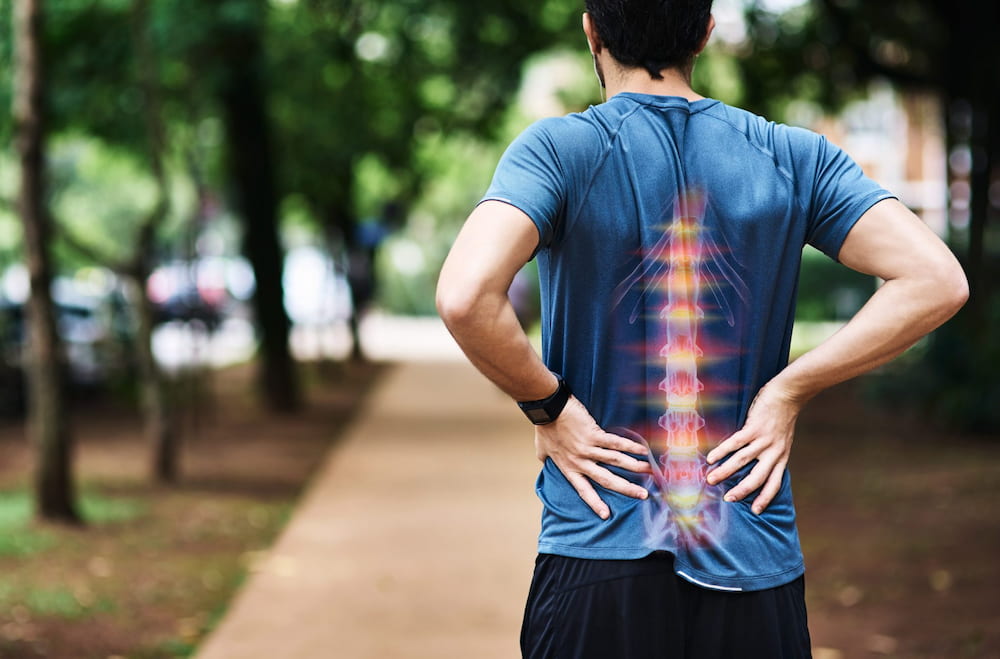
The spine comprises a series of bones (vertebrae) cushioned by intervertebral discs. These discs act as shock absorbers, providing flexibility and support to the spine. Each disc has a tough exterior (annulus fibrosus) and a soft, gel-like center (nucleus pulposus). Disc herniation occurs when there is a tear in the annulus fibrosus, allowing the nucleus pulposus to protrude. This protrusion can press on nearby nerves, leading to pain, numbness, and weakness.
Disc herniation often results from age-related wear and tear, known as degenerative disc disease, although it can also be caused by physical trauma or improper lifting techniques. Individuals experiencing this condition may notice symptoms including localized back pain, sciatica, and muscle weakness, which can severely impact daily activities and overall quality of life.
An effective and innovative treatment option to consider is Discseel, which utilizes fibrin to repair and seal damaged discs, promoting natural healing and reducing the likelihood of recurrence. By addressing the root cause of the herniation, Discseel offers a less invasive and potentially more effective alternative to traditional surgical procedures. Understanding these treatment options is crucial for anyone suffering from disc herniation, emphasizing the importance of consulting healthcare professionals to develop a tailored treatment plan. This approach can significantly enhance recovery outcomes, enabling a return to normalcy and pain-free living.
Symptoms of Disc Herniation
The symptoms of disc herniation vary depending on the disc’s location and the severity of the nerve impingement. Common symptoms include:
– Localized Back Pain: The most prevalent symptom is a sharp or burning pain in the lower back.
– Radiating Pain: Pain may extend to other parts of the body, such as the buttocks, legs, or arms, known as sciatica when it affects the sciatic nerve.
– Numbness and Tingling: A herniated disc might cause a tingling sensation or numbness in the areas served by the affected nerves.
– Muscle Weakness: The muscles serviced by the compressed nerves may weaken, potentially impairing the ability to lift or hold objects.
Causes and Risk Factors
Several factors contribute to the development of disc herniation:
– Age: Age-related wear and tear (degenerative disc disease) can make the discs more susceptible to protrusion.
– Trauma: Injuries resulting from lifting heavy objects incorrectly or sudden impact can cause herniation.
– Genetics: A family history of disc herniation can increase individual susceptibility.
– Lifestyle: A sedentary lifestyle, obesity, and smoking can compromise disc health.
Diagnosing Disc Herniation
A thorough medical examination is essential for diagnosing disc herniation. Physicians generally use:
– Medical History and Physical Exam: Initial assessment to understand symptoms and physical signs.
– Imaging Tests: MRI and CT scans provide detailed images of the spine to confirm the diagnosis and locate the herniation.
Treatment Options for Disc Herniation
Treatment for herniated discs ranges from non-invasive methods to surgical interventions, depending on the severity of the condition:
Conservative Treatments
– Physical Therapy: Targeted exercises can strengthen the back muscles, improve mobility, and alleviate pain.
– Medications: Pain relievers, anti-inflammatory drugs, and muscle relaxants can help manage symptoms.
– Lifestyle Modifications: Weight loss, ergonomic adjustments, and quitting smoking aid in the treatment process.
Non-Surgical Interventions
– Epidural Steroid Injections: Administering corticosteroids near the affected nerve can reduce inflammation and pain.
– Chiropractic Care: Manual manipulation of the spine by a chiropractor may provide relief for some individuals.
Surgical Options:
Microdiscectomy: A minimally invasive surgery to remove the portion of the disc pressing on the nerve.
Laminectomy: A procedure removing part of the vertebrae to relieve pressure on the nerve roots.
Artificial Disc Replacement: In severe cases, replacing the damaged disc with an artificial one may be necessary.
Preventative Measures
Prevention is key to avoiding herniated discs. Some effective strategies include:
– Regular Exercise: Strengthening core muscles provides better support for the spine.
– Proper Lifting Techniques: Using the legs rather than the back to lift heavy objects minimizes injury risk.
– Ergonomics: Ensuring your workplace setup supports good posture and reduces strain on the spine.
– Healthy Lifestyle: Maintaining a healthy weight and quitting smoking enhance overall spinal health.
Conclusion
Disc herniation is a challenging condition, but understanding its symptoms, causes, and treatment options empowers individuals to manage and overcome back pain effectively. Through a combination of conservative treatments, potential medical interventions, and preventive measures, many can find relief and return to a pain-free life. One promising treatment option is Discseel, a minimally invasive procedure that uses fibrin to repair and seal damaged discs. Discseel can provide long-lasting relief by promoting natural healing of the disc tissue while reducing the risk of recurrence.
In addition to innovative treatments like Discseel, it is vital to consult with healthcare professionals who can offer personalized advice and develop the most appropriate treatment plan tailored to each individual’s needs. By being informed and proactive, patients can enhance their quality of life and manage disc herniation more effectively.
Did you find this helpful? Check out our other helpful articles on our website.
Read Also
- Where to Find Reliable Mental Health Support for Teens
 Have you noticed changes in your teen’s mood, sleep, or behavior that leave you worried? Growing up can bring stress from school, friends, family, and new demands. Some teens may struggle to share their feelings or ask for help, even when they need support. Finding the right mental health support for teens can help them… Read more: Where to Find Reliable Mental Health Support for Teens
 - Top Trends Shaping the Future of Mental Health CareMental health care is moving fast to meet daily human needs. People want direct care that fits modern life. Clinics respond by creating flexible options that make healing easier to reach. Providers look past rigid habits to give people solid care. From smart tools to body wellness, these changes help people find relief when life… Read more: Top Trends Shaping the Future of Mental Health Care
- Full-Arch Dental Tourism: Why UK Patients With Severe Bone Loss Are Looking AbroadDental implants have become one of the fastest-growing segments of private dentistry. Within that market, one patient group behaves very differently from the rest: people who have been told they do not have enough upper jawbone for conventional implants. For these patients, the choice is rarely between one clinic and another. It is between a… Read more: Full-Arch Dental Tourism: Why UK Patients With Severe Bone Loss Are Looking Abroad
- Levels of Mental Health Care and When to Seek SupportMental health care can range from occasional outpatient appointments to 24-hour hospital treatment. The appropriate level depends on safety, symptom severity, daily functioning, medical needs, available support, treatment history and personal preferences. A licensed clinician should assess these factors rather than relying on a symptom list alone. Need help now? In the United States, call… Read more: Levels of Mental Health Care and When to Seek Support
- How to Choose a Shilajit Brand Based on the ResearchIn a randomized trial published in the Journal of the International Society of Sports Nutrition in 2019, 63 active men took 250 mg of standardized shilajit, 500 mg, or a placebo every day for eight weeks, and the benefit for strength retention after a fatiguing workout appeared only at 500 mg. For anyone choosing a… Read more: How to Choose a Shilajit Brand Based on the Research
- How to Incorporate Relaxation into Your Busy ScheduleFinding balance when you have a packed daily agenda often feels out of reach. Between work duties, family obligations, and personal projects, personal rest usually gets pushed to the bottom of the list. Small, intentional shifts in daily habits can help restore calm without requiring hours of extra free time. Continue reading to discover everything… Read more: How to Incorporate Relaxation into Your Busy Schedule
- Red Light Therapy for Skin and Wellness: Meet Vital Red Light TherapyModern wellness is not always about complicated treatments or long routines. Many people are now looking for simple, convenient ways to support their skin, recovery, and overall wellness at home. One technology getting more attention is red light therapy. Red light therapy uses specific wavelengths of red and near-infrared light to support the body’s natural… Read more: Red Light Therapy for Skin and Wellness: Meet Vital Red Light Therapy
- Managing Shock Loss After a Hair Transplant: The Financial and Clinical Imperative of Post-Op CareIn the rapidly evolving landscape of private healthcare, executive leadership within cosmetic and restorative surgery clinics faces a dual challenge: maintaining strict clinical standards while maximizing patient lifetime value (LTV) and brand advocacy. As the global medical tourism and elective procedure markets expand, clinical outcome quality alone is no longer the sole differentiator for premium… Read more: Managing Shock Loss After a Hair Transplant: The Financial and Clinical Imperative of Post-Op Care