


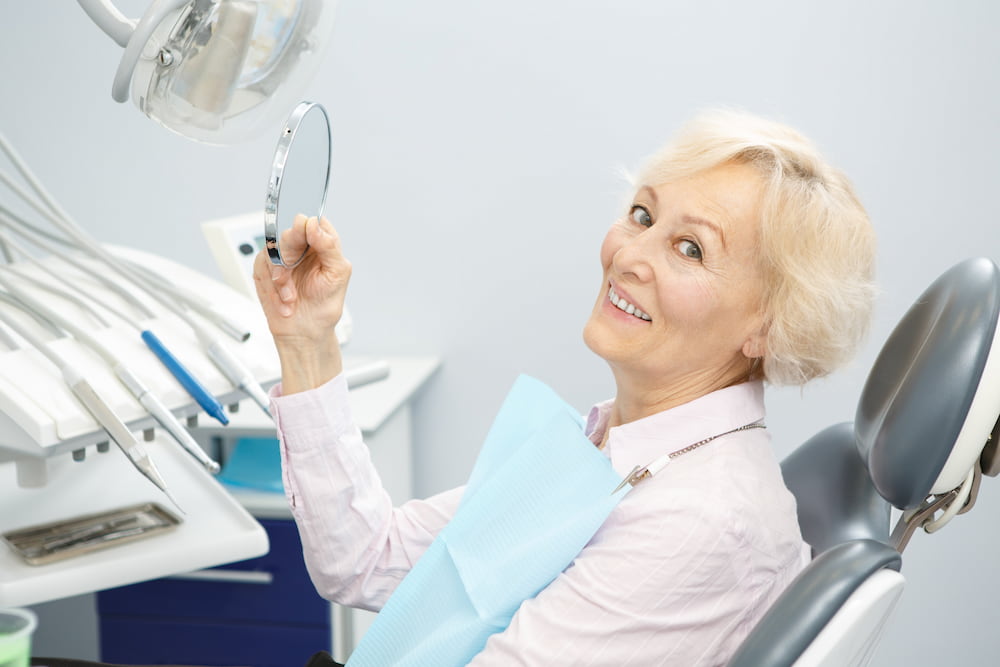
As the years go by, our bodies undergo various changes, and our oral health is no exception. Just as we adapt our lifestyle to accommodate our changing needs, it’s essential to pay special attention to our dental care as we age. Seniors often face unique oral health challenges that require a combination of proper care, regular dental check-ups, and a dash of preventive measures. In this article, we’ll explore the key aspects of dental care for seniors, providing valuable insights into how aging individuals can maintain strong oral health and continue to wear their smiles proudly.
The Changing Landscape of Oral Health
Aging brings about natural changes to our bodies, and our mouths are not exempt from these transformations. One of the most noticeable changes is the wear and tear on our teeth. Over the years, our teeth may become more prone to chips, cracks, and discoloration. Additionally, the risk of tooth decay and gum disease tends to increase with age, demanding a proactive approach to dental care.
Maintaining Impeccable Oral Hygiene
Dental care for seniors begins with impeccable oral hygiene practices. Regular brushing and flossing remain the cornerstone of good oral health. However, there are a few considerations that seniors should keep in mind:
– Gentle Brushing: As we age, our gums may become more sensitive. Opt for a soft-bristle toothbrush to prevent irritation while effectively removing plaque and food particles. Brush your teeth twice a day for about two minutes each time.
– Flossing with Care: Flossing helps remove debris from between teeth and along the gumline. If dexterity becomes an issue, consider using floss holders or interdental brushes to make the process easier.
– Denture Care: For seniors with dentures, proper care is essential. Clean dentures daily using a denture brush and mild cleanser. Additionally, remove your dentures at night to allow your gums to rest. This Invisalign dentist in West Point VA also recommends visiting your dentist regularly so they can check the condition of your dentures and make some fixes if needed.
– Stay Hydrated: Adequate saliva production is crucial for oral health as it helps neutralize acids and wash away food particles. Stay hydrated to support saliva production, and if necessary, talk to your dentist about saliva-enhancing products.
Regular Dental Check-Ups
Just as a well-tuned car needs regular maintenance, so do our smiles. Regular dental check-ups become even more critical for seniors. Dentists can identify potential issues early on and recommend suitable treatments. Ideally, schedule dental visits every six months, or as recommended by your dentist. These appointments allow for professional cleanings, oral exams, and discussions about any concerns you might have.
Special Considerations for Seniors
As we delve into the world of dental care for seniors, it’s essential to address a few specific considerations:
– Dry Mouth: Many seniors experience dry mouth due to various medications or medical conditions. Dry mouth can increase the risk of cavities and discomfort. Drinking water frequently, chewing sugar-free gum, and using saliva substitutes can alleviate this issue.
– Gum Disease: Seniors are more susceptible to gum disease, which, if left untreated, can lead to tooth loss and other health complications. Be vigilant about any signs of bleeding gums, swelling, or bad breath. If you notice any of these symptoms, consult your dentist promptly.
– Medication Review: Keep your dentist informed about any medications you’re taking, as they can impact your oral health. Some medications may lead to dry mouth or other dental issues, requiring tailored solutions.
An overview of dental care for seniors involves a holistic approach that addresses the unique challenges that come with age. By combining diligent oral hygiene practices, regular dental check-ups, and awareness of specific senior-related concerns, you can ensure that your smile remains vibrant and healthy.
Healthy Lifestyle Choices
In addition to a robust oral care routine and regular dental visits, lifestyle choices play a significant role in maintaining strong oral health as you age. A well-balanced diet rich in fruits, vegetables, lean proteins, and whole grains provides the essential nutrients your teeth and gums need to stay healthy. Avoid excessive sugary snacks and drinks, as they can contribute to tooth decay.
Tobacco and Alcohol Use
Tobacco use and excessive alcohol consumption can have severe implications for oral health. Smoking or using smokeless tobacco products increases the risk of gum disease, oral cancers, and tooth loss. Similarly, heavy alcohol consumption can lead to dry mouth, gum irritation, and an increased likelihood of tooth decay. If you’re looking to maintain strong oral health, consider making efforts to quit tobacco use and limit alcohol intake.
Conclusion
Aging gracefully with strong oral health requires dedication, awareness, and a commitment to self-care. An overview of dental care for seniors encompasses a range of practices, from diligent brushing and flossing to regular dental visits and conscious lifestyle choices. By adopting these strategies, seniors can continue to showcase their smiles confidently, knowing that their oral health is well-maintained throughout the years. Remember, your smile is an asset that only becomes more valuable as you age, so invest in its care to enjoy a vibrant and healthy smile for a lifetime.
Read Also
- Top Trends Shaping the Future of Mental Health Care
 Mental health care is moving fast to meet daily human needs. People want direct care that fits modern life. Clinics respond by creating flexible options that make healing easier to reach. Providers look past rigid habits to give people solid care. From smart tools to body wellness, these changes help people find relief when life… Read more: Top Trends Shaping the Future of Mental Health Care
 - Full-Arch Dental Tourism: Why UK Patients With Severe Bone Loss Are Looking AbroadDental implants have become one of the fastest-growing segments of private dentistry. Within that market, one patient group behaves very differently from the rest: people who have been told they do not have enough upper jawbone for conventional implants. For these patients, the choice is rarely between one clinic and another. It is between a… Read more: Full-Arch Dental Tourism: Why UK Patients With Severe Bone Loss Are Looking Abroad
- Levels of Mental Health Care and When to Seek SupportMental health care can range from occasional outpatient appointments to 24-hour hospital treatment. The appropriate level depends on safety, symptom severity, daily functioning, medical needs, available support, treatment history and personal preferences. A licensed clinician should assess these factors rather than relying on a symptom list alone. Need help now? In the United States, call… Read more: Levels of Mental Health Care and When to Seek Support
- How to Choose a Shilajit Brand Based on the ResearchIn a randomized trial published in the Journal of the International Society of Sports Nutrition in 2019, 63 active men took 250 mg of standardized shilajit, 500 mg, or a placebo every day for eight weeks, and the benefit for strength retention after a fatiguing workout appeared only at 500 mg. For anyone choosing a… Read more: How to Choose a Shilajit Brand Based on the Research
- How to Incorporate Relaxation into Your Busy ScheduleFinding balance when you have a packed daily agenda often feels out of reach. Between work duties, family obligations, and personal projects, personal rest usually gets pushed to the bottom of the list. Small, intentional shifts in daily habits can help restore calm without requiring hours of extra free time. Continue reading to discover everything… Read more: How to Incorporate Relaxation into Your Busy Schedule





