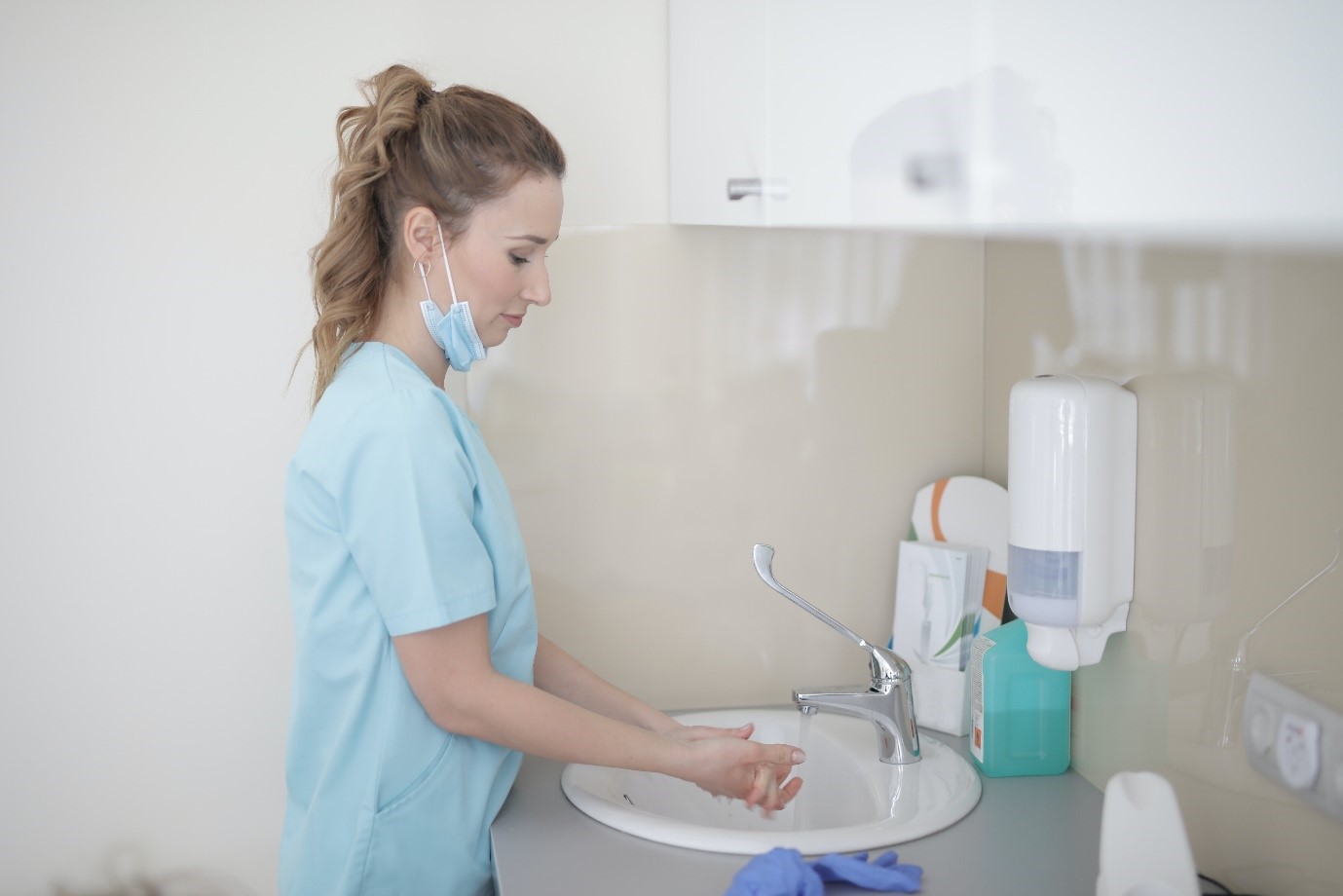
During 2022, more hospitals in Missouri reported high nurse vacancy rates. The vacancy rates are as high as 19.8%, which makes over 8,000 vacant positions in healthcare facilities across Missouri. Nurses currently working in healthcare facilities must fulfill the growing demand for patient care. On top of that, a high influx of inpatients during peak winter and new epidemic waves call for long working shifts, which can naturally lead to frequent burnout.
Nurses must engage in effective self-care practices to avoid getting over-fatigued and drained while performing their duties. Lack of proper self-care will result in lower energy levels and increased health problems and affect your emotional and psychological well-being. You may wonder how nurses can exercise self-care with their hectic schedules. Read on to discover the answers and get some useful self-care tips.
Why Do Nurses Need Self-Care?
Nurses work at the frontline of the healthcare industry. They work relentlessly to give their patients the finest possible treatment. Considering the increasing workload on nurses, leading nursing schools in Missouri emphasize the need for practicing self-care during training while preparing them for quality patient care.
Long work hours, stress, and continual hard work can all contribute to physical and mental exhaustion and negatively impact your health as a nurse. Practicing self-care can improve your mental and physical health and decrease stress and anxiety. With decreased health issues, you can perform your duties efficiently, boost your energy levels, and provide quality patient care. Self-care for nurses also benefits hospitals as it promotes safety in the workplace and allows nurses to perform their professional duties more effectively and compassionately.
Self-Care Tips for Nurses
To promote your physical, psychological, emotional, and social well-being and to be more productive at work as a nurse, you must practice self-care.
In the demanding field of healthcare provider and facility management, ensuring your staff’s well-being is crucial. For nurses seeking self-care tips, click for healthcare staffing to find reliable healthcare professionals who can help maintain a balanced and healthy workforce.
Here are eight effective tips for practicing self-care and avoiding burnout at work:
1. Prefer Online Training over On-Campus Training to Save Time for Yourself
Credible institutions like Northwest Missouri State University offer online nursing programs besides regular on-campus training. These programs provide complete freedom in adjusting lessons to fit their schedule. Trainee nurses can manage their studies easily without compromising their duties at work. Furthermore, you can save time that would otherwise be spent commuting to and from college.
2. Adopt a Healthy Lifestyle
A healthy lifestyle is the first step towards physical self-care. It not only ensures a healthy body and mind but gives a positive perspective on life. The food you eat directly impacts your physical and mental health. Similarly, your daily dose of sleep and physical activity affects your physical and psychological capabilities.
Physical self-care techniques are particularly crucial for doing your best at work and maintaining a good work-life balance. Poor nutrition and a sedentary lifestyle contribute to low immunity and put you at risk of developing long-term diseases like obesity, heart problems, diabetes, and more.
To start with, adopt a balanced diet with appropriate amounts of healthy fats, proteins, vegetables, dietary fiber, and fruits. Avoid consuming excessive sugar, as high sugar levels can make you tired.
Exercise regularly as part of a healthy lifestyle. As a nurse, you are probably already aware of the countless benefits of exercising daily. Regular exercise can be as simple as a few minutes of a brisk walk, light jogging, yoga, or dance practice at home. Physical activity stimulates the release of endorphins which elevates your mood and helps you get rid of anxiety and depression. It also aids in strengthening muscles to help you stay active during long shifts at work.
To fuel up on physical and emotional energy, nurses need to allow their bodies to relax at night. Getting 7 to 8 hours of uninterrupted sleep boosts your immune system, keeps your body active during the day, prevents fatigue, and mitigates the risks of experiencing burnout.
Make sure that you also regularly visit other health professionals such as a physician and a dental expert like this experienced dentist in Leominster.
3. Learn to Practice Mindfulness
Mindfulness is the state of being completely present in the moment. Mindfulness is critical for nurses during patient care, as even a small mistake can lead to serious consequences. Spiritual practices like yoga, meditation, or simply spending some quiet time alone can induce mindfulness.
4. Spend Quality Time with Loved Ones
Quality time acts as fuel for your psychological health, and it’s an important component of emotional and social self-care. The people you surround yourself with should make you feel good, whether at work or home. Focus on spending quality time with your family, friends, acquaintances, and colleagues. Learn to enjoy the company of your loved ones and engage in meaningful activities that you value most. Participate in constructive conversations and enjoy the company of those important to you.
5. Establish a Work-Life Balance
Put a clear line between work and personal time, even when you have an extremely busy schedule. Be sure to leave the work baggage at your workplace, and don’t bring work stress home—schedule personal time even when you’re swamped with rotating shifts. When you strike a balance between your work and personal life, you thrive in your relationships and are better equipped to deal with work stress and fulfill professional responsibilities more effectively.
6. Practice Time Management Skills
Being a nurse is a demanding job. You have to care for patients, complete paperwork on time, and consistently move around to coordinate patient tests and reports. Time management skills can greatly decrease work stress and streamline your daily routine. Write down all your daily tasks and prioritize them according to time and importance. Try to reach your workplace 30 minutes before the shift starts, complete the necessary paperwork, and register entries beforehand. This way, you’ll be better able to complete tasks within the shift and avoid spending extra hours at work.
7. Connect with Nature
Connecting with nature is a fantastic way to practice spiritual and psychological self-care. Go for a walk with your partner and enjoy the serenity of nature. Research shows that walking barefoot on grass in the morning improves psychological health, reduces stress, and regulates sleep-wake cycles. Plan anything that makes you feel more connected with nature.
8. Be Kind to Yourself
As a nurse, you always prioritize caring for others and looking after their needs. However, you should realize you cannot do it if you neglect yourself altogether. You cannot provide your best performance if you are preoccupied or hungry. For this reason, you must take short breaks between your work, sip a cup of coffee, and revitalize yourself. These small pauses can act as an energy booster. Moreover, don’t feel shy to delegate tasks to people around you if your feel overwhelmed with extra work. Seek help from your seniors to learn tips and tricks on performing your duties more efficiently.
Final Thoughts
In Missouri, most nurses consistently face extra workloads due to a lack of nursing staff and inundation of patients. As a nurse, doing your best at work requires you to be in the best of health physically, psychologically, spiritually, and socially. We hope the self-care mentioned above tips will help you take good care of yourself amid busy schedules and incorporate self-care practices to be an effective healthcare provider.
Read Also
- Patient Engagement and Pharmaceutical Support Services: Building a Better Patient Journey
 Patients rarely experience healthcare as a simple, linear process. They may need to understand a diagnosis, determine whether they qualify for a clinical trial, gather medical records, navigate insurance requirements, arrange transportation, learn how to use a medication, and stay engaged with treatment for months or years. Serva Health is one example of a specialist… Read more: Patient Engagement and Pharmaceutical Support Services: Building a Better Patient Journey
 - Industrial Container Recycling and Waste Management Services: A Practical Guide for BusinessesIndustrial container recycling is an essential part of responsible waste management for manufacturers, warehouses, laboratories, automotive businesses, chemical companies, food processors, and other organizations that regularly handle bulk materials. A strong example is Kelly Drums, a Mid-Atlantic provider of reconditioned drums and comprehensive container management solutions. The company specializes in the pickup, recycling, reconditioning, and… Read more: Industrial Container Recycling and Waste Management Services: A Practical Guide for Businesses
- BCBA & RBT Salary by State 2026 | Behavior Analyst PayPay in applied behavior analysis is harder to pin down than in almost any other healthcare field. Two professionals with the same certification can earn $40,000 apart for no reason other than the state line between them. So before you accept an offer, ask for a raise, or relocate for a bigger paycheck, it helps… Read more: BCBA & RBT Salary by State 2026 | Behavior Analyst Pay
- Top Strategies for Integrating Technology into Healthcare TrainingHave you ever wondered how healthcare workers learn new skills as medicine keeps changing? Today, new tools make learning easier, faster, and more flexible for many healthcare workers. Technology in healthcare training helps people learn from almost anywhere and practice skills in safe places. These tools can make learning more fun and easier to remember.… Read more: Top Strategies for Integrating Technology into Healthcare Training
- Why the Future of Healthcare Administration is Cloud-NativeThe operational demands placed on modern healthcare administrators have officially outpaced the capabilities of traditional IT infrastructure. While clinical medicine continues to advance at breakneck speed, the back-office systems required to support it often remain painfully stagnant. Today’s insurers, Third-Party Administrators (TPAs), and provider networks are forced to navigate an avalanche of daily claims, aggressive… Read more: Why the Future of Healthcare Administration is Cloud-Native
- The Digital Overhaul: Why Modern Healthcare Administration Demands Advanced Technology SolutionsLet’s be honest about the current state of healthcare administration: it is staggering under its own complexity. The days of managing patient populations, claims, and provider networks with spreadsheets and disjointed legacy systems are long gone. Today, the sheer volume of data processing required just to keep a healthcare organization afloat is enough to paralyze… Read more: The Digital Overhaul: Why Modern Healthcare Administration Demands Advanced Technology Solutions