Parkinson’s disease is a progressive neurological condition marked by the gradual loss of dopamine-producing neurons in the brain. This depletion leads to a range of symptoms, including tremors, muscle rigidity, bradykinesia (slowness of movement), and difficulties with balance and coordination. While currently lacking a cure, effective care and management strategies play a pivotal role in enhancing the quality of life for individuals living with Parkinson’s. These approaches focus on mitigating symptoms, optimizing daily functioning, and providing support to manage the challenges posed by the disease’s progression.
The Comprehensive Care Approach
Care for Parkinson’s disease takes a holistic approach, addressing not just medical requirements but also emotional, social, and practical aspects of managing the condition. A collaborative team of healthcare specialists, including neurologists, physiotherapists, occupational therapists, speech therapists, and psychologists, work together to create personalized care plans. This comprehensive strategy is designed not only to effectively manage symptoms but also to improve overall well-being, ensuring patients receive tailored support that considers their individual needs and challenges associated with Parkinson’s disease. Sydney in-home Parkinsons care offers specialized support and assistance tailored for patients in the comfort of their own homes.
Improving Quality of Life
Enhancing the quality of life is a primary goal of Parkinson’s care. Physical therapies and regular exercise programs help maintain mobility, reduce stiffness, and improve balance, allowing patients to stay active and independent. Speech therapy addresses communication difficulties, ensuring patients can continue to express themselves effectively. By focusing on these areas, comprehensive care supports patients in maintaining a sense of normalcy and dignity.
Emotional and Psychological Support
Parkinson’s disease often has profound emotional and psychological impacts, contributing to conditions like depression, anxiety, and withdrawal from social activities. Offering emotional support through counseling and therapy is essential for helping patients and their families navigate these challenges. Support groups also play an absolutely crucial role by providing peer support and practical guidance, which can alleviate feelings of loneliness and enhance mental well-being for both patients and their caregivers.
Supporting Caregivers
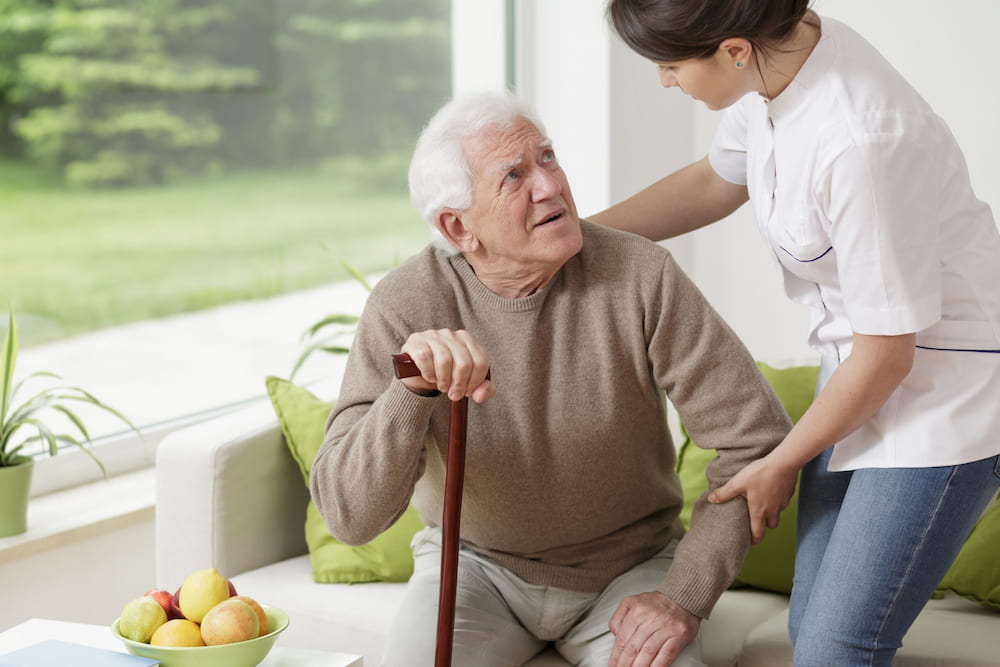
Caregivers play a crucial role in the daily lives of individuals with Parkinson’s disease, providing essential physical assistance and emotional support. However, caregiving can be challenging and overwhelming. It is crucial to equip caregivers with resources such as respite care, specialized training, and access to counseling. These resources help caregivers effectively manage their responsibilities while ensuring they prioritize their own well-being and mental health.
Importance of Early Intervention
Early diagnosis and intervention are critical in managing Parkinson’s disease. Starting treatment early allows healthcare providers to implement strategies that slow disease progression and optimize symptom management. A proactive approach also enables the development of tailored care plans that address individual needs, enhancing the effectiveness of care over time.
Conclusion
Care is essential for individuals living with Parkinson’s disease, encompassing a holistic approach that addresses physical symptoms, emotional well-being, and support for caregivers. By delivering comprehensive care, healthcare professionals can markedly enhance the quality of life for both patients and their families. This approach not only manages symptoms effectively but also promotes independence, dignity, and a meaningful life despite the challenges posed by Parkinson’s disease.
Did you find this helpful? Check out our other helpful articles on our website.
Read Also
- Levels of Mental Health Care and When to Seek Support
 Mental health care can range from occasional outpatient appointments to 24-hour hospital treatment. The appropriate level depends on safety, symptom severity, daily functioning, medical needs, available support, treatment history and personal preferences. A licensed clinician should assess these factors rather than relying on a symptom list alone. Need help now? In the United States, call… Read more: Levels of Mental Health Care and When to Seek Support
 - How to Choose a Shilajit Brand Based on the ResearchIn a randomized trial published in the Journal of the International Society of Sports Nutrition in 2019, 63 active men took 250 mg of standardized shilajit, 500 mg, or a placebo every day for eight weeks, and the benefit for strength retention after a fatiguing workout appeared only at 500 mg. For anyone choosing a… Read more: How to Choose a Shilajit Brand Based on the Research
- How to Incorporate Relaxation into Your Busy ScheduleFinding balance when you have a packed daily agenda often feels out of reach. Between work duties, family obligations, and personal projects, personal rest usually gets pushed to the bottom of the list. Small, intentional shifts in daily habits can help restore calm without requiring hours of extra free time. Continue reading to discover everything… Read more: How to Incorporate Relaxation into Your Busy Schedule
- Red Light Therapy for Skin and Wellness: Meet Vital Red Light TherapyModern wellness is not always about complicated treatments or long routines. Many people are now looking for simple, convenient ways to support their skin, recovery, and overall wellness at home. One technology getting more attention is red light therapy. Red light therapy uses specific wavelengths of red and near-infrared light to support the body’s natural… Read more: Red Light Therapy for Skin and Wellness: Meet Vital Red Light Therapy
- Managing Shock Loss After a Hair Transplant: The Financial and Clinical Imperative of Post-Op CareIn the rapidly evolving landscape of private healthcare, executive leadership within cosmetic and restorative surgery clinics faces a dual challenge: maintaining strict clinical standards while maximizing patient lifetime value (LTV) and brand advocacy. As the global medical tourism and elective procedure markets expand, clinical outcome quality alone is no longer the sole differentiator for premium… Read more: Managing Shock Loss After a Hair Transplant: The Financial and Clinical Imperative of Post-Op Care
- Transform Your Skin Health: Premier Gluta IV Therapy in DubaiThis comprehensive guide explores how modern intravenous wellness treatments can help revitalize your complexion, boost immune function, and support overall cellular health. By incorporating modern IV therapy Dubai services into a routine health regimen, individuals can achieve direct nutrient absorption for optimal results. Selecting a customized gluta IV drip Dubai treatment provides targeted antioxidant defense,… Read more: Transform Your Skin Health: Premier Gluta IV Therapy in Dubai
- The Evolution of Dental Prosthetics: Innovation in Oral HealthDental replacements have improved a lot over time. Smiling, chewing, and speaking depend on having healthy teeth. When teeth break or go missing, today’s options can restore both function and confidence. Modern techniques make these replacements feel and look completely natural. Ancient Roots Of Tooth Replacement People have tried to replace lost teeth for thousands… Read more: The Evolution of Dental Prosthetics: Innovation in Oral Health
- How to Support a Loved One with Mental Health IssuesWatching someone you care about struggle with their mental health is difficult: you might feel helpless, confused, or even frustrated. You cannot cure a mental health condition with a simple conversation or a hug, no matter how much you wish you could. Your support can be the difference between them feeling isolated and feeling understood.… Read more: How to Support a Loved One with Mental Health Issues