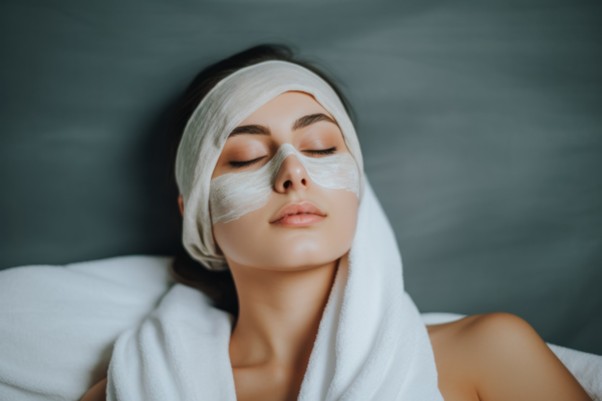
You don’t need a complicated skincare routine. It doesn’t have to be something that requires twenty different products and confusing steps. Your routine works well with just a few high-quality clean ingredients. The beauty industry keeps pushing more products, but your skin actually needs less. You only need a simple approach to get better results than elaborate routines that will overwhelm your skin. That’s why you must understand the basics to help you build something that genuinely works for your skin.
What Clean Beauty Really Means ?
Clean beauty focuses on ingredients that benefit your skin. It is something you do without questionable chemicals or fillers. Your products should contain components you can easily recognize and pronounce. Besides that, clean doesn’t mean ineffective or weak in any way. Quality, clean products perform just as well as conventional options. The only difference is that they are gentler.
That’s why you must go through the lists of ingredients in the products you use. Since your skin absorbs whatever you put on it, those ingredients really count. Trusted retailers like https://shop.beauty-heroes.com carefully vet every product they carry. They make sure they are giving you a product that’s not only natural but safe for your skin.
5 Things You Should Try For a Clean Skincare Routine
Every solid skincare routine follows a basic structure that works for most people. These steps form the backbone of healthy skin regardless of your specific concerns.
Gentle Cleansing Morning and Night
The good thing about cleansing is that it removes dirt, oil, and buildup that accumulates on your skin. When you use a morning wash, it clears away overnight oils while the evening cleansing removes makeup and pollutants. Clean cleansers do not strip your skin or leave it feeling tight. However, the harsh cleansers can actually damage your skin’s protective barrier over time. Look for gentle formulas that have nourishing ingredients that clean and won’t cause irritation.
Toning to Balance and Prep
Also, you need toners as part of your routine. It restores your skin’s pH balance after cleansing and prepares it for treatments. Most of the time, your skin absorbs serums and moisturizers better when you properly tone it before application. A simple hydrating toner works for most people regardless of their skin type.
Targeted Serums for Specific Concerns
Serums, too, are another must-have because they have concentrated active ingredients that address skin concerns directly. Your serum choice depends on what exactly you’re trying to improve or maintain. Vitamin C will brighten your skin, while hyaluronic acid hydrates, and retinol helps with aging concerns. Usually, you’re meant to start with one serum to address your primary concern, then add others gradually.
Eye Cream for Delicate Areas
The skin around your eyes is thinner and much more delicate than the rest of your body. Your eye area is usually the first to show signs of aging, so it’s fragile and expressive. Using an eye cream will hydrate and protect the eye without irritation.
Moisturizing to Lock Everything In
Your skin needs moisturizers for its protective barrier, regardless of whether you have oily or dry skin. Different formulas work for various skin types, from lightweight gels to richer creams. However, most morning moisturizers often include SPF, while night versions focus purely on skin repair.
Conclusion
As your skin’s needs change with seasons, age, and life, you need a routine that works perfectly. If you use these skincare tips, you will notice changes within six months or a year. You don’t need harsh products for your skin. What you need are products that are gentle and effective, and that avoid complex ingredients. Your routine should evolve as you learn what your skin really responds to best.
Expand your knowledge and check out more posts on our blog!
Read Also
- Top Trends Shaping the Future of Mental Health Care
 Mental health care is moving fast to meet daily human needs. People want direct care that fits modern life. Clinics respond by creating flexible options that make healing easier to reach. Providers look past rigid habits to give people solid care. From smart tools to body wellness, these changes help people find relief when life… Read more: Top Trends Shaping the Future of Mental Health Care
 - Full-Arch Dental Tourism: Why UK Patients With Severe Bone Loss Are Looking AbroadDental implants have become one of the fastest-growing segments of private dentistry. Within that market, one patient group behaves very differently from the rest: people who have been told they do not have enough upper jawbone for conventional implants. For these patients, the choice is rarely between one clinic and another. It is between a… Read more: Full-Arch Dental Tourism: Why UK Patients With Severe Bone Loss Are Looking Abroad
- Levels of Mental Health Care and When to Seek SupportMental health care can range from occasional outpatient appointments to 24-hour hospital treatment. The appropriate level depends on safety, symptom severity, daily functioning, medical needs, available support, treatment history and personal preferences. A licensed clinician should assess these factors rather than relying on a symptom list alone. Need help now? In the United States, call… Read more: Levels of Mental Health Care and When to Seek Support
- How to Choose a Shilajit Brand Based on the ResearchIn a randomized trial published in the Journal of the International Society of Sports Nutrition in 2019, 63 active men took 250 mg of standardized shilajit, 500 mg, or a placebo every day for eight weeks, and the benefit for strength retention after a fatiguing workout appeared only at 500 mg. For anyone choosing a… Read more: How to Choose a Shilajit Brand Based on the Research
- How to Incorporate Relaxation into Your Busy ScheduleFinding balance when you have a packed daily agenda often feels out of reach. Between work duties, family obligations, and personal projects, personal rest usually gets pushed to the bottom of the list. Small, intentional shifts in daily habits can help restore calm without requiring hours of extra free time. Continue reading to discover everything… Read more: How to Incorporate Relaxation into Your Busy Schedule
- Red Light Therapy for Skin and Wellness: Meet Vital Red Light TherapyModern wellness is not always about complicated treatments or long routines. Many people are now looking for simple, convenient ways to support their skin, recovery, and overall wellness at home. One technology getting more attention is red light therapy. Red light therapy uses specific wavelengths of red and near-infrared light to support the body’s natural… Read more: Red Light Therapy for Skin and Wellness: Meet Vital Red Light Therapy
- Managing Shock Loss After a Hair Transplant: The Financial and Clinical Imperative of Post-Op CareIn the rapidly evolving landscape of private healthcare, executive leadership within cosmetic and restorative surgery clinics faces a dual challenge: maintaining strict clinical standards while maximizing patient lifetime value (LTV) and brand advocacy. As the global medical tourism and elective procedure markets expand, clinical outcome quality alone is no longer the sole differentiator for premium… Read more: Managing Shock Loss After a Hair Transplant: The Financial and Clinical Imperative of Post-Op Care
- Transform Your Skin Health: Premier Gluta IV Therapy in DubaiThis comprehensive guide explores how modern intravenous wellness treatments can help revitalize your complexion, boost immune function, and support overall cellular health. By incorporating modern IV therapy Dubai services into a routine health regimen, individuals can achieve direct nutrient absorption for optimal results. Selecting a customized gluta IV drip Dubai treatment provides targeted antioxidant defense,… Read more: Transform Your Skin Health: Premier Gluta IV Therapy in Dubai