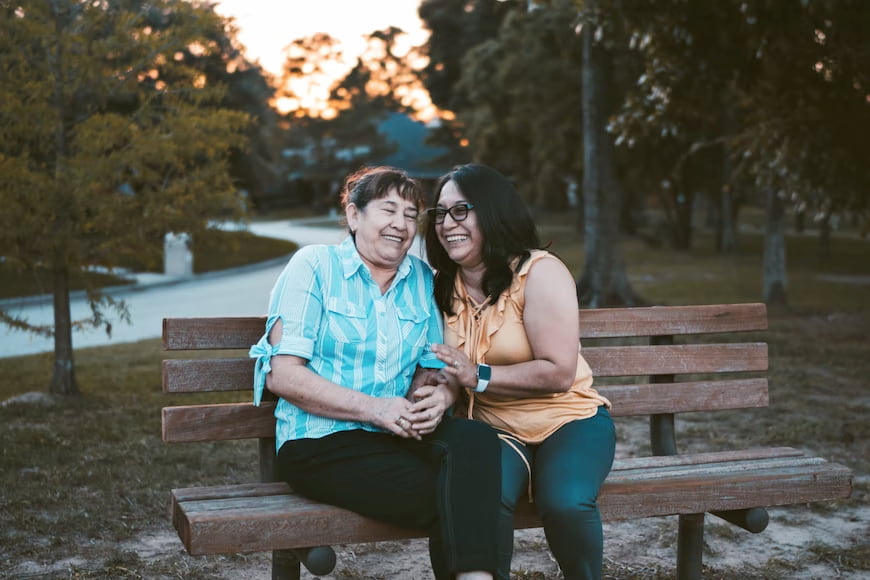
While we often think about the younger generations when discussing suicide and poor mental health, the same caution and awareness should also apply to older adults. Every age group deals with its own type of stress, but if the proper steps are not taken to ensure that we are mentally strong, then the result can often be the same.
If you have an older family member and you are concerned about their well-being, then we are here to help. We will talk a bit about the factors that can lead to depression in parents and relatives and how you can help them get to a better place.
Factors That Can Lead To Poor Mental Health
As we get older, we face new challenges, and if we don’t find a way to work through the tough times or we don’t have a support group that we can lean on, then those challenges could lead to depression or worse. If you want to help your family member avoid further complications, then it is important to be aware of common triggers.
For instance, many older folks who begin to become depressed may have just had a major medical condition like a stroke or a diagnosis of cancer that really makes them realize the fragility of life and that they may believe that they don’t have much time left.
Another similar issue may be that they may have had a major surgery that limits their mobility, and so they may feel depressed because they can’t live as they did in the past.
Sometimes, it isn’t a specific incident but instead, our genes that can be the culprit. We can feel fine and happy most of our lives, but then depression can creep in later in life. If someone is depressed, then they can also turn to alcohol and other addictions that will only make those negative feelings worse.
Stress can also play a big part. As we reach retirement, we may have less money than we used to, and it can cause anxiety, or we can feel lonely as our family and friends move away, and those negative thoughts can lead to impaired mental health.
Signs Of Depression
Even if your loved ones do not experience any of the triggers or life experiences listed above, they could still have deteriorated mental health or signs of depression or even suicide, so it is important to stay vigilant. Many of the signs you see may be similar to what you may see in younger people.
For instance, your loved one may be quieter than they used to be and less engaged in the activities that they used to enjoy. If you have a family gathering and you notice a family member stays quiet in a corner, then it may be a good time to go up to them and ask how they are doing.
When many people are depressed or upset, they may also begin to neglect their self-care and stop bathing themselves, fail to clean the house, or stop doing the chores that they used to do like clockwork. Sometimes, they may stop these activities because of their advanced age, and it may just be harder to get around. However, failure to practice self-care may mean that they are starting to give up on their future.
It should be mentioned that as seniors get older, they may fail to take care of the house and themselves and forget to pay the bills.
It won’t always be a sign that they are experiencing depression, but it could simply be that their mental health is deteriorating because of their advanced age.
Even though they may not be suicidal, you should still get them the help that they need by hiring a caregiver or putting them in an assisted living facility.
How To Support Your Loved One
Once you realize that your loved one is dealing with a mental health challenge, it is time to jump into action. One of the easiest ways that you can help is to simply be with them by visiting whenever you can. It is important to make time for the ones that we love because, in some cases, loneliness is connected to depression, and it can be a slippery slope.
It is important to help our loved ones avoid unhealthy coping mechanisms that can cause further damage to their overall health and wellness. For example, excess alcohol use can negatively affect our bodies in many ways.
Stop by their home a few times per week, ask about their day, and try to do something they enjoy. The effort could do wonders for their mental health.
If you notice that your family member is dealing with more than just occasional loneliness, then you may also want to consider bringing your assistance to the next level by helping them find a certified therapist.
When considering therapists, you want to find one that is the right fit. Someone who will understand what your loved one is going through.
Sometimes, finding a therapist as an older adult means finding an older therapist, which might be better because they can uniquely understand the issues older adults are facing. Remind your family member that they don’t have to stick with a therapist if they don’t find them to be receptive to their issues.
Finally, you can help an older adult deal with depression and negativity by informing them of activities that can put them in a better mind space. For instance, practicing yoga and meditation is a great way to relax and allow us time to think through our problems.
Also, spending time in nature by hiking or having a picnic is another way that we can feel more centered and get some physical activity in the meantime.
As you can see, there is a lot to consider when trying to support older adults with mental health challenges. Be sure to keep an eye out for the signs, be there for them wherever possible, and you will be a great help in their time of need.
Read Also
- How to Incorporate Relaxation into Your Busy Schedule
 Finding balance when you have a packed daily agenda often feels out of reach. Between work duties, family obligations, and personal projects, personal rest usually gets pushed to the bottom of the list. Small, intentional shifts in daily habits can help restore calm without requiring hours of extra free time. Continue reading to discover everything… Read more: How to Incorporate Relaxation into Your Busy Schedule
 - Red Light Therapy for Skin and Wellness: Meet Vital Red Light TherapyModern wellness is not always about complicated treatments or long routines. Many people are now looking for simple, convenient ways to support their skin, recovery, and overall wellness at home. One technology getting more attention is red light therapy. Red light therapy uses specific wavelengths of red and near-infrared light to support the body’s natural… Read more: Red Light Therapy for Skin and Wellness: Meet Vital Red Light Therapy
- Managing Shock Loss After a Hair Transplant: The Financial and Clinical Imperative of Post-Op CareIn the rapidly evolving landscape of private healthcare, executive leadership within cosmetic and restorative surgery clinics faces a dual challenge: maintaining strict clinical standards while maximizing patient lifetime value (LTV) and brand advocacy. As the global medical tourism and elective procedure markets expand, clinical outcome quality alone is no longer the sole differentiator for premium… Read more: Managing Shock Loss After a Hair Transplant: The Financial and Clinical Imperative of Post-Op Care
- Transform Your Skin Health: Premier Gluta IV Therapy in DubaiThis comprehensive guide explores how modern intravenous wellness treatments can help revitalize your complexion, boost immune function, and support overall cellular health. By incorporating modern IV therapy Dubai services into a routine health regimen, individuals can achieve direct nutrient absorption for optimal results. Selecting a customized gluta IV drip Dubai treatment provides targeted antioxidant defense,… Read more: Transform Your Skin Health: Premier Gluta IV Therapy in Dubai
- The Evolution of Dental Prosthetics: Innovation in Oral HealthDental replacements have improved a lot over time. Smiling, chewing, and speaking depend on having healthy teeth. When teeth break or go missing, today’s options can restore both function and confidence. Modern techniques make these replacements feel and look completely natural. Ancient Roots Of Tooth Replacement People have tried to replace lost teeth for thousands… Read more: The Evolution of Dental Prosthetics: Innovation in Oral Health