


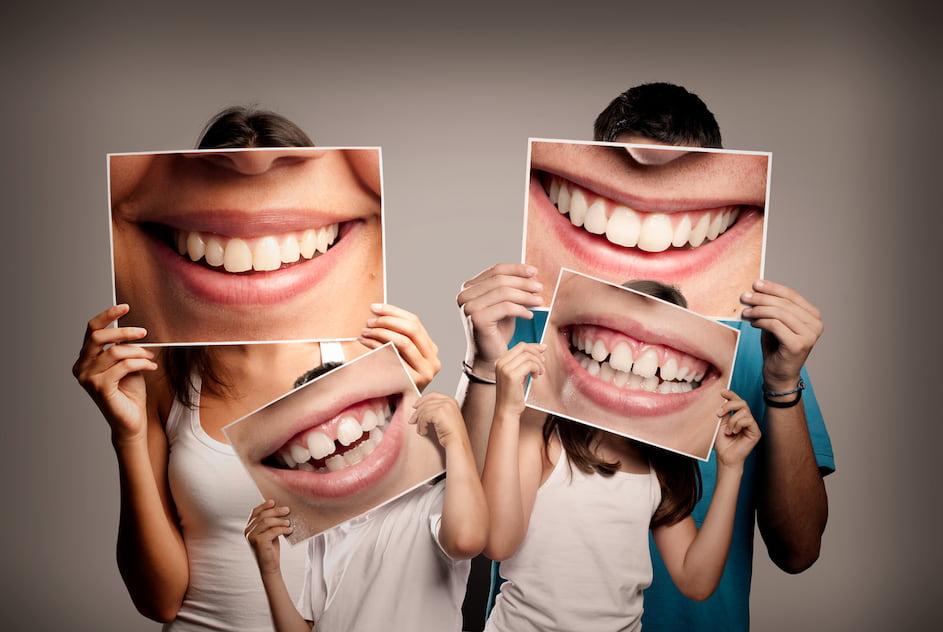
Did you know that a simple smile can do more than just brighten someone’s day? It turns out that positive emotions and a cheerful disposition can have a profound impact on your oral health. When you feel happy and optimistic, your oral health can benefit in surprising ways.
Keen to find out more? Prepare to discover the fascinating connection between positive emotions and oral health, and find out how fostering a positive mindset can lead to a healthier, happier smile.
Stress And Oral Health – The Link
Before we delve into the power of positive emotions, let’s first understand the detrimental effects of stress on oral health. Stress has been linked to a range of health problems, including gum disease, teeth grinding, canker sores, and poor oral hygiene habits.
When stress levels rise, it can weaken the immune system, making it more difficult for your body to fight off oral bacteria and infections. Additionally, stress can lead to habits like teeth grinding or clenching, which can cause tooth enamel erosion and jaw pain.
The Power Of Positive Emotions
Now, let’s shift our focus to the positive side of things. Research has shown that positive emotions and a positive mindset can influence your oral health in several ways.
1- Strengthened Immune System
Positive emotions have been associated with a stronger immune system. When you experience positive emotions, your body releases endorphins and other chemicals that help boost your immune system’s response. This can enhance your body’s ability to fight off oral infections, reducing the risk of gum disease and other oral health issues.
Of course, at the same time, it’s important to make sure there are no other risk factors that could affect your oral health, such as crooked teeth or an overbite. In this case, treatment is vital, whether in the form of aligners (braces without wires) or traditional braces. You can find out more about the benefits of clear braces vs wire braces with the help of ALIGNERCO.
2- Improved Oral Hygiene Habits
Positive emotions can also influence your oral hygiene habits. When you feel happy and positive, you’re more likely to take better care of your teeth. Brushing and flossing regularly, using mouthwash, and maintaining a consistent oral care routine are more likely to become habits when you have a positive mindset.
3- Reduced Inflammation
Chronic inflammation in the body can contribute to various health problems, including gum disease. Studies have found that positive emotions seem to help reduce inflammation markers in the body, including those related to gum inflammation.
By fostering a positive mindset, you may be able to lower inflammation levels and promote healthier gums.
4- Stress Reduction
As we mentioned earlier, stress can wreak havoc on your oral health. Cultivating positive emotions can help counteract the negative effects of stress by promoting relaxation and reducing tension. By managing stress through positive emotions, you can decrease the likelihood of developing habits like teeth grinding, which can damage your teeth and jaw.
Practical Tips For Fostering Positive Emotions
Now that you understand the power of prioritizing positivity, here are some practical tips to help you foster uplifting emotions and improve your oral health.
Practice Gratitude
Cultivate gratitude by regularly expressing appreciation for the positive aspects of your life. This can be done through daily journalling (for instance, writing down three things you’re grateful for each day), sharing your gratitude and appreciation with loved ones, or simply reflecting on what you’re thankful for.
Gratitude is a powerful positive force for healing that can shift your mindset, restore your health, and help you maintain a positive outlook even when times get tough.
Engage In Activities That Bring Joy
Find activities that make you happy and engage in them regularly. Whether it’s spending time with loved ones, pursuing hobbies that you love, or practicing self-care, make time for activities that bring joy and boost your mood.
Smile And Laugh Often
Smiling and laughing release endorphins, the feel-good hormones that can instantly elevate your mood. Even if you’re not feeling particularly joyful, intentionally smiling and laughing can trick your brain into experiencing positive emotions.
Practice Mindfulness And Meditation
Mindfulness and meditation techniques can help you stay present and reduce stress levels. By focusing on the present moment and cultivating a calm state of mind, you can promote positive emotions and reduce the impact of stress on your oral health.
Surround Yourself With Positive Emotions
Surround yourself with positive, supportive people who uplift and inspire you. The company you keep can significantly impact your emotions and overall well-being.
Keep in mind that maintaining positive emotions and an optimistic mindset is a lifelong journey. By consciously including these practices in your daily life, you can reap the rewards of improved oral health, reduced stress, and a brighter smile. So, what are you waiting for? Embrace the power of positivity and let your smile radiate happiness and health!
Read Also
- Top Trends Shaping the Future of Mental Health Care
 Mental health care is moving fast to meet daily human needs. People want direct care that fits modern life. Clinics respond by creating flexible options that make healing easier to reach. Providers look past rigid habits to give people solid care. From smart tools to body wellness, these changes help people find relief when life… Read more: Top Trends Shaping the Future of Mental Health Care
 - Full-Arch Dental Tourism: Why UK Patients With Severe Bone Loss Are Looking AbroadDental implants have become one of the fastest-growing segments of private dentistry. Within that market, one patient group behaves very differently from the rest: people who have been told they do not have enough upper jawbone for conventional implants. For these patients, the choice is rarely between one clinic and another. It is between a… Read more: Full-Arch Dental Tourism: Why UK Patients With Severe Bone Loss Are Looking Abroad
- Levels of Mental Health Care and When to Seek SupportMental health care can range from occasional outpatient appointments to 24-hour hospital treatment. The appropriate level depends on safety, symptom severity, daily functioning, medical needs, available support, treatment history and personal preferences. A licensed clinician should assess these factors rather than relying on a symptom list alone. Need help now? In the United States, call… Read more: Levels of Mental Health Care and When to Seek Support
- How to Choose a Shilajit Brand Based on the ResearchIn a randomized trial published in the Journal of the International Society of Sports Nutrition in 2019, 63 active men took 250 mg of standardized shilajit, 500 mg, or a placebo every day for eight weeks, and the benefit for strength retention after a fatiguing workout appeared only at 500 mg. For anyone choosing a… Read more: How to Choose a Shilajit Brand Based on the Research
- How to Incorporate Relaxation into Your Busy ScheduleFinding balance when you have a packed daily agenda often feels out of reach. Between work duties, family obligations, and personal projects, personal rest usually gets pushed to the bottom of the list. Small, intentional shifts in daily habits can help restore calm without requiring hours of extra free time. Continue reading to discover everything… Read more: How to Incorporate Relaxation into Your Busy Schedule
- Red Light Therapy for Skin and Wellness: Meet Vital Red Light TherapyModern wellness is not always about complicated treatments or long routines. Many people are now looking for simple, convenient ways to support their skin, recovery, and overall wellness at home. One technology getting more attention is red light therapy. Red light therapy uses specific wavelengths of red and near-infrared light to support the body’s natural… Read more: Red Light Therapy for Skin and Wellness: Meet Vital Red Light Therapy






