


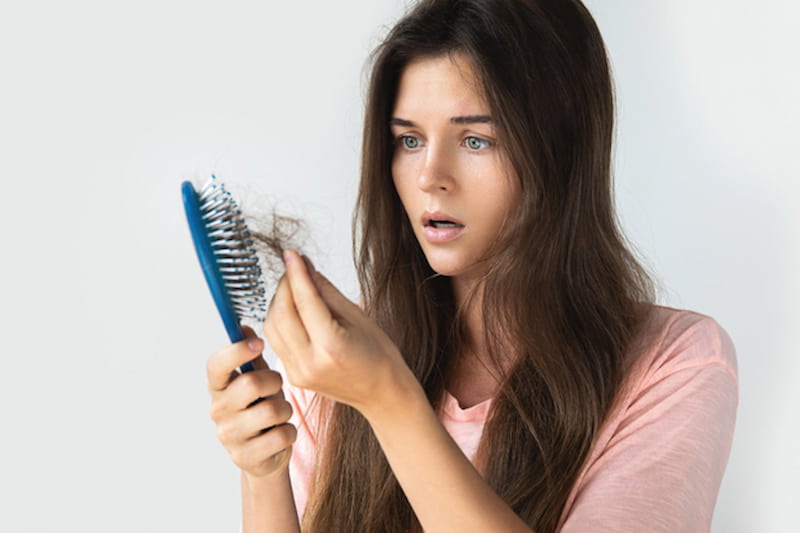
Are you losing hair during period, and it seems excessive? Or do you worry about a thinning scalp no matter how healthy your hair looks at other times of the month?
When hair gets thin, many women often blame the stress on their periods. But is that really the case?
In the article below, we are going to review the causes of hair loss, be it due to the menstrual cycle or because of some other reason. Keep reading for potential reasons why you might experience hair loss during your period.
Hormonal Changes
Hormones play a significant role in hair growth and shedding. During the menstrual cycle, there are fluctuations in hormone levels, particularly estrogen and progesterone. These hormonal changes can impact the hair growth cycle, leading to increased hair shedding.
If you are experiencing excessive hair loss during your period, you can contact these hair restoration experts. They offer thorough workup, diagnosis, and treatment for all forms of hair loss.
Iron Deficiency Anemia
Losing hair during your period could be caused by iron deficiency anemia. The condition occurs when the body fails to produce enough red blood cells, resulting in an inadequate supply of oxygen to cells, including those found in hair follicles.
Treatment includes iron supplementation, along with lifestyle changes such as an increase in intake of nutrient-rich foods like eggs, spinach, and legumes.
Stress
Stress can impact hormone levels and disrupt the hair growth cycle, leading to hair shedding. Many individuals experience increased stress levels during their menstrual cycle, which could contribute to hair loss. Reducing stress levels during periods can be a great way to keep hair from falling out.
Nutritional Factors
A balanced diet is crucial for maintaining healthy hair. If your diet lacks essential nutrients, such as vitamins, minerals, and proteins, it can contribute to hair thinning and shedding.
Eating a balanced diet rich in essential vitamins and minerals can help to keep the hair healthy and strong. Drinking plenty of water throughout the day and getting adequate sleep can help preserve the healthiness of the hair.
Genetics
Your genetic makeup can also play a role in your susceptibility to hair loss. If you have a family history of hair thinning or pattern baldness, you might be more prone to experiencing hair loss.
Thyroid Issues
Thyroid imbalances, such as hypothyroidism or hyperthyroidism, can affect hair growth and cause hair loss. Thyroid issues might coincide with menstrual cycle-related hair loss.
Other signs of a possible underlying thyroid issue include fatigue, weight gain or loss, increased sensitivity to cold, heat, or long-term irritability. If you’re experiencing excessive hair loss associated with your period, it’s best to speak to your doctor.
Losing Hair During Period? A Few Tips to Minimize It
Are you losing hair during period? There is no one specific solution to preventing hair loss during menstruation. However, following a healthy diet and lifestyle habits can help reduce hair loss.
Additionally, avoid taking certain medications, such as birth control and hormonal therapy, and speak to a healthcare professional about other ways to reduce hair loss. Taking action now can help you regain your beautiful hair.
For more on this topic, check out the rest of our blog.
Read Also
- Full-Arch Dental Tourism: Why UK Patients With Severe Bone Loss Are Looking Abroad
 Dental implants have become one of the fastest-growing segments of private dentistry. Within that market, one patient group behaves very differently from the rest: people who have been told they do not have enough upper jawbone for conventional implants. For these patients, the choice is rarely between one clinic and another. It is between a… Read more: Full-Arch Dental Tourism: Why UK Patients With Severe Bone Loss Are Looking Abroad
 - Levels of Mental Health Care and When to Seek SupportMental health care can range from occasional outpatient appointments to 24-hour hospital treatment. The appropriate level depends on safety, symptom severity, daily functioning, medical needs, available support, treatment history and personal preferences. A licensed clinician should assess these factors rather than relying on a symptom list alone. Need help now? In the United States, call… Read more: Levels of Mental Health Care and When to Seek Support
- How to Choose a Shilajit Brand Based on the ResearchIn a randomized trial published in the Journal of the International Society of Sports Nutrition in 2019, 63 active men took 250 mg of standardized shilajit, 500 mg, or a placebo every day for eight weeks, and the benefit for strength retention after a fatiguing workout appeared only at 500 mg. For anyone choosing a… Read more: How to Choose a Shilajit Brand Based on the Research
- How to Incorporate Relaxation into Your Busy ScheduleFinding balance when you have a packed daily agenda often feels out of reach. Between work duties, family obligations, and personal projects, personal rest usually gets pushed to the bottom of the list. Small, intentional shifts in daily habits can help restore calm without requiring hours of extra free time. Continue reading to discover everything… Read more: How to Incorporate Relaxation into Your Busy Schedule
- Red Light Therapy for Skin and Wellness: Meet Vital Red Light TherapyModern wellness is not always about complicated treatments or long routines. Many people are now looking for simple, convenient ways to support their skin, recovery, and overall wellness at home. One technology getting more attention is red light therapy. Red light therapy uses specific wavelengths of red and near-infrared light to support the body’s natural… Read more: Red Light Therapy for Skin and Wellness: Meet Vital Red Light Therapy