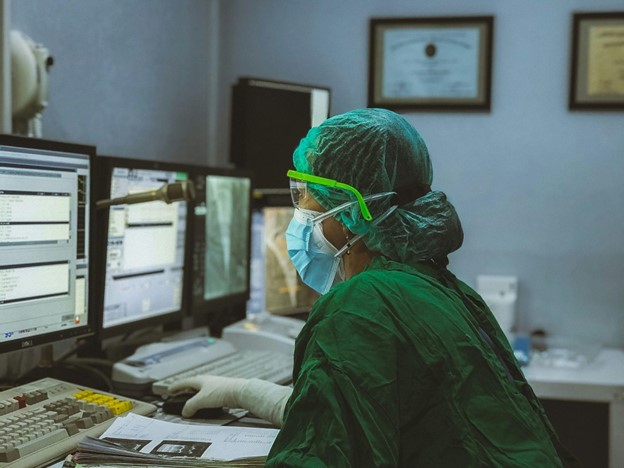
Transitioning from a nursing student to an officer in the Army Nurse Corps is a significant journey that blends rigorous academic preparation with the demands of military service. For those like Elodie Degage, who have been commissioned into the Army Nurse Corps as Second Lieutenants, this transition represents both a personal and professional milestone. This article explores the steps and strategies necessary for a smooth transition, ensuring that aspiring Army nurses are well-prepared for their new roles.
Embracing the Dual Role of Nurse and Soldier
One of the most crucial aspects of preparing for a career in the Army Nurse Corps is understanding and embracing the dual role of being both a nurse and a soldier. This dual identity requires a unique set of skills, as Army nurses must provide top-tier medical care while also fulfilling their duties as military officers. This combination demands a high level of adaptability, discipline, and resilience.
Nursing students who are about to commission into the Army should begin by familiarizing themselves with military culture and expectations. This involves understanding the core values of the Army—loyalty, duty, respect, selfless service, honor, integrity, and personal courage. These values are the foundation of military service and are integral to the role of an Army nurse.
Physical and Mental Preparation
The physical demands of military service are significant, and aspiring Army nurses must be in excellent physical condition. Physical fitness not only ensures that nurses can perform their duties effectively but also reflects their readiness to meet the challenges of military life. Regular exercise, a balanced diet, and adequate rest are essential components of maintaining physical health.
In addition to physical preparation, mental resilience is equally important. The transition from student to soldier involves significant changes, including new environments, responsibilities, and challenges. Building mental resilience involves developing strong coping mechanisms, staying connected with supportive networks, and maintaining a positive mindset. Techniques such as mindfulness, meditation, and stress management can be beneficial in building mental toughness.
The Importance of ROTC and Military Training
Participation in a Reserve Officers’ Training Corps (ROTC) program is a common pathway for nursing students aspiring to join the Army Nurse Corps. ROTC programs provide a blend of academic education and military training, preparing students for leadership roles in the Army. For Elodie Degage, her ROTC experience has been instrumental in developing the skills and knowledge necessary for her future role as an Army nurse.
ROTC programs offer rigorous physical training, leadership development, and military science courses. These programs help students build the physical and mental resilience required for military service, while also providing valuable leadership training. The skills learned in ROTC are directly applicable to the responsibilities of an Army Nurse Corps officer, ensuring that new officers are well-prepared for their roles.
Specialized Military Training for Army Nurses
After completing their BSN degree and ROTC program, newly commissioned officers attend specialized military training programs designed to hone their medical skills and familiarize them with military protocols. One such program is the Basic Officer Leader Course (BOLC), which introduces new officers to Army culture, leadership principles, and the basics of military medical care.
During BOLC, officers receive instruction on topics such as combat casualty care, medical logistics, and the ethical challenges unique to military healthcare. This training is crucial in preparing Army nurses for the diverse and often challenging environments in which they will operate. Understanding military protocols and procedures ensures that new officers can seamlessly integrate into their roles and provide effective care in any situation.
Leadership Development and Professional Growth
Leadership is a defining aspect of a career in the Army Nurse Corps. Army nurses are not only healthcare providers but also leaders who are expected to guide and mentor their teams. Leadership training is integrated into every stage of an Army nurse’s career, starting with ROTC and continuing through specialized military courses and professional development programs.
Effective leadership in the Army Nurse Corps involves a combination of technical medical knowledge, strong communication skills, and the ability to make informed decisions under pressure. Aspiring Army nurses should focus on developing these skills throughout their education and training. Opportunities to practice leadership in clinical settings, participate in team-based projects, and engage in military exercises can all contribute to building strong leadership capabilities.
Building a Support Network
Transitioning from student to soldier can be challenging, and having a strong support network is essential. Family, friends, mentors, and fellow ROTC cadets can provide invaluable support and encouragement during this transition. Staying connected with loved ones, seeking advice from experienced military personnel, and forming bonds with fellow officers can help new Army nurses navigate the challenges of their new roles.
For Elodie Degage, maintaining connections with her support network has been a key factor in managing the transition. The encouragement and guidance from her family, friends, and mentors have helped her stay motivated and focused on her goals. Building and maintaining these connections can provide emotional support and practical advice, making the transition smoother and more manageable.
Embracing the Journey
The journey from nursing student to Army Nurse Corps officer is both demanding and rewarding. It requires a combination of academic excellence, physical and mental resilience, leadership skills, and a strong support network. For those like Elodie Degage, who are about to embark on this journey, embracing the dual role of nurse and soldier with a sense of purpose and dedication is crucial.
Aspiring Army nurses should approach this transition with a positive mindset and a willingness to learn and grow. The education and training received along the way not only equip Army nurses with the skills needed to provide exceptional care but also instill the values of duty, honor, and service that are at the heart of the Army Nurse Corps. By choosing this path, aspiring Army nurses have the opportunity to make a lasting impact and contribute to the well-being of those who serve and protect our nation.
Conclusion
In conclusion, the transition from student to Army Nurse Corps officer is a significant milestone that requires careful preparation and a strong commitment to both nursing and military service. By embracing the dual role of nurse and soldier, building physical and mental resilience, participating in ROTC and specialized military training, developing leadership skills, and maintaining a strong support network, aspiring Army nurses can ensure a seamless and successful transition into their new roles. The journey is demanding, but the rewards of serving as an Army Nurse Corps officer are profound, offering opportunities for personal and professional growth, a sense of purpose, and the chance to make a lasting impact on the lives of service members and their families.
Did you find this helpful? Check out our other helpful articles on our website.
Read Also
- The Hidden Liabilities of Hazardous Waste: Why Elite Environmental Management is Non-Negotiable
 Let’s be completely honest for a second. Running a commercial facility, a manufacturing plant, or a healthcare hub that handles dangerous materials is an absolute high-wire act. You aren’t just managing staff and worrying about profit margins; you are actively holding back potential disasters every single day. One tiny oversight—a leaking drum, a misread label,… Read more: The Hidden Liabilities of Hazardous Waste: Why Elite Environmental Management is Non-Negotiable
 - Top Strategies for Implementing Remote Patient Monitoring SuccessfullyRemote patient monitoring is changing how care is delivered. It brings patients and providers closer, even from a distance. But success takes more than just devices and data. It requires clear planning, smart tools, and strong communication. Each step should focus on patient comfort and ease of use. Small improvements can lead to better outcomes… Read more: Top Strategies for Implementing Remote Patient Monitoring Successfully
- Navigating 21 CFR Part 11 in Modern Clinical LabsWhat ensures that digital records in clinical labs remain accurate, secure, and trustworthy? As laboratories rely more on digital systems, maintaining compliance with strict regulations becomes essential. One important standard is 21 CFR Part 11, which focuses on electronic records and signatures. It helps ensure that data is reliable and protected from misuse or errors.… Read more: Navigating 21 CFR Part 11 in Modern Clinical Labs
- Protecting Patient Privacy in the Digital Age: The Role of Secure Information HandlingHealthcare has undergone a major transformation in recent years. With the shift from paper records to digital systems, managing patient information has become both more efficient and more complex. Alongside these changes comes a growing need to protect sensitive data. This is where redaction software in healthcare plays an increasingly important role. Healthcare organizations handle… Read more: Protecting Patient Privacy in the Digital Age: The Role of Secure Information Handling
- Why EHR Compatibility Matters for Your PracticeEvery mental health practice eventually faces the same painful realization: your EHR does not talk to the other systems your practice depends on. The billing goes through a separate clearinghouse portal. Referrals still travel by fax. The lab results arrive by email. What seemed like a digital transformation has left you managing yet another collection… Read more: Why EHR Compatibility Matters for Your Practice
- Improving Survival Outcomes Through Prompt Medical ActionIn emergencies, every second counts. Whether it’s a car accident, a heart attack, or a severe injury, prompt medical action can mean the difference between life and death. Patients who receive immediate medical care are far more likely to survive. This article dives into how rapid interventions and the right training can significantly improve survival… Read more: Improving Survival Outcomes Through Prompt Medical Action
- The Hidden Operational Cost of “Good Enough” IT in a Medical PracticeMost medical practices do not think much about IT unless something starts going wrong. That makes sense. Practice owners are focused on patient care, staffing, scheduling, billing, revenue, compliance, and the daily pressure of keeping the office running. Office managers are usually handling ten things at once. Providers want rooms ready, systems available, and staff… Read more: The Hidden Operational Cost of “Good Enough” IT in a Medical Practice
- Transforming Patient Care with Professional Healthcare Transcription ServicesIn today’s fast-paced healthcare environment, the need for precise and timely documentation cannot be overstated. Accurate documentation is not merely an ancillary task; it is a core element of delivering high-quality patient care. The ability to maintain compliance with regulations, enhance operational efficiency, and ensure the integrity of patient records has never been more critical.… Read more: Transforming Patient Care with Professional Healthcare Transcription Services