
In the ever-evolving healthcare sector, staying ahead of the curve is essential for healthcare practice owners and managers. One of the most significant advancements poised to reshape the medical billing and coding field is the integration of artificial intelligence (AI) and automation.
In this article, we’ll delve into how AI and automation are transforming medical billing and coding practices, the benefits and challenges they present, and their potential implications for your healthcare practice. Additionally, we’ll explore what potential employees can learn in a medical billing and coding degree program to adapt to this transformative future.
The AI and Automation Revolution
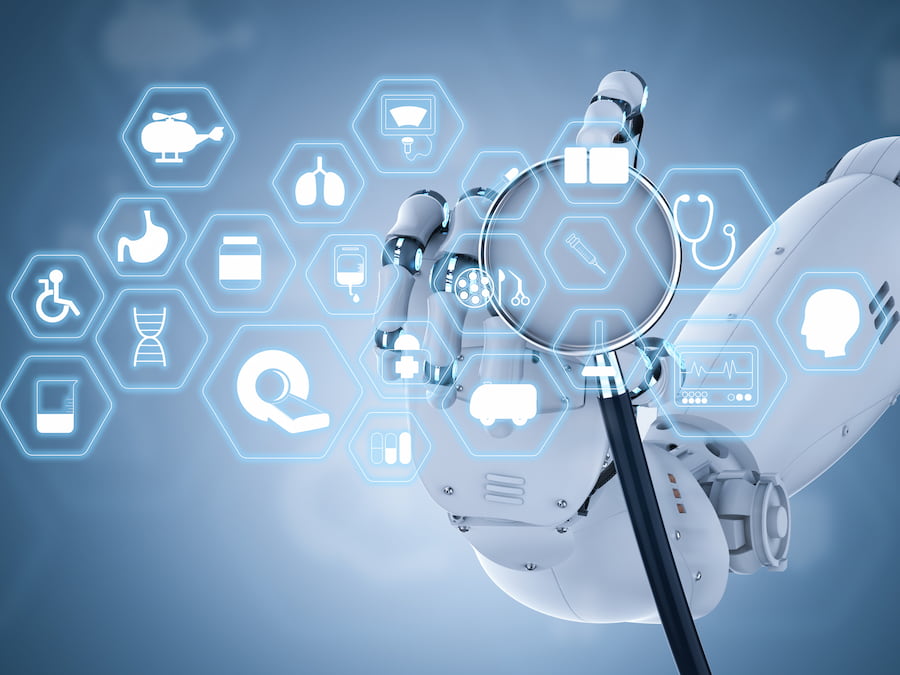
Artificial Intelligence (AI) and automation are poised to revolutionize medical billing and coding in healthcare practices across the globe. These technologies hold the promise of streamlining administrative tasks, enhancing accuracy, and optimizing the overall efficiency of practice management.
AI-powered systems are designed to automate routine administrative tasks in medical billing and coding. This includes patient data entry, claim processing, and even identifying coding errors. By automating these processes, AI significantly reduces the time spent on manual data entry and coding, allowing your practice to process claims more quickly and improve cash flow.
Furthermore, AI enhances accuracy and compliance within medical billing and coding. AI algorithms can cross-reference patient records, diagnoses, and treatment codes to ensure accuracy and compliance with healthcare regulations. This reduces the risk of claim denials and billing discrepancies, resulting in fewer financial hiccups for your practice.
Benefits of Incorporating AI and Automation
Incorporating AI and automation into your healthcare practice’s billing and coding processes offers many advantages. For instance, there’s increased efficiency to start with. AI can handle a high volume of data with speed and precision, significantly reducing the time spent on manual data entry and coding. This enables your practice to process claims more quickly and improve cash flow for higher productivity.
Automation eliminates the need for extensive manual labor, reducing overhead costs associated with administrative tasks, too. With fewer resources dedicated to billing and coding, your practice can allocate resources more effectively, potentially leading to substantial cost savings. Plus, AI’s ability to spot errors and inconsistencies minimizes the likelihood of costly billing mistakes. By ensuring that claims are correctly coded and processed, your practice can avoid compliance issues and revenue loss due to errors.
Also, AI systems can provide data-driven insights into billing trends, helping you make informed decisions about practice management and revenue optimization. By analyzing historical data and patterns, AI empowers your practice to make strategic decisions that can drive growth and success.
Challenges to Consider
While the benefits of AI and automation are clear, there are challenges to consider when implementing these technologies in your healthcare practice. For example, think about the initial investment. Implementing AI and automation systems requires an outlay on technology and staff training. While this investment may seem significant, it often pays off in the long run through increased efficiency and cost savings.
Protecting patient data is paramount in healthcare, too. As you integrate AI and automation, investing in robust cybersecurity measures to safeguard sensitive information from cyber threats is crucial. Compliance with regulations like the HIPAA (Health Insurance Portability and Accountability Act) is non-negotiable.
Also,transitioning to AI and automation may require upskilling and training for existing staff. Additionally, new roles may emerge that require expertise in managing AI systems. It’s essential to provide opportunities for professional development and ensure that your team is comfortable working alongside these technologies.
The Role of Medical Billing and Coding Education
As healthcare practice owners and managers, it’s vital to have a workforce equipped to navigate this AI-driven future. Potential employees with a medical billing and coding degree can bring valuable skills to your practice. For example, graduates obtain comprehensive coding knowledge. They can gain proficiency in coding systems such as Current Procedural Terminology (CPT), International Classification of Diseases (ICD-10), and Healthcare Common Procedure Coding System (HCPCS). This helps ensure accurate code selection and proper billing practices.
Education also covers essential aspects of healthcare ethics, compliance, and regulations. Graduates are well-versed in ethical coding practices and can navigate the complex regulatory landscape, reducing compliance risks for your practice. Plus, medical billing and coding degree programs emphasize proficiency in using healthcare software and technology. Graduates are prepared to integrate seamlessly with AI and automation systems, maximizing their benefits.
The future of medical billing and coding is undeniably intertwined with AI and automation. By embracing these technological advancements, healthcare practice owners and managers can streamline operations, reduce costs, and improve patient care.
As you consider integrating AI into your practice, remember that potential employees with a medical billing and coding degree are poised to adapt to this transformative era. They bring a wealth of knowledge and skills, ensuring your practice remains efficient, compliant, and patient-focused in this exciting new landscape.
Read Also
- What Today’s Patients Expect From Healthcare Brands
 Healthcare is no longer experienced only through appointments, prescriptions, or hospital visits. Patients now interact with healthcare brands through websites, mobile applications, educational articles, product instructions, customer support teams, social media, and online reviews. Every one of these interactions influences how people judge a company. This shift has raised expectations. Patients want accurate information, convenient… Read more: What Today’s Patients Expect From Healthcare Brands
 - Top Trends Shaping the Future of Mental Health CareMental health care is moving fast to meet daily human needs. People want direct care that fits modern life. Clinics respond by creating flexible options that make healing easier to reach. Providers look past rigid habits to give people solid care. From smart tools to body wellness, these changes help people find relief when life… Read more: Top Trends Shaping the Future of Mental Health Care
- Can Outsourced Telepsychiatry Help Healthcare Organizations Keep Pace With Modern Mental Health Screening?Mental healthcare is changing quickly, but many hospitals, clinics, schools, correctional facilities, and community health organizations do not have enough psychiatric professionals available to turn new screening approaches into timely clinical care. Outsourced telepsychiatry offers one way to close that gap. FasPsych, for example, connects healthcare organizations with psychiatrists, psychiatric nurse practitioners, and other behavioral… Read more: Can Outsourced Telepsychiatry Help Healthcare Organizations Keep Pace With Modern Mental Health Screening?
- Five operational checks for choking readiness in healthcare facilitiesA facility can have a choking poster on every wall and still be unprepared. Preparedness shows up when someone can recognize the emergency, call the right response, bring the right people and supplies to the room, and hand over clear information without losing time. That test belongs in operations as well as clinical education. The… Read more: Five operational checks for choking readiness in healthcare facilities
- Understanding the Demand for Correctional Healthcare ProfessionalsHave you ever wondered who cares for people when they get sick inside a prison? Many people do not realize that jails and prisons need skilled medical teams every single day. By reading this guide, you will learn why these important jobs are growing fast and how you can join this rewarding career field. Caring… Read more: Understanding the Demand for Correctional Healthcare Professionals