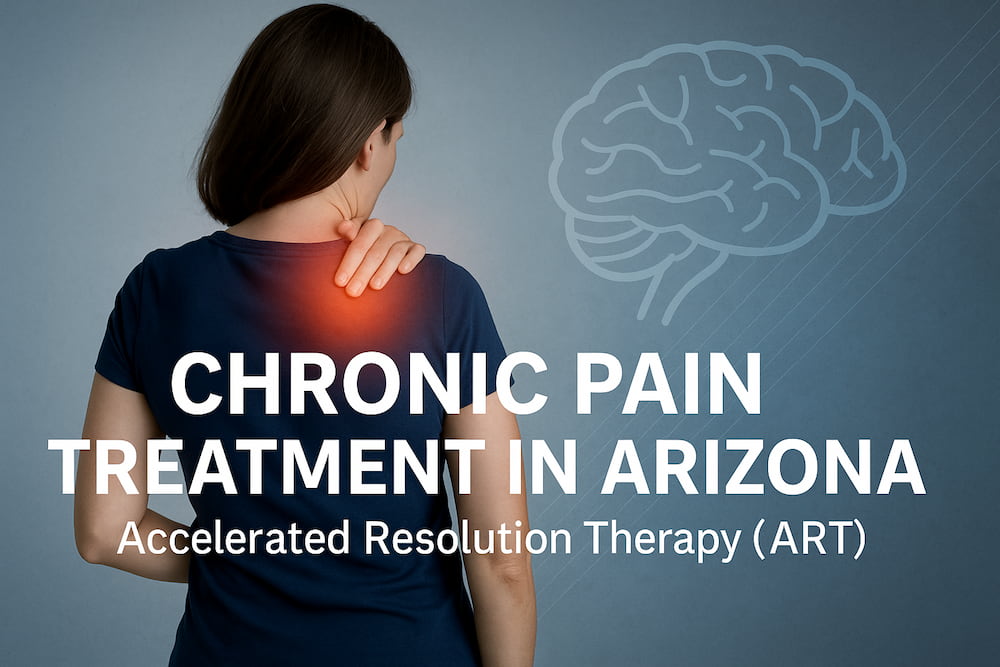
Chronic pain sufferers in Arizona are exploring new treatment paths as concerns about opioid dependency grow. Traditional medications often fall short, leading many to seek therapies that address not just the physical discomfort but also the emotional toll that comes with it. One approach capturing attention is Accelerated Resolution Therapy (ART), a method designed to tackle both sides of the pain experience.
ART brings a fresh perspective to chronic pain care by combining physical relief with emotional healing. Using fast-acting techniques that target how the brain processes pain, this therapy is opening doors to new conversations about pain management. For many, ART is more than an alternative—it represents a shift toward more holistic, person-centered care that redefines how pain is understood and treated.
Why Pain Management in Phoenix AZ Is Moving Past Medication
In response to growing concerns about opioid dependence, pain management in Phoenix AZ is placing more focus on treatments that address both physical pain and emotional well-being. ART is one example showing promise beyond medication. Introducing mental health screenings early in the process helps tailor care, offering patients safer, more complete alternatives to traditional pain relief.
In Phoenix, more practitioners are offering ART as patients increasingly seek treatments that blend emotional and physical healing. Integrating mental health screenings into pain management helps uncover underlying issues that might otherwise go unnoticed, giving patients a more complete, personalized care experience. This approach reflects a broader shift in pain care, where emotional resilience is recognized as key to long-term relief.
ART’s Techniques for Addressing Chronic Pain
ART applies structured techniques to help the brain reinterpret pain signals connected to distressing memories. Using voluntary memory image replacement, patients reshape how these experiences are stored, often reducing the intensity of pain responses. This process not only eases discomfort but also helps patients regain a sense of control, supporting a stronger connection to daily activities and overall well-being.
This method is different from traditional pain treatments because it doesn’t just treat the symptoms. It focuses on the mental patterns tied to pain experiences. Patients often say they feel more able to handle their chronic conditions after going through this process. Doing regular guided visualization exercises can help improve the effects of ART over time.
How ART Differs From Traditional Talk Therapy
ART isn’t like traditional therapy, such as CBT. It uses fast-paced methods like eye movements and imagery to help people face tough memories without getting overwhelmed. This makes it feel more approachable, helping many process emotions and reflect on painful events in a way that feels safer and less intense.
Many who try ART report meaningful progress in just a few sessions, which makes it appealing for those hesitant to revisit difficult emotions. The therapy’s structured, image-based techniques help patients process memories quickly without becoming overwhelmed. Ongoing practice with guided eye movement exercises can reinforce these gains, making ART a practical option for long-term emotional resilience.
What Phoenix Patients Say About Their ART Results
In Phoenix, many patients describe ART as life-changing—helping them sleep through the night for the first time in years or finally experience relief from long-held tension. Some say the sessions feel like letting go of emotional weight they didn’t know they were still carrying. These personal accounts align with research showing ART can reduce pain-related distress and improve sleep quality.
Many describe ART not just as therapy, but as a process of reclaiming parts of themselves lost to pain. Through this experience, hope, clarity, and a sense of control begin to return, offering people a renewed connection to their daily lives.
How to Access ART for Pain Relief in Arizona
Getting started with ART in Arizona usually begins with a behavioral health referral. This step is helpful because it allows providers to customize their approach to each person’s needs. Patients can feel at ease knowing that this process helps them connect to the right kind of care without extra hurdles.
Many licensed providers offer ART within wellness centers throughout the state. This wide availability makes ART a realistic option for many people, especially since behavioral health services, including ART, are often covered by insurance. Checking out local wellness centers can give people practical ways to begin their path toward relief.
Chronic pain treatment in Arizona is moving toward approaches that support both emotional and physical healing. Accelerated Resolution Therapy (ART) is gaining attention for helping people reshape how they experience pain using techniques like guided imagery and eye movements. Many report deeper sleep, less emotional strain, and a renewed sense of daily ease. ART is now widely available through wellness centers and behavioral health providers across the state, with many services covered by insurance. Those interested can begin with a primary care or behavioral health referral. With growing availability and shorter wait times, access to relief is more realistic than ever.
Did you find this helpful? Check out our other helpful articles on our website.
Read Also
- Understanding Spinal Health: The Key to a Pain-Free Life
 The human spine is the main support structure of your body. It keeps you standing tall, protects your delicate spinal cord, and lets you bend, twist, and walk easily every single day. Even though your back performs hard physical work daily, spinal health is often ignored until pain starts. Back stiffness, neck soreness, and sudden… Read more: Understanding Spinal Health: The Key to a Pain-Free Life
 - The Rise of Holistic Health: Integrating Mind, Body, and SpiritFinding balance in a fast-paced world often feels like a constant struggle. Many people spend years chasing quick fixes for their energy levels or mood swings, only to end up back at square one. Real wellness happens when every piece of your daily routine aligns. Focusing on the complete picture changes everything. Holistic health centers… Read more: The Rise of Holistic Health: Integrating Mind, Body, and Spirit
- Whitening, Bonding or Veneers? Matching the Right Cosmetic Treatment to Your SmilePeople rarely walk into a consultation asking for a specific procedure. They walk in with a complaint. My teeth look yellow in photos. There is a chip in my front tooth. One tooth sits behind the others. The job of a good cosmetic consult is translating that complaint into the least invasive treatment that actually… Read more: Whitening, Bonding or Veneers? Matching the Right Cosmetic Treatment to Your Smile
- Hair Transplant vs Non-Surgical Hair Restoration: How Clinics Decide the Right ApproachHair loss treatment is no longer limited to choosing between medication and surgery. Modern hair restoration clinics offer several options, including medical treatment, platelet-based procedures, laser therapy, scalp treatments and hair transplantation. Having more options can be helpful, but it can also make the decision confusing. A person with early thinning may assume that a… Read more: Hair Transplant vs Non-Surgical Hair Restoration: How Clinics Decide the Right Approach
- The Role of Prosthodontics in Modern Restorative DentistryRestorative dentistry brings together patient care and smart office management. Dental offices today face more requests for full-mouth fixes and cosmetic work. Adding advanced repair skills helps teams handle tough cases with more success. Dental groups that build these skills can offer more to their patients. This shift grows skills and keeps patients coming back.… Read more: The Role of Prosthodontics in Modern Restorative Dentistry
- Day Treatment for Mental Health in Pasadena: A Vital ResourceKey Takeaways In Pasadena, day treatment programs offer a flexible alternative to hospitalization, with approaches tailored to enhance recovery based on the needs of each individual. By focusing on personal strengths and vulnerabilities, personalized care strategies can significantly improve treatment outcomes. This active participation in treatment planning empowers clients in their recovery journeys. Participants in… Read more: Day Treatment for Mental Health in Pasadena: A Vital Resource
- Childhood Allergies and Asthma: Signs, Triggers, and When to See a PediatricianAllergies and asthma are two of the most common chronic conditions of childhood, and they often travel together. For parents, the challenge is that their signs — coughing, congestion, itchy eyes, wheezing — overlap with ordinary colds, which makes it easy to under-recognize a pattern that deserves attention. Understanding what to watch for helps you… Read more: Childhood Allergies and Asthma: Signs, Triggers, and When to See a Pediatrician
- Newborn Care in the First Weeks: A Practical Guide for New ParentsBringing a newborn home is one of life’s great joys — and, for most parents, one of its most disorienting stretches. The first few weeks are a blur of feeding, diapering, and very little sleep, punctuated by a hundred small questions. A little grounding in the basics makes those weeks less overwhelming and helps you… Read more: Newborn Care in the First Weeks: A Practical Guide for New Parents