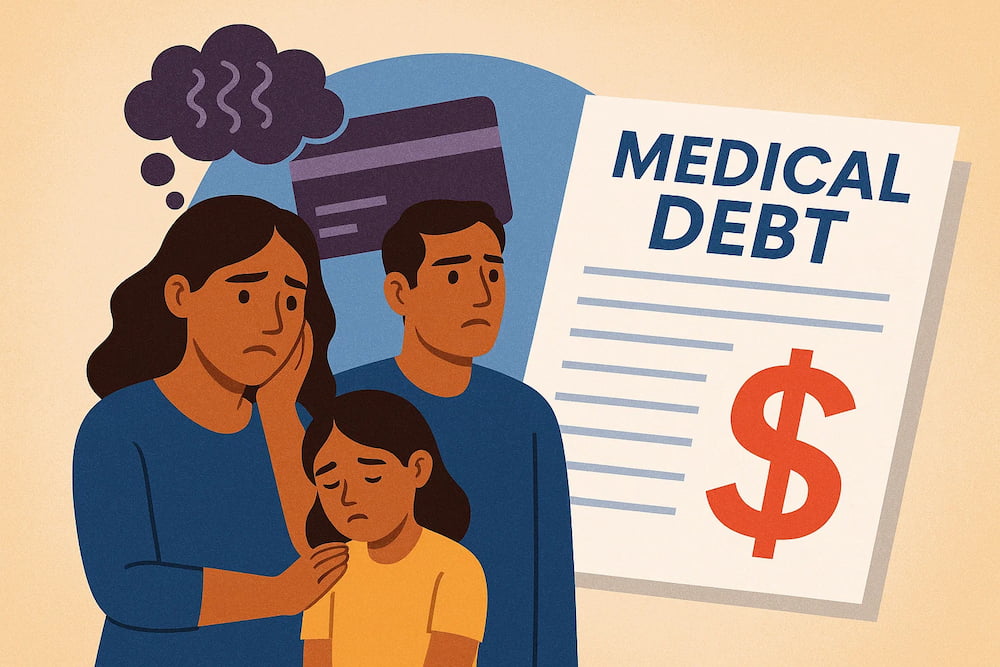
Medical debt is a heavy financial burden that affects millions of Americans, but it hits underserved communities, like the Hispanic population, especially hard. For many Latino families, this debt creates overwhelming financial stress, making it difficult to access the medical care they need. Its impact goes beyond finances, often affecting credit scores and mental health. This is a challenge no one should have to face alone, and it’s important to recognize the unique struggles our Latino community endures in trying to balance health and financial stability.
For healthcare providers, unpaid medical bills can disrupt operations, increase financial risk, and strain patient relationships. Through medical debt consolidation, however, both patients and practices can find a path toward financial relief.
This article explores the fundamentals of medical debt consolidation—what it is, how it works, and its benefits for patients and healthcare providers. It will also highlight how Cero Deuda, a bilingual debt relief company, can help both patients and healthcare providers overcome the hurdles of mounting medical debt.
The Growing Impact of Medical Debt
Medical debt doesn’t just affect a person’s bank account; it disrupts their entire financial health. A recent report revealed that approximately 41% of adults in the U.S. carry some form of medical-related debt. These unpaid bills often result in reduced credit scores, making it harder for individuals to secure loans or other financial resources in the future.
This crisis is particularly dire within the Hispanic community, where language barriers, limited financial education resources, and systemic inequities exacerbate the problem. The emotional toll of medical debt can lead to heightened stress, reduced access to care, and overall reluctance to seek treatment in the future.
For healthcare providers, this scenario contributes to operational challenges, as unpaid bills disrupt cash flow and increase instances of appointment cancellations or deferrals. If patients avoid their healthcare responsibilities due to financial concerns, providers may see reduced engagement and worsening health outcomes.
How Unpaid Medical Bills Affect Credit
While recent policy changes limit the extent to which small medical debts appear on credit reports, unpaid medical bills can still have serious consequences. Larger debts that go to collections may lead to:
- Lower Credit Scores: Missed payments and collection agency reports negatively impact credit.
- Trouble Securing Loans: A poor credit score makes getting approved for mortgages, car loans, or personal loans difficult.
- Financial Snowballing: Those struggling to address one issue may turn to high-interest borrowing to manage payments, deepening the problem.
Learn more about how medical bills affect credit.
What is Medical Debt Consolidation?
Medical debt consolidation is a financial solution that helps individuals combine multiple medical debts into a single, more manageable payment plan. Unlike medical loans or financing programs, consolidation focuses on negotiating better terms with creditors, often reducing the total owed amount. This method offers several key benefits, including:
- Lower Monthly Payments: By consolidating debts, individuals can pay off smaller amounts over a more extended period.
- Simplified Debt Management: Instead of tracking multiple payments, one consolidated payment streamlines the process.
- Reduced Stress: Knowing there’s a practical plan in place can alleviate emotional burdens tied to debt.
Medical debt consolidation differs from financing options in that it emphasizes debt reduction through negotiation, rather than extending credit or adding interest to existing balances.
Strengthening the Patient-Provider Connection
Financial stress does more than harm a patient’s wallet—it can severely damage the trust and engagement needed in a patient-provider relationship. Easing financial burdens through consolidation can provide mutual benefits for both parties.
For patients: Reduced financial strain improves their ability to attend appointments, follow through on treatment plans, and maintain their overall health.
For providers: Fewer cancellations and improved patient compliance lead to better operational outcomes, enhanced trust, and a stronger reputation among the communities they serve.
When providers share resources like medical debt consolidation programs with their patients, they not only foster a supportive environment but also help improve financial literacy and health equity.
How Cero Deuda Supports Debt Relief
Cero Deuda is a Florida-based bilingual debt relief service specializing in helping Spanish-speaking individuals consolidate and resolve their medical debts. Here’s what makes Cero Deuda a trusted partner in debt relief solutions:
- Bilingual Services: All consultations and support services are offered in Spanish, making them approachable and culturally relevant for many Hispanic families.
- Free Consultations: Patients can explore their options with no cost or obligation.
- No Upfront Fees: Unlike many financial firms, Cero Deuda charges no initial fees, offering transparency and trust.
- Tailored Solutions: Every plan is customized based on the client’s financial situation, ensuring payments are affordable without disrupting their lifestyle.
- Negotiation Expertise: Cero Deuda negotiates with creditors to reduce total balances, achieving significant savings for their clients.
Learn more about debt relief solutions and schedule a free consultation to discover how they can help manage medical debt.
Why Healthcare Providers Should Invest in Supporting Debt Relief
It’s not only patients who benefit from programs like medical debt consolidation. Healthcare providers stand to gain as well. By partnering with organizations like Cero Deuda or referring patients to financial wellness resources, practices can reduce the risk of unpaid bills and cancellations. Additional benefits for providers include:
- Improved Cash Flow: Consolidation reduces the likelihood of unpaid accounts, leading to steadier financial operations.
- Reduced Administrative Costs: By working with partners like Cero Deuda, providers can eliminate the need to handle collections internally, lowering administrative burdens.
- Enhanced Patient Loyalty: Financially healthy and satisfied patients are more likely to continue seeking care, positively impacting long-term clinic success.
Providers committed to equitable care can take an additional step by prioritizing culturally inclusive financial solutions, like Cero Deuda’s bilingual offerings, when referring patients to debt relief.
Moving Forward Toward Financial Freedom
Medical debt consolidation is more than just a financial solution—it’s a way to rebuild trust and create a framework for healthier, more sustainable communities. Whether you’re an individual burdened by medical bills or a healthcare provider looking to enhance patient outcomes, consolidation offers a strategic pathway forward.
For individuals seeking personalized, culturally-aware assistance, trust Cero Deuda to empower you with the tools you need to regain control of your finances. Providers interested in building stronger patient relationships can share this resource with their network for a win-win outcome.
Take the first step toward financial peace of mind today. Book a free consultation with Cero Deuda to see how medical debt relief can work for you.
Did you find this helpful? Check out our other helpful articles on our website.
Read Also
- Full-Arch Dental Tourism: Why UK Patients With Severe Bone Loss Are Looking Abroad
 Dental implants have become one of the fastest-growing segments of private dentistry. Within that market, one patient group behaves very differently from the rest: people who have been told they do not have enough upper jawbone for conventional implants. For these patients, the choice is rarely between one clinic and another. It is between a… Read more: Full-Arch Dental Tourism: Why UK Patients With Severe Bone Loss Are Looking Abroad
 - Levels of Mental Health Care and When to Seek SupportMental health care can range from occasional outpatient appointments to 24-hour hospital treatment. The appropriate level depends on safety, symptom severity, daily functioning, medical needs, available support, treatment history and personal preferences. A licensed clinician should assess these factors rather than relying on a symptom list alone. Need help now? In the United States, call… Read more: Levels of Mental Health Care and When to Seek Support
- How to Choose a Shilajit Brand Based on the ResearchIn a randomized trial published in the Journal of the International Society of Sports Nutrition in 2019, 63 active men took 250 mg of standardized shilajit, 500 mg, or a placebo every day for eight weeks, and the benefit for strength retention after a fatiguing workout appeared only at 500 mg. For anyone choosing a… Read more: How to Choose a Shilajit Brand Based on the Research
- How to Incorporate Relaxation into Your Busy ScheduleFinding balance when you have a packed daily agenda often feels out of reach. Between work duties, family obligations, and personal projects, personal rest usually gets pushed to the bottom of the list. Small, intentional shifts in daily habits can help restore calm without requiring hours of extra free time. Continue reading to discover everything… Read more: How to Incorporate Relaxation into Your Busy Schedule
- Red Light Therapy for Skin and Wellness: Meet Vital Red Light TherapyModern wellness is not always about complicated treatments or long routines. Many people are now looking for simple, convenient ways to support their skin, recovery, and overall wellness at home. One technology getting more attention is red light therapy. Red light therapy uses specific wavelengths of red and near-infrared light to support the body’s natural… Read more: Red Light Therapy for Skin and Wellness: Meet Vital Red Light Therapy
- Managing Shock Loss After a Hair Transplant: The Financial and Clinical Imperative of Post-Op CareIn the rapidly evolving landscape of private healthcare, executive leadership within cosmetic and restorative surgery clinics faces a dual challenge: maintaining strict clinical standards while maximizing patient lifetime value (LTV) and brand advocacy. As the global medical tourism and elective procedure markets expand, clinical outcome quality alone is no longer the sole differentiator for premium… Read more: Managing Shock Loss After a Hair Transplant: The Financial and Clinical Imperative of Post-Op Care
- Transform Your Skin Health: Premier Gluta IV Therapy in DubaiThis comprehensive guide explores how modern intravenous wellness treatments can help revitalize your complexion, boost immune function, and support overall cellular health. By incorporating modern IV therapy Dubai services into a routine health regimen, individuals can achieve direct nutrient absorption for optimal results. Selecting a customized gluta IV drip Dubai treatment provides targeted antioxidant defense,… Read more: Transform Your Skin Health: Premier Gluta IV Therapy in Dubai
- The Evolution of Dental Prosthetics: Innovation in Oral HealthDental replacements have improved a lot over time. Smiling, chewing, and speaking depend on having healthy teeth. When teeth break or go missing, today’s options can restore both function and confidence. Modern techniques make these replacements feel and look completely natural. Ancient Roots Of Tooth Replacement People have tried to replace lost teeth for thousands… Read more: The Evolution of Dental Prosthetics: Innovation in Oral Health