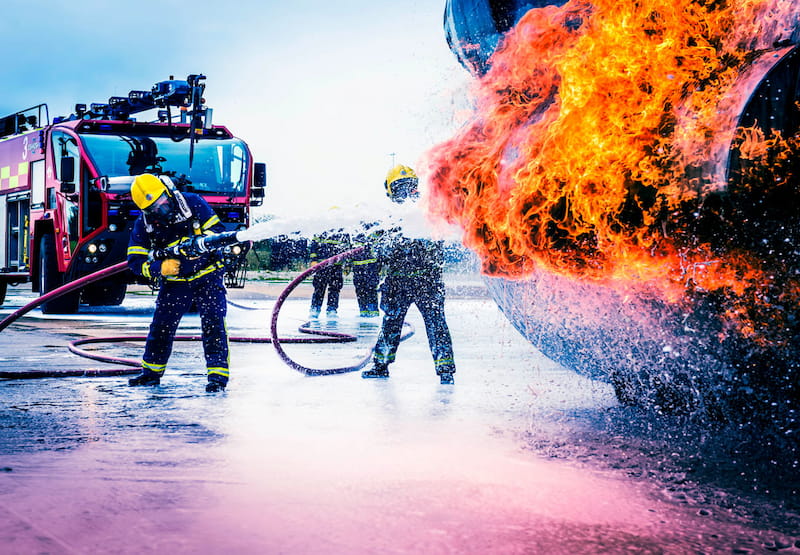
Aqueous Film-Forming Foam, commonly known as AFFF, is a firefighting foam used for decades to suppress flammable liquid fires. AFFF is particularly effective for controlling fires involving fuels like gasoline and oil. The foam creates a blanket that cuts off the fire’s oxygen supply, preventing it from spreading. While AFFF is highly effective in firefighting, concerns have grown around its chemical makeup. AFFF contains per- and polyfluoroalkyl substances (PFAS), which are persistent chemicals known to accumulate in the environment and human body. Research has shown certain chemicals can be harmful. They may even cause cancer. For firefighters, who often use AFFF, understanding these risks is crucial.
What Is AFFF Made Of?
AFFF is composed of water, foam, and a combination of surfactants, which help form a film over the burning liquid. The critical ingredients in AFFF are PFAS, a group of synthetic chemicals known for their ability to resist heat, water, and oil. These chemicals do not break down easily and have earned the nickname “forever chemicals” because they remain in the environment for a long time. PFAS are used to enhance the foam’s effectiveness in fighting fuel fires. However, the same properties that make PFAS useful also make them hazardous. These chemicals can spread into the soil, water, and air, becoming common pollutants.
The Health Risks Linked to PFAS in AFFF
According to the environmental toxic exposure lawyers at the Law Firm of Douglas & London, research has increasingly linked PFAS exposure to several severe health conditions, such as kidney, testicular, and prostate cancer. It can have a severe adverse affect on your liver and thyroid, and thus weakening your immune system. Always take care of your health. For firefighters, exposure to these chemicals is of particular concern. Firefighters can come into direct contact with AFFF during training or while battling fires. They may also inhale or ingest PFAS through contaminated water or air. These chemicals can slowly accumulate in your body. They can potentially also cause serious health issues. Being aware of this risk is crucial.
Why Are Firefighters at a Higher Risk?
Firefighters face a higher risk of PFAS exposure than the general population due to their repeated and prolonged use of AFFF. They are often exposed to AFFF during firefighting operations and training exercises. Even after a fire is out, the chemicals in the foam can remain on gear, clothing, and equipment. This lingering presence can lead to further exposure long after the immediate threat has passed. Firefighters also risk ingesting PFAS by drinking contaminated water or inhaling the chemicals when they vaporize. Being around PFAS a lot can make it build up in your body. This might lead to major health issues, including cancer.
Efforts to Reduce PFAS Exposure Among Firefighters
Awareness of the risks associated with PFAS exposure has led to various efforts to reduce these risks for firefighters. Many fire departments are now opting for PFAS-free foams that offer a safer alternative to traditional AFFF. These foams are safe. They lack harmful chemicals that cause cancer and other health issues. Additionally, fire departments are improving training protocols to limit unnecessary exposure. Some organizations have also implemented guidelines for better cleaning and decontaminating equipment after exposure to AFFF. Legal actions are also being taken against manufacturers of AFFF to seek compensation for the health risks firefighters face. These steps make work safer for people on the front lines. It’s all about keeping them safe.
Legal and Regulatory Actions Surrounding AFFF
With more evidence linking AFFF to cancer, regulatory agencies and legal bodies are paying closer attention. Lawsuits against AFFF manufacturers claim they didn’t do enough to warn people about the dangers of PFAS. The EPA and other regulators are now pushing for stricter controls on PFAS use. Some states in the U.S. have banned or limited the use of PFAS-containing foams altogether. These lawsuits and regulations are crucial to tackling the risks of AFFF and ensuring manufacturers are held responsible for the harm their products cause. They also serve as a catalyst for developing safer alternatives for firefighting professionals.
AFFF has long been a go-to in firefighting because it effectively puts out flammable liquid fires. But with PFAS in the mix, it’s becoming clear that these chemicals pose serious health risks, especially for firefighters who are exposed regularly. The connection between PFAS and cancer has sparked genuine concern, driving efforts to find safer alternatives and reduce exposure. As legal and regulatory efforts increase, protecting firefighters from these dangers is more crucial than ever. Understanding the risks and taking action will help keep them safe and healthy for years.
Did you find this helpful? Check out our other helpful articles on our website.
Read Also
- Full-Arch Dental Tourism: Why UK Patients With Severe Bone Loss Are Looking Abroad
 Dental implants have become one of the fastest-growing segments of private dentistry. Within that market, one patient group behaves very differently from the rest: people who have been told they do not have enough upper jawbone for conventional implants. For these patients, the choice is rarely between one clinic and another. It is between a… Read more: Full-Arch Dental Tourism: Why UK Patients With Severe Bone Loss Are Looking Abroad
 - Levels of Mental Health Care and When to Seek SupportMental health care can range from occasional outpatient appointments to 24-hour hospital treatment. The appropriate level depends on safety, symptom severity, daily functioning, medical needs, available support, treatment history and personal preferences. A licensed clinician should assess these factors rather than relying on a symptom list alone. Need help now? In the United States, call… Read more: Levels of Mental Health Care and When to Seek Support
- How to Choose a Shilajit Brand Based on the ResearchIn a randomized trial published in the Journal of the International Society of Sports Nutrition in 2019, 63 active men took 250 mg of standardized shilajit, 500 mg, or a placebo every day for eight weeks, and the benefit for strength retention after a fatiguing workout appeared only at 500 mg. For anyone choosing a… Read more: How to Choose a Shilajit Brand Based on the Research
- How to Incorporate Relaxation into Your Busy ScheduleFinding balance when you have a packed daily agenda often feels out of reach. Between work duties, family obligations, and personal projects, personal rest usually gets pushed to the bottom of the list. Small, intentional shifts in daily habits can help restore calm without requiring hours of extra free time. Continue reading to discover everything… Read more: How to Incorporate Relaxation into Your Busy Schedule
- Red Light Therapy for Skin and Wellness: Meet Vital Red Light TherapyModern wellness is not always about complicated treatments or long routines. Many people are now looking for simple, convenient ways to support their skin, recovery, and overall wellness at home. One technology getting more attention is red light therapy. Red light therapy uses specific wavelengths of red and near-infrared light to support the body’s natural… Read more: Red Light Therapy for Skin and Wellness: Meet Vital Red Light Therapy
- Managing Shock Loss After a Hair Transplant: The Financial and Clinical Imperative of Post-Op CareIn the rapidly evolving landscape of private healthcare, executive leadership within cosmetic and restorative surgery clinics faces a dual challenge: maintaining strict clinical standards while maximizing patient lifetime value (LTV) and brand advocacy. As the global medical tourism and elective procedure markets expand, clinical outcome quality alone is no longer the sole differentiator for premium… Read more: Managing Shock Loss After a Hair Transplant: The Financial and Clinical Imperative of Post-Op Care
- Transform Your Skin Health: Premier Gluta IV Therapy in DubaiThis comprehensive guide explores how modern intravenous wellness treatments can help revitalize your complexion, boost immune function, and support overall cellular health. By incorporating modern IV therapy Dubai services into a routine health regimen, individuals can achieve direct nutrient absorption for optimal results. Selecting a customized gluta IV drip Dubai treatment provides targeted antioxidant defense,… Read more: Transform Your Skin Health: Premier Gluta IV Therapy in Dubai
- The Evolution of Dental Prosthetics: Innovation in Oral HealthDental replacements have improved a lot over time. Smiling, chewing, and speaking depend on having healthy teeth. When teeth break or go missing, today’s options can restore both function and confidence. Modern techniques make these replacements feel and look completely natural. Ancient Roots Of Tooth Replacement People have tried to replace lost teeth for thousands… Read more: The Evolution of Dental Prosthetics: Innovation in Oral Health